How to Transplant Mackenzie's willow?
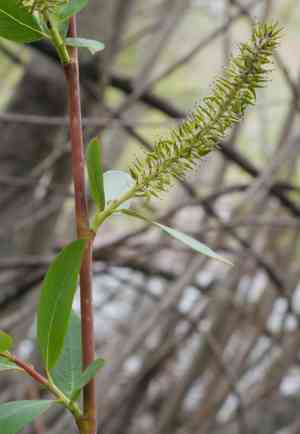
Mackenzie's willow flourishes when relocated from the beginning of spring to the end of spring or the start of summer, owing to vigorous root development. Optimal planting environments feature damp earth and protected areas receiving partial sunlight. Verify that roots remain hydrated and refrain from transplanting during periods of intense warmth.
What Preparations are Necessary Before Relocating Mackenzie's Willow?
What is the Optimal Period for Moving Mackenzie's Willow?
Mackenzie's willow should ideally be moved from early to late spring or early summer. This timing ensures the plant benefits from the post-winter thaw, increased soil moisture, and longer daylight hours, promoting healthy root establishment and growth. Relocating during these periods minimizes stress and maximizes successful adaptation in its new spot.
How Much Space Should You Provide Between Mackenzie's Willow Plants?
When relocating mackenzie's willow, ensure each plant is spaced approximately 6-10 feet (1.8-3 meters) apart. This allows ample room for development and good air circulation, which helps prevent diseases.
What is the Best Soil Mixture for Mackenzie's Willow Relocation?
Prepare a well-draining soil mix for mackenzie's willow. Incorporate compost or organic matter into the soil to improve fertility. Adding a balanced, slow-release fertilizer will give the plants a good start. Aim for soil with a pH of 5.5-7.0.
Where Should You Replant Your Mackenzie's Willow?
Choose a location for mackenzie's willow that receives full sun to partial shade. Ideally, the spot should get 6-8 hours of sunlight per day. Good sunlight ensures vigorous growth and a healthy plant.
What Equipment Should You Prepare Before Relocating Mackenzie's Willow?
Gardening Gloves
To protect your hands while working with the soil and plant.
Hand Trowel
For gently digging around the plant to help release its roots.
Shovel or Spade
To dig a new hole and to help lift the plant if itâs in the ground.
Watering Can or Hose
To water the plant before and after transplanting.
Pruning Shears
To trim any damaged or overgrown roots.
Tarpaulin or Blanket
To place under the root ball when moving the plant.
How Do You Extract Mackenzie's Willow from the Soil?
How Do You Extract Mackenzie's Willow from the Soil?
From Ground: First, water the mackenzie's willow plant to dampen the soil. Then, dig a wide trench around the plant using a shovel or spade, ensuring the plant's root ball remains intact. Carefully work the spade under the root ball to lift the plant from its original location.From Pot: Water the mackenzie's willow plant to make the soil easier to work with. Gently tip the pot to its side and tap the bottom to loosen the plant. Carefully remove the plant, supporting the root ball with your hands.From Seedling Tray: Water the mackenzie's willow seedlings to make the soil moist. Use a hand trowel to carefully lift the seedlings by scooping under the roots. Handle the seedlings gently to avoid damaging the roots.
Step-by-Step Guide for Relocating Mackenzie's Willow
Site Preparation
Prepare the new planting site by digging a hole that is twice as wide and just as deep as the mackenzie's willow's root ball. This allows the roots to spread out easily.
Plant Removal
As previously described, carefully remove the mackenzie's willow from its original location, ensuring the root ball remains intact.
Plant Placement
Place the mackenzie's willow into the new hole, making sure it sits at the same depth as it was in its original location. Fill the hole with the surrounding soil, gently firming it down to eliminate air pockets.
Watering
After placing the mackenzie's willow in its new location, water it thoroughly to help settle the soil around the roots.
Mulching
Apply a layer of mulch around the base of the mackenzie's willow to retain moisture and suppress weeds.
How Do You Care For Mackenzie's Willow After Relocation?
Watering
Keep the soil around the mackenzie's willow consistently moist, but not soggy, for the first few weeks after transplanting to help establish strong roots.
Pruning
Remove any damaged or dead branches to encourage new growth and reduce stress on the plant.
Monitoring
Regularly check the mackenzie's willow for signs of stress or disease, such as wilting or discoloration, and treat any issues promptly.
Support
If the mackenzie's willow plant is tall, consider providing a stake or other support until it is established in its new location.
Troubleshooting Common Issues with Mackenzie's Willow Relocation.
When is the best time to relocate mackenzie's willow?
Early spring to early summer is ideal for relocating mackenzie's willow.
How should I prepare the site for mackenzie's willow?
Clear weeds and enrich the soil with compost before planting.
What spacing is ideal for mackenzie's willow?
Space plants 6-10 feet (1.8-3 meters) apart to allow for growth.
How do I handle mackenzie's willow roots during relocation?
Handle roots gently and ensure they remain moist throughout the process.
What's a key tip to reduce transplant shock for mackenzie's willow?
Water mackenzie's willow thoroughly before and after transplanting to minimize shock.
How deep should I plant mackenzie's willow?
Plant mackenzie's willow at the same depth it was growing previously.
What soil type is best for mackenzie's willow?
Loamy soil with good drainage is ideal for mackenzie's willow.
How often should I water mackenzie's willow after relocation?
Water regularly but avoid waterlogging. Keep soil consistently moist.
What sunlight conditions are best for mackenzie's willow?
Mackenzie's willow thrives in full sun to partial shade.
Should I fertilize mackenzie's willow after relocation?
Wait a few weeks after transplanting before applying a balanced fertilizer.



