How to Prune Mackenzie's willow?
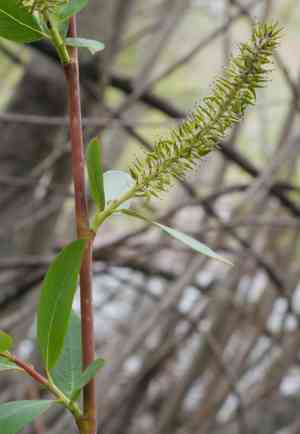
Mackenzie's willow is recognized for its hardiness and swift development. Utilize reduction cuts to eliminate congested limbs and foster air movement. Choose renewal pruning every few years to stimulate vigorous development and preserve its form. The ideal periods for pruning are late winter and early spring, coinciding with the plant's inactive phase. Appropriate pruning improves mackenzie's willow's structural soundness and visual attractiveness, guaranteeing lush foliage and expansion. Always employ sharp, sanitized implements to avert illness.
What Are the Benefits of Pruning Mackenzie's Willow?
What Are the Benefits of Pruning Mackenzie's Willow?
Trimming mackenzie's willow promotes vigorous growth by eliminating dead or overgrown branches, enhancing air circulation, and increasing light penetration. It also maintains the plant's form, ensuring a more pleasing look and fostering optimal health.
What Is the Best Time for Pruning Mackenzie's Willow?
What Is the Best Time for Pruning Mackenzie's Willow?
Trimming mackenzie's willow in early spring and late winter is ideal as these periods precede the plant's active growth phase. Pruning during these seasons encourages healthy new development and shapes the plant well before the growing season. Additionally, since mackenzie's willow is typically dormant in late winter, this minimizes stress and reduces the potential for disease or pest infestation, which benefits the plant's overall health.
What Tools Do I Need to Prune Mackenzie's Willow?
Bypass Pruners
Perfect for making clean cuts on stems and branches up to 1/2 inch in diameter, ensuring a precise cut without harming the plant.
Lopping Shears
Useful for thicker branches up to 2 inches in diameter, providing the leverage and power needed for larger cuts while minimizing damage.
Pruning Saw
Essential for cutting through larger branches over 2 inches in diameter, ensuring a clean cut that aids in quick healing.
Pole Pruner
Allows for reaching higher branches without a ladder, which is important for mature specimens of mackenzie's willow.
Hedge Shears
Useful for shaping and trimming new growth uniformly, maintaining the aesthetic quality of mackenzie's willow.
How to Prune Mackenzie's Willow
Identification
Inspect the plant for dead and diseased branches. Dead branches will typically be dry, brittle, and easy to snap, while diseased ones may show signs of discoloration, unusual growth, or fungal infections.
Cleanup
Use clean, sharp pruning shears or a saw, sterilized with a disinfectant like rubbing alcohol. This helps prevent the spread of disease from one part of the plant to another.
Positioning
On dead branches, make the cut just above a healthy bud or node, ensuring to remove the dead portion entirely. For diseased branches, cut well beyond the affected area, ideally several inches into healthy wood, to ensure all diseased tissue is removed.
Disposal
Immediately dispose of all trimmed dead and diseased branches. Do not compost them; instead, place them in sealed bags and dispose of them through municipal waste to prevent disease spread.
Assessment
After pruning, assess the overall structure of mackenzie's willow and ensure a balanced shape. Avoid over-pruning and focus on maintaining the natural growth habit of the plant.
Common Pruning Mistakes with Mackenzie's Willow
Improper Technique
Using dull or dirty tools can result in uneven cuts and infections. Additionally, cutting too close to the trunk or leaving large stubs can harm the plant.
Over-Pruning
Removing too many branches at once can stress mackenzie's willow, inhibiting its growth and making it more susceptible to diseases.
Incorrect Timing
Pruning during inappropriate times can hinder mackenzie's willow's ability to heal, exposing it to pests and diseases.
Ignoring Natural Shape
Cutting branches without considering mackenzie's willow's natural growth pattern can lead to a misshapen plant that's structurally weak and visually unappealing.
Common Pruning Tips for Mackenzie's Willow
Use Sharp, Clean Tools
Ensure your pruning shears are sharp and sterilized to make clean cuts and prevent the spread of diseases.
Follow the 3-Step Cut Method
For larger branches, use the three-step cut to prevent bark tearing. This involves an initial undercut, a second top cut to remove the branch, and a final cut close to the trunk.
Moderation is Key
Limit pruning to no more than one-third of the plant's size to avoid stressing mackenzie's willow. This ensures better recovery and growth.
Shape According to Growth
Maintaining mackenzie's willow's natural shape while pruning encourages robust growth and reduces the risk of weak branch structures.
Remove Dead or Diseased Wood
Regularly inspect mackenzie's willow and remove any dead, diseased, or damaged wood to promote healthy growth and prevent disease spread.



