How to Transplant Downy willow?
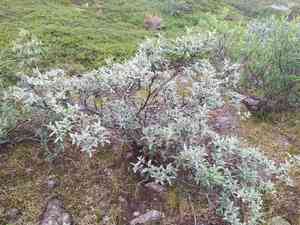
Downy willow flourishes when relocated from the end of spring to the beginning of summer, benefiting from advantageous climatic circumstances. Select a location that receives full sun or partial shade and features soil that drains effectively. Provide regular irrigation initially to aid in root establishment.
Necessary Preparations Before Relocating Downy Willow
Optimal Period for Downy Willow Relocation?
The best time for moving downy willow is from late spring through mid-summer. This timeframe allows the plant to settle in when the ground is warm and rich in nutrients. Transplanting during this season provides downy willow with more stable weather and an extended growing period, promoting strong root development and healthier overall growth.
Required Spacing Between Downy Willow Plants?
Ensure each downy willow plant is spaced approximately 3-4 feet (0.9-1.2 meters) apart to provide ample room for growth and flourishing. This prevents overcrowding and guarantees each plant receives sufficient nutrients, light, and air circulation.
Best Soil Blend for Downy Willow Relocation?
Prepare the soil by ensuring it drains well and is enriched with a balanced, all-purpose fertilizer. A slightly acidic to neutral pH is perfect for downy willow. Incorporate organic matter like compost to enhance soil fertility and structure.
Ideal New Location for Your Downy Willow?
Choose a spot for downy willow that gets at least 6 hours of full sunlight daily. While it can endure partial shade, abundant sunlight promotes more vigorous growth and a sturdier plant.
Equipment Needed Before Transplanting Downy Willow
Gardening Gloves
To safeguard your hands while handling soil and plants.
Shovel or Spade
For excavating around the plant and preparing a new hole.
Watering Can or Hose
To maintain soil moisture during the relocation process.
Pruning Shears
To trim any damaged or overgrown roots or branches.
Wheelbarrow or Bucket
For moving the plant if it is large or heavy.
Mulch
To help retain moisture and regulate soil temperature post-transplant.
How to Extract Downy Willow from the Soil?
How to Extract Downy Willow from the Soil?
From Ground: First, hydrate the downy willow plant to moisten the soil. Next, dig a wide trench around the plant using a shovel or spade, making sure the plant's root ball stays intact. Carefully work the spade beneath the root ball to lift the plant from its original spot.From Pot: Water the downy willow plant thoroughly to loosen the soil. Gently tilt the pot on its side and tap the edges to free the root ball. Slide the plant out, supporting the base of the stems to prevent damage.From Seedling Tray: Water the seedlings to make the soil easier to manage. Use a small utensil, such as a spoon, to carefully lift the seedlings out, ensuring you support the roots and avoid harming the delicate stems.
Step-by-Step Guide for Relocating Downy Willow
Site Preparation
Select an appropriate location for the downy willow plant and dig a hole that is twice as wide and the same depth as the root ball.
Soil Preparation
Ensure the soil in the new spot is well-draining and amended with organic matter if necessary.
Plant Removal
Carefully extract the downy willow plant from its initial location, following the correct method based on its current environment.
Transplanting
Place the downy willow plant in the prepared hole, ensuring it is at the same depth as it was originally. Backfill the hole with soil, gently firming it around the root ball.
Watering
Thoroughly water the newly transplanted downy willow plant to help settle the soil around the roots.
Mulching
Apply a layer of mulch around the base of the plant to retain moisture and regulate soil temperature.
Post-Transplant Care for Downy Willow
Watering
Keep the soil around the downy willow consistently moist, but not waterlogged, for the initial weeks after transplanting to aid in strong root establishment.
Monitoring
Regularly inspect the downy willow plant for indications of stress or transplant shock, such as wilting or yellowing leaves.
Pruning
Trim any damaged or overgrown branches to encourage healthy growth.
Pest Management
Watch for pests and address any issues promptly to prevent harm to the downy willow plant.
Resolving Common Issues with Downy Willow Transplantation.
When is the best time to transplant downy willow?
The ideal period to transplant downy willow is from late spring to mid-summer.
How much space should I leave between each downy willow plant?
Maintain a spacing of 3-4 feet (0.91-1.22 meters) between each downy willow plant.
How do I prepare the soil for transplanting downy willow?
Loosen the soil to a depth of 12 inches (30 cm) and incorporate organic compost.
What is the ideal hole size for downy willow transplants?
Dig a hole twice the width and the same depth as the root ball of downy willow.
Should I water downy willow before transplanting?
Yes, water downy willow thoroughly a day before transplanting to minimize transplant shock.
How can I reduce transplant shock for downy willow?
Transplant in the evening or on a cloudy day, and keep roots moist during the process.
What should I do if downy willow shows wilting after transplanting?
Water deeply and provide shade for the first few days to help downy willow recover.
Is mulching beneficial for newly transplanted downy willow?
Yes, applying 2-3 inches (5-7.5 cm) of mulch helps retain moisture and regulate soil temperature.
How soon after transplanting downy willow can I fertilize?
Wait at least 2-3 weeks post-transplant before applying a balanced fertilizer to downy willow.
What is the ideal temperature range during transplanting downy willow?
Transplant downy willow when temperatures are between 50-70°F (10-21°C) for best results.



