The Downy willow Plant Advantage: Maximizing Home and Office Appeal and Wellness
1
Downy willow aids local ecosystems by offering homes to diverse animal and plant life.
2
Given its robust characteristics, Downy willow is superb for preventing soil erosion in garden settings.
3
Downy willow improves soil quality by adding organic material as its foliage breaks down.
Why is Downy Willow a Great Addition to Your Garden?
Resilience and Adaptability
A key characteristic of Downy willow is its remarkable toughness and ability to adjust to diverse climates. This makes it an ideal selection for gardeners in areas experiencing harsh winters or difficult growing conditions. Its robust nature allows it to endure cold temperatures and still flourish, adding greenery to your garden all year.
Erosion Prevention
The root system of Downy willow is extensive and robust, making it an excellent choice for preventing soil erosion. Planting Downy willow on sloped areas or spots susceptible to erosion can help stabilize the ground and avert landslides. This makes it not only a beautiful feature in your garden but also a practical one.
How Does Downy Willow Benefit Local Wildlife?
Shelter for Birds and Insects
Downy willow plays a vital role in supporting local wildlife, especially birds and insects. Its dense foliage offers superb shelter and nesting spots for various bird species. Furthermore, the plant attracts pollinators such as bees and butterflies, which are crucial for the health of your garden's ecosystem.
Food Source
Beyond providing a habitat, Downy willow also serves as a food source for many creatures. Its buds and leaves are consumed by various insects, which in turn draw in birds and other predators. This fosters a balanced, natural ecosystem right in your own yard.
What Are the Visual Advantages of Downy Willow?
Appealing Foliage
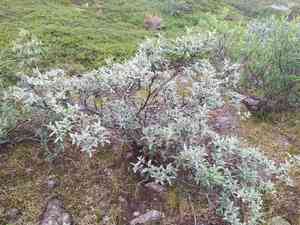
Downy willow is recognized for its soft, silver-hued leaves that bring a unique texture and visual interest to any garden. The leaves' gentle, fuzzy appearance makes them a prominent feature, creating a lovely contrast with other plants in your garden.
Seasonal Charm
Downy willow provides beauty throughout the year, transforming with the seasons. In spring, the plant displays fresh new growth with a silvery sheen, while in autumn, the leaves may adopt a more subdued hue, offering a different but equally attractive look. This seasonal change ensures your garden remains engaging and vibrant all year long.
How to Grow and Care for Downy Willow?
Planting Advice
When planting Downy willow, it's important to select a location with well-draining soil and sufficient sunlight. While the plant is adaptable, it thrives best in areas where it receives full to partial sun. Dig a hole twice the size of the plant's root ball, place the Downy willow in the hole, and backfill with soil, ensuring the roots are fully covered.
Maintenance
Downy willow requires minimal upkeep, making it an easy addition to your garden. Regular watering during dry periods will help the plant establish a strong root system. Pruning might be necessary to maintain its shape and remove any dead or damaged branches. Annual feeding with organic compost can also promote healthy growth.
Why Choose Downy Willow for Eco-Friendly Gardening?
Low Water Needs
One of the sustainable advantages of Downy willow is its minimal water requirements. Once established, the plant can flourish with very little extra watering, making it an excellent choice for water-efficient gardening. This characteristic is especially beneficial in drought-prone regions.
Soil Improvement
Downy willow significantly contributes to soil health. As its leaves decompose, they add organic matter to the soil, enhancing its fertility and structure. This natural process reduces the need for chemical fertilizers, promoting a more sustainable and environmentally friendly garden.



