How to Prune Downy willow?
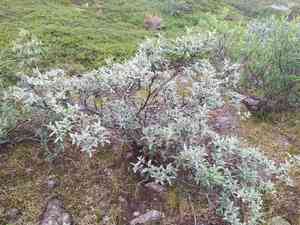
Distinguished by its velvety, pubescent foliage, downy willow greatly benefits from trimming to foster more compact development and preserve its form. The ideal period for pruning downy willow is in late winter or early spring, prior to the emergence of new shoots. Essential methods involve excising dead or compromised branches and reducing older stalks to enhance light exposure and airflow. This deliberate pruning bolsters the plant's general well-being and elevates its aesthetic appeal, rendering it crucial for sustaining an appealing outline and encouraging robust growth.
Advantages of Trimming downy willow
Advantages of Trimming downy willow
Trimming downy willow promotes vigorous development and helps maintain its desired form. Regular cutting eliminates weak branches, fostering a strong structure for improved health and visual appeal.
Optimal Period for Pruning downy willow
Optimal Period for Pruning downy willow
Pruning downy willow in late winter or early spring is best since the plant is still inactive, reducing sap loss which can be more significant during active growth. This timing also allows for robust growth during downy willow's upcoming season, as fresh wounds can heal quickly before new leaves emerge. Furthermore, trimming before the spring growth surge helps maintain plant health and shape, and it decreases the likelihood of pest infestation and disease in the fresh cuts.
Necessary Tools for Pruning downy willow
Bypass Pruners
Perfect for making clean cuts on downy willow's younger, green branches, typically under 1/2 inch in diameter. These pruners create precise cuts that encourage healthy regrowth.
Lopping Shears
Suitable for cutting through thicker branches of downy willow, up to about 1 1/2 inches in diameter. The long handles provide leverage, making pruning easier, especially for higher or deeper branches.
Pruning Saw
Essential for managing downy willow's older, thicker branches exceeding 1 1/2 inches in diameter. A pruning saw aids in making cleaner and more efficient cuts on larger branches that loppers cannot adequately handle.
Gardening Gloves
Crucial for protecting hands from potential scratches and injuries while pruning the sometimes rough and sharp branches of downy willow.
Protective Eyewear
Important for safeguarding eyes from debris, particularly when cutting branches above head level.
How to Prune downy willow
Identify
Examine downy willow for specific parts requiring pruning: carefully look for diseased leaves, withered leaves, dead branches, and diseased branches. These areas can hinder the plant's growth and health if not addressed.
Sanitize
Before making any cuts, disinfect your pruning tools using a solution of 1 part bleach to 9 parts water or alcohol wipes. This prevents the spread of disease between different parts of downy willow or to other plants.
Cutting technique
Employ proper cutting methods to remove unwanted parts. Make clean cuts at a 45-degree angle just above a healthy bud or node for leaves and stems. Ensure cuts on branches are made at the node where the branch separates from the main stem.
Disposal
Promptly discard all removed material such as diseased and withered leaves or dead branches. Do not compost these materials as they may harbor pathogens or pests that can be reintroduced into the garden.
Monitoring aftercare
After pruning, observe downy willow over the subsequent weeks for signs of stress or new disease outbreaks. Proper post-pruning care includes adequate watering and applying a balanced, slow-release fertilizer if needed to support recovery and growth.
Common Pruning Errors with downy willow
Over-pruning
Removing too much foliage from downy willow at once can significantly weaken the plant. It's crucial to limit pruning to no more than one-third of the total plant mass during a single session.
Improper cutting technique
Making cuts too close to the main stem or too far from the bud can impede proper healing and lead to disease. It's essential to make clean, angled cuts just above a bud that faces the outside of the plant.
Ignoring dead or diseased branches
Failing to remove dead or diseased wood can allow problems to spread, negatively impacting the overall health and appearance of downy willow.
Neglecting tool maintenance
Using dull or dirty pruning tools can damage branches, resulting in frayed cuts that are difficult for the plant to heal, thereby increasing susceptibility to disease.
General Pruning Advice for downy willow
Thinning out
Focus on thinning out crowded areas to enhance light penetration and air circulation within downy willow's canopy. This promotes stronger, healthier growth.
Selective pruning
Instead of shortening every branch, selectively remove entire branches back to their point of origin to maintain downy willow's natural growth pattern and appearance.
Healing promotion
After making cuts, ensure to care for downy willow by keeping it well-watered and mulched to promote healthy regrowth and healing at the cut sites.
Gradual rejuvenation
For older specimens requiring substantial shape correction or rejuvenation, spread the necessary pruning over several seasons to minimize stress and shock to downy willow.



