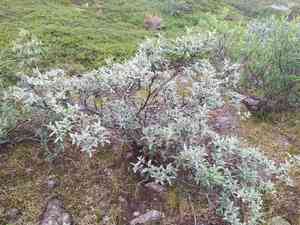
Downy willow (Salix lapponum)
Also known as: Downy Willow, Lepänniettueväpaju
Salix lapponum, known as the downy willow, is a low-growing, highly branched shrub that can reach up to 1.5 meters in height. It has a wide range across Northern Europe, extending east to the Altai and western Siberia, and reaching as far south as the Pyrenees and Bulgaria. In Scotland, this species is typically found on rocky mountain slopes and cliffs, usually at elevations ranging from 200 to 900 meters. According to Stace and BSBI, Salix lapponum is characterized by specific botanical features.
In This Article
Attributes of Downy willow
Lifespan
Perennial
Plant Type
Shrub
Plant Height
91 cm to 1.5 m
Spread
1.5 m
Leaf Color
Gray-green (upper side), Silvery-gray (under side)
Flower Size
Small, around 0.5 cm
Flower Color
Creamy white or yellowish
Images of Downy willow
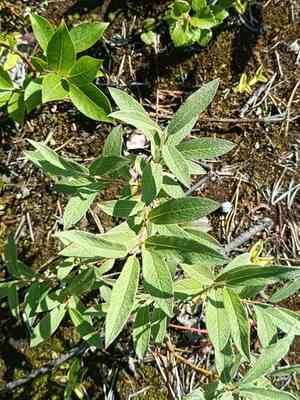
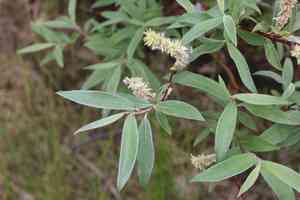
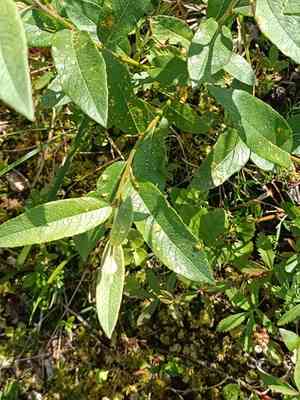

Quickly Identify Downy willow
1
Salix lapponum can be identified by its small, often shrubby growth form, densely hairy young shoots, and oval-shaped leaves that are gray-green above and silvery-gray below.
Scientific Classification of Downy willow
Phylum
Vascular plants
Class
Dicotyledons
Order
Malpighiales
Family
Willow
Genus
Willows
Species
Downy willow
Planting and Growing of Downy willow
Care Difficulty
Easy
Watering Schedule
Every 3 days
Sunlight Requirements
Partial sun
Sunshine Duration
6-10 hours
Ideal Temperature
50-68℉
Soil Type
Potting Mix, Peat Mix
Soil pH
5.5-7.5
Fertilizer Type
Balanced
Pruning Season
Spring, Summer
Pruning Area
Branches, Leaves
Pruning Frequency
2 times a year
Repotting Season
Spring
Pot Type
Plastic, Ceramic
 How to Water Downy willow?
For Salix lapponum, the watering amount per session is critical. Ideally, you should provide around 500 ml, ensuring the soil is thoroughly moistened but not soggy. The purpose is to mimic the natural wet conditions they prefer, without drowning the roots.
What are the symptoms of an underwatered Downy willow?
›
What should I do if my Downy willow is not getting enough water?
›
What are the symptoms of an overwatered Downy willow?
›
How to save an overwatered Downy willow?
›
 What Are the Sunlight Requirements for Downy willow?
Partial to full sun is ideal for Salix lapponum. Adequate sunlight encourages lush foliage and vigorous growth, supporting its natural habitat vibrancy in your landscape.
Optimal Sunlight Duration
›
Natural Habitat Mimicry
›
Seasonal Adaptations
›
 What Is the Ideal Temperature Range for Downy willow?
The ideal temperature range for Salix lapponum, commonly known as the Lapland willow, is between 50°F to 68°F. This range provides optimal conditions for healthy growth and development, reflecting the cool to mild climates in which this plant naturally thrives. When within these limits, Salix lapponum can maintain robust foliage and its characteristic silver hairs.
 What Soil is Best for Downy willow?
Salix lapponum thrives in soils that retain moisture well, ensuring consistent hydration, which is essential for its growth and foliage health. Soils with good moisture retention prevent the plant from drying out, especially during warmer periods. This plant flourishes in nutrient-rich soils, where the presence of organic matter ensures the availability of essential nutrients. These nutrients promote vigorous growth and enhance the plant's resistance to pests and diseases. Though moisture is important, Salix lapponum also requires well-aerated soils that allow excess water to drain efficiently. Proper aeration prevents root rot and allows oxygen to reach the root system, contributing to overall plant health.
 How to Fertilize Downy willow?
For Salix lapponum, use a balanced fertilizer with an equal ratio of nitrogen, phosphorus, and potassium, such as a 10-10-10 formula. Dilute the liquid fertilizer to half the recommended strength to avoid over-fertilizing.
 How to Prune Downy willow?
Pruning Salix lapponum is best done during the dormant seasons of spring, summer, and autumn. This timing minimizes stress on the plant and allows it to recover and grow more robustly. Ensure that you use sharp, clean pruning shears to make precise cuts and prevent tearing the branches, which could make the plant susceptible to diseases. Make cuts at a 45-degree angle just above a leaf bud facing outward. This allows water to run off easily and encourages outward rather than inward growth, promoting a bushier appearance.
More About Pruning Techniques→
 How to Propagate Downy willow plant?
1
In early spring, collect mature seeds from the Salix lapponum. Ensure they are dry and store them in a cool, dry place until you are ready to plant.
2
Select healthy branches for cutting. Use pruning shears to cut just below a node, ideally in the morning when the plant is hydrating naturally. Ensure cuttings are about 6-10 inches long.
3
Dip the cut end of the cutting into rooting hormone powder, then plant it in moist potting mix. Keep the soil consistently moist and wait for roots to develop over a few weeks.
 How to Repot Downy willow plant?
1
Repotting Salix lapponum is essential when you notice slow growth, roots protruding from drainage holes, or top-heavy plants. These are signs that the roots have outgrown their container, necessitating a move to a larger space.
2
Opt for a pot that is one to two inches larger in diameter than the current one. A pot with good drainage ensures water doesn't accumulate, preventing root rot and promoting healthier growth.
3
Select a well-draining loamy mix. Such soil retains adequate moisture but also allows excess water to drain away, preventing waterlogging and encouraging robust root development.



