How to Transplant Awl-leaf arrowhead?
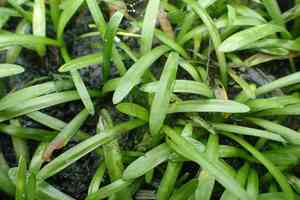
The ideal period for relocating awl-leaf arrowhead is in the summer's warmth, promoting its vigorous growth. Choose a spot that receives full sun to partial shade and has damp earth. A helpful suggestion: careful manipulation is crucial for safeguarding its fragile root system.
What Preparations are Needed Before Transplanting Awl-leaf Arrowhead?
What is the Ideal Time for Transplanting Awl-leaf Arrowhead?
The peak of the growing period, often summer, presents an excellent chance to relocate awl-leaf arrowhead. Warmer ground helps quicker establishment, allowing roots ample time to grow before colder periods. This strategic timing ensures awl-leaf arrowhead will thrive, utilizing the season's favorable conditions for robust development. Remember, transplanting early in the season permits recovery and reduces stress on awl-leaf arrowhead, leading to a lush, vibrant appearance.
How Much Space Should You Leave Between Awl-leaf Arrowhead Plants?
Ensure each awl-leaf arrowhead plant is spaced 1-2 feet (approx. 30-60 cm) apart when moving them. This spacing prevents plants from competing for resources.
What is the Best Soil Mix for Awl-leaf Arrowhead Transplanting?
For awl-leaf arrowhead, prepare a soil blend that is loamy and drains well. A foundational fertilizer should be mixed in initially, ideally a slow-release type for nutrient enrichment.
Where Should You Relocate Your Awl-leaf Arrowhead?
Move your awl-leaf arrowhead plants to an area that receives ample sunlight, though they can endure partial shade. They prefer warmth and light, so select your spot carefully!
What Equipments Should You Prepare Before Transplantation Awl-leaf Arrowhead?
Gardening Gloves
To safeguard your hands from thorns or cuts while handling soil and plants.
Hand Trowel
Useful for digging small holes and removing weeds around the plant.
Watering Can
Used to gently water plants without displacing soil.
Pruning Shears
Helpful for trimming any dead or damaged parts of awl-leaf arrowhead.
Shovel or Spade
Required to dig up the plant from its current spot or to create a new hole.
Container
To transport and protect the awl-leaf arrowhead plant during relocation.
Wheelbarrow
Beneficial for moving soil if necessary.
How Do You Remove Awl-leaf Arrowhead from the Soil?
How Do You Remove Awl-leaf Arrowhead from the Soil?
From Ground: First, moisten the soil around the awl-leaf arrowhead plant. Then, using a shovel, dig a wide trench around the plant, ensuring the root ball remains intact. Carefully work the shovel beneath the root ball to lift the plant from its original location, preserving as many roots as possible for successful transplantation.From Pot: If the awl-leaf arrowhead plant is in a pot, water it thoroughly beforehand. Gently tilt the pot on its side, then carefully slide the awl-leaf arrowhead out while keeping the root ball whole. If it doesn't slide out easily, tap the pot's base to loosen it.From Seedling Tray: First, dampen the soil to facilitate easy removal of awl-leaf arrowhead seedlings. Gently pull the seedling by a leaf, never the stem, as it is more fragile and prone to damage. Use a gardening trowel or hand fork to carefully lift the seedling from underneath.
Step-by-Step Guide for Transplanting Awl-leaf Arrowhead
Site Preparation
The new planting location should already be prepared as per prior instructions. Remove any weeds or debris that might hinder awl-leaf arrowhead's establishment.
Dig a Hole
Excavate a hole that is twice as wide and equally deep as the root ball of awl-leaf arrowhead.
Situate the Plant
Carefully place awl-leaf arrowhead in the hole, making sure the top of the root ball is even with the ground. If it's too deep, add some soil back into the hole.
Backfill the Hole
Refill the hole with soil, gently compacting it around the root ball.
Watering
Thoroughly water the plant after transplanting, taking care not to wash away the backfilled soil.
Mulching
Apply a layer of mulch around awl-leaf arrowhead to retain moisture and suppress weed growth. Leave some space around the stem to prevent waterlogging.
How Do You Care For Awl-leaf Arrowhead After Transplanting?
Watering
For the initial weeks post-transplant, keep the soil around awl-leaf arrowhead consistently moist but not saturated, to aid in strong root development.
Pruning
Trim any weak or diseased branches observed during inspection. This allows the awl-leaf arrowhead plant to direct its energy towards new growth.
Monitoring
Closely observe awl-leaf arrowhead after relocation. It may take time for the plant to adapt to its new surroundings. Watch for wilting, yellowing, or other signs of transplant shock. Gentle care can accelerate recovery.
Troubleshooting Common Issues with Awl-leaf Arrowhead Transplantation.
What is the best time to transplant awl-leaf arrowhead plant?
Ideally, aim to transplant awl-leaf arrowhead between stages 4 and 6 of its life cycle, as these are optimal growth phases for the plant.
How far apart should I space awl-leaf arrowhead when planting?
Each awl-leaf arrowhead should be planted approximately 1-2 feet (30-60 cm) apart, ensuring sufficient room for growth and spread.
When is the right time to water awl-leaf arrowhead after transplanting?
Water awl-leaf arrowhead immediately after transplanting. Continue regular watering, keeping the soil moist but not waterlogged to support root establishment.
What type of soil should I use for transplanting awl-leaf arrowhead?
Awl-leaf arrowhead thrives in well-drained, slightly acidic soils with a good blend of sand, silt, and clay. No specific soil type, maintain an ideal pH between 6.1 to 7.8.
How much sunlight does awl-leaf arrowhead need after transplanting?
Awl-leaf arrowhead should receive at least 6 hours of sunlight daily. However, placing it in a spot with partial shade during hotter months can prevent the plant from drying out.
What should I do if awl-leaf arrowhead wilts after transplanting?
Wilting typically indicates transplant shock. Keep the soil moist, ensure adequate sunlight, and avoid over-watering. The plant should recover within a week or two.
Should I use a fertilizer when transplanting awl-leaf arrowhead?
Yes, incorporating a slow-release fertilizer into the planting hole will nourish awl-leaf arrowhead as it establishes. Choose one rich in phosphorus to promote root development.
What should I do if awl-leaf arrowhead leaves turn yellow or brown?
Yellow or brown leaves can signal overwatering, underwatering, or nutrient deficiency. Adjust watering as needed and apply a balanced plant fertilizer.
How do I ensure awl-leaf arrowhead's root ball is properly settled during transplant?
Ensure the root ball is level with the ground surface when planting. Gently tamp down the soil around the plant and water thoroughly to settle it.
What steps can I take if awl-leaf arrowhead is not growing after transplant?
Ensure awl-leaf arrowhead receives sufficient sunlight and water, that your soil nutrient conditions are appropriate, and there is adequate spacing from other plants. If conditions are correct, consider consulting a local nursery or arborist.



