How to Propagate Awl-leaf arrowhead?
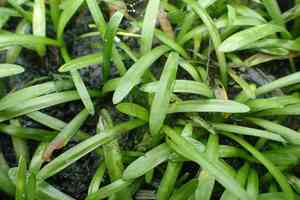
Sagittaria subulata, typically found in watery habitats, thrives when propagated by seeding. Collect seeds from fully developed specimens. Set up a shallow receptacle filled with water and fertile substrate, then gently scatter the seeds on the surface. Ensure steady water levels and sufficient illumination to foster sprouting and development. Given proper attention, the young plants will flourish, developing robust root structures suitable for relocation.
Optimal Period for Awl-leaf Arrowhead Propagation
Propagation Method
Seeding
Propagation Period
Spring
Tools Required for Awl-leaf Arrowhead Propagation
Seed Trays
Seed trays offer a regulated setting for planting awl-leaf arrowhead seeds. They assist in maintaining appropriate moisture levels and provide ample room for root expansion, ensuring robust and healthy seedling development.
Seedling Heat Mat
A seedling heat mat helps sustain an ideal temperature for seed sprouting. For awl-leaf arrowhead, consistent warmth accelerates germination and promotes vigorous growth during initial developmental phases.
Mist Spray Bottle
Employing a mist spray bottle ensures seeds remain damp without becoming waterlogged. This is particularly advantageous for awl-leaf arrowhead as it aids in preserving the delicate moisture equilibrium necessary for successful germination.
Fine Grained Vermiculite
Fine-grained vermiculite is utilized to lightly cover seeds after planting. It holds moisture and offers insulation, fostering a favorable micro-environment for the emergence of awl-leaf arrowhead seedlings.
Humidity Dome
A humidity dome is crucial for retaining moisture and sustaining high humidity levels around the seeds. This environment is perfect for the successful propagation of awl-leaf arrowhead, preventing the seeds from drying out during germination.
Plant Tags/Labels
Plant tags or labels assist in tracking various plant species being propagated. Labeling awl-leaf arrowhead guarantees clear and organized identification, especially when propagating multiple varieties.
Soil Thermometer
A soil thermometer helps monitor the temperature of the growing medium. For awl-leaf arrowhead, maintaining the correct soil temperature is vital for consistent germination and seedling growth.
Sterilized Soil Mix
Using a sterilized soil mix reduces the risk of disease and pest infestation. For awl-leaf arrowhead, a clean and sterile environment is essential to ensure healthy seedling development without unwanted pathogens.
How to Propagate Awl-leaf Arrowhead?
Propagation Type
Simple
Caring for Your Newly Propagated Awl-leaf Arrowhead
Caring for Your Newly Propagated Awl-leaf Arrowhead
Post-transplant, ensure awl-leaf arrowhead is situated in a spot with shallow, gently flowing water and partial sunlight. Monitor water quality to prevent algae accumulation, and provide regular organic matter or specialized aquatic plant fertilizers to encourage robust growth. Periodically check for pests and remove any unhealthy foliage to promote vigorous development.
Common Errors to Avoid When Propagating Awl-leaf Arrowhead
Incorrect Water Conditions
Excessive or insufficient watering can lead to root decay or a stressed plant, respectively.
Insufficient Light
Inadequate illumination can hinder growth and result in weak, elongated plants.
Improper Soil Composition
Using soil that is too sandy or too clay-rich can impede root development and nutrient absorption.
Incorrect Planting Depth
Burying rhizomes too deeply may prevent shoots from emerging, while planting them too shallow can expose them to drying out.
Overcrowding
Planting too many together can lead to competition for nutrients and light, inhibiting the growth of individual plants.
Tips For Propagating Awl-leaf Arrowhead
Optimal Watering
Maintain consistently moist but not waterlogged soil to promote healthy root and shoot development.
Adequate Lighting
Ensure the plants receive bright, indirect sunlight to foster robust growth.
Appropriate Soil Mix
Use a well-draining soil mix that retains moisture while allowing excess water to flow away.
Correct Planting Depth
Place the rhizomes just below the soil surface, ensuring the growth tips are close to the topsoil.
Spacious Planting
Space the plants adequately to avoid overcrowding, allowing each one sufficient room to grow and access nutrients.



