Awl-leaf arrowhead (Sagittaria subulata)
Also known as: Dwarf arrowhead, Narrow-leaved arrowhead
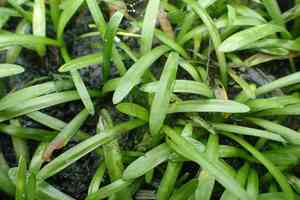
Sagittaria subulata is a perennial herb that can reach up to 40 centimeters in height. Its leaves, which can be submerged or floating, range from narrowly linear to ovate in shape and are not lobed. The plant's inflorescence tends to float on the water's surface.
In This Article
Attributes of Awl-leaf arrowhead
Lifespan
Perennial
Plant Type
Herb
Plant Height
10-20 cm
Spread
Spreads out to form a carpet-like layer, typically up to 30 cm wide
Leaf Color
Green
Flower Size
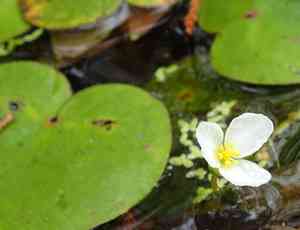
Approximately 1-2 cm
Flower Color
White
Images of Awl-leaf arrowhead
Quickly Identify Awl-leaf arrowhead
1
It can be identified by its narrow, grass-like leaves that are typically up to 20 cm in length and 2-5 mm wide. The leaves grow in a rosette pattern from a central point and often have slightly curved tips.
Scientific Classification of Awl-leaf arrowhead
Phylum
Vascular plants
Class
Monocotyledons
Order
Alismatales
Family
Water-plantain
Genus
Arrowheads
Species
Awl-leaf arrowhead
Planting and Growing of Awl-leaf arrowhead
Care Difficulty
Easy
Watering Schedule
Every 3 days
Sunlight Requirements
Partial sun
Sunshine Duration
6-10 hours
Ideal Temperature
68-77℉
Soil Type
Potting Mix, Peat Mix
Soil pH
6.5-7.5
Fertilizer Type
Balanced
Pruning Season
Spring, Summer
Pruning Area
Branches, Leaves
Pruning Frequency
2 times a year
Repotting Season
Spring
Pot Type
Plastic, Ceramic
 How to Water Awl-leaf arrowhead?
For Sagittaria subulata, it's essential to water about 250 ml each time, ensuring the soil remains consistently moist but not waterlogged. Maintain even moisture levels, akin to a damp sponge.
What are the symptoms of an underwatered Awl-leaf arrowhead?
›
What should I do if my Awl-leaf arrowhead is not getting enough water?
›
What are the symptoms of an overwatered Awl-leaf arrowhead?
›
How to save an overwatered Awl-leaf arrowhead?
›
 What Are the Sunlight Requirements for Awl-leaf arrowhead?
Partial sun exposure, receiving 4-6 hours of filtered light, ensures robust foliage health, optimal photosynthesis, and vibrant growth patterns characteristic of Sagittaria subulata.
What type of light does Sagittaria subulata prefer?
›
How to achieve ideal lighting for Sagittaria subulata?
›
What are the benefits of ideal lighting conditions?
›
 What Is the Ideal Temperature Range for Awl-leaf arrowhead?
The ideal temperature range for Sagittaria subulata is between 68°F and 77°F. This range ensures optimal growth and health by maintaining a stable environment that mimics its natural habitat. Maintaining this range promotes vigorous leaf growth and vibrant coloring, essential for the plant’s survival and aesthetics.
 What Soil is Best for Awl-leaf arrowhead?
Sagittaria subulata thrives in soils that can retain moisture but still provide good drainage. Such conditions prevent root rot while keeping the plant hydrated, leading to healthy foliage growth. This plant prefers soils supplemented with organic matter like compost. Rich nutrients support its vigorous growth and vibrant leaf coloration, making it a striking element in aquatic plant arrangements. Adequate oxygen levels in the soil are critical for Sagittaria subulata, as it ensures efficient root function and prevents the growth of anaerobic bacteria, which can be detrimental to plant health.
 How to Fertilize Awl-leaf arrowhead?
For Sagittaria subulata, fertilizer needs to be used in moderation. Use a balanced liquid fertilizer with a concentration of 10-10-10 NPK, applying 5ml per liter of water during each session. For solid slower-release options, choose a granular formula that releases nutrients over time, approximately 5 grams per plant.
 How to Prune Awl-leaf arrowhead?
Begin by identifying the older, yellowing, or damaged leaves from the base of the Sagittaria subulata. Using sharp, clean scissors or pruning shears, carefully cut these leaves back to the plant's base or just above the crown, ensuring you do not damage any new, healthy growth. This will promote a tidy appearance and focus energy on fresh, vigorous foliage. If the plant begins to grow too tall or wide for your space, you can trim the longer leaves to maintain the desired shape. Cut the leaves just above water level to prevent them from overshadowing other aquatic plants. This not only keeps the plant in proportion but also encourages a fuller, bushier growth pattern.
More About Pruning Techniques→
 How to Propagate Awl-leaf arrowhead plant?
1
To begin seed propagation, first obtain healthy seeds of Sagittaria subulata. Soak them in water for 24 hours to soften their outer shell, improving germination rates.
2
For division propagation, carefully dig up the plant to expose the rhizomes. Use a sharp knife to separate sections, making sure each section has a shoot or bud for successful growth.
3
Place the seeds or divided sections into suitable soil or potting mix. Ensure they are spaced properly to avoid overcrowding, which can hinder growth. Keep the soil consistently moist but not waterlogged.
 How to Repot Awl-leaf arrowhead plant?
1
Sagittaria subulata shows it's time for repotting when its roots start to outgrow the pot or when growth seems stunted despite proper care. Yellowing leaves and compacted soil are also signals. Ideally, repot in spring or summer when the plant is in its active growth phase to help minimize stress and encourage better adaptation.
2
Choose a pot that's slightly larger than the current one, perhaps one or two inches wider in diameter. A shallow pot is preferable as it duplicates the plant's natural conditions. Proper drainage is a must-have feature to prevent water-logged roots, promoting a healthy root environment and preventing root rot.
3
Selecting the right soil is vital. Opt for an aquatic plant substrate rich in nutrients that retain moisture while still allowing free water movement. Such soil supports Sagittaria subulata's growth by providing a close approximation of its natural marshy environment, encouraging vigorous growth and development.



