How to Prune Awl-leaf arrowhead?
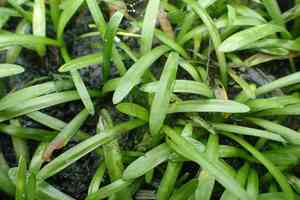
Sagittaria subulata, characterized by its arrow-like foliage, flourishes in watery habitats. Trimming is recommended during spring and summer to foster robust development. Periodically eliminate withered or discolored leaves to deter decomposition. Cut back overly dense growth to preserve its form and manage its dimensions. This practice improves air movement and prevents excessive density. Employ sanitized, keen implements to avert harm to the plant. Regular trimming boosts the aesthetic appeal of Sagittaria subulata and sustains its energetic growth throughout the cultivation period.
What Are the Benefits of Pruning Awl-leaf Arrowhead?
What Are the Benefits of Pruning Awl-leaf Arrowhead?
Pruning awl-leaf arrowhead encourages robust growth and helps maintain an appealing form. Regular trimming manages its size, prevents crowding, and allows the plant to direct energy efficiently, leading to a healthier and more attractive look.
What Is the Best Time for Pruning Awl-leaf Arrowhead?
What Is the Best Time for Pruning Awl-leaf Arrowhead?
Spring and Summer are ideal for pruning awl-leaf arrowhead as this period coincides with its active growth. During this phase, awl-leaf arrowhead recovers faster from cuts, promoting healthier and more vigorous development. Additionally, avoiding pruning in late fall and winter helps prevent frost damage to trimmed areas. Pruning at this time also avoids disrupting potential flowering or fruiting, ensuring the plant retains its beauty and reproductive functions.
What Tools Do I Need to Prune Awl-leaf Arrowhead?
Hand Pruners
Perfect for precise cuts on smaller stems and leaves, ensuring awl-leaf arrowhead's optimal look and health.
Aquatic Plant Scissors
Specifically designed for underwater use, enabling clean and efficient trimming of submerged parts of awl-leaf arrowhead.
Long-handled Shears
Useful for reaching and trimming taller growths without harming other parts of awl-leaf arrowhead, maintaining overall shape and structure.
How to Prune Awl-leaf Arrowhead
Prepare tools
Ensure your pruning shears are clean and sharp to prevent disease transmission.
Identify parts
Inspect awl-leaf arrowhead for any diseased leaves, withered foliage, or unhealthy stems that require removal.
Prune diseased leaves
Carefully remove diseased leaves at their base, taking care not to damage healthy sections.
Prune withered leaves
Cut back withered leaves to their base to stimulate new, healthy growth.
Prune diseased stems
Remove any diseased stems by cutting them back to healthy tissue, ensuring no infected material remains.
Common Pruning Mistakes with Awl-leaf Arrowhead
Incorrect Technique
Many gardeners, especially beginners, use the wrong tools or improper cutting angles, resulting in jagged cuts that can cause stress and encourage disease.
Over-pruning
Another frequent error is removing too much foliage. This can weaken awl-leaf arrowhead, reducing its ability to photosynthesize and recover.
Timing Errors
Pruning at the wrong time can disrupt awl-leaf arrowhead's growth cycle and potentially hinder its development.
Neglecting to Clean Tools
Dirty or dull tools can lead to infections and spread diseases to awl-leaf arrowhead.
Ignoring Plant Shape
Some gardeners prune without considering the plant's natural form, leading to an unattractive appearance and unbalanced growth.
Common Pruning Tips for Awl-leaf Arrowhead
Use Sharp and Clean Tools
Always use sharp, clean pruning shears for precise cuts and to minimize the risk of disease transmission to awl-leaf arrowhead.
Prune Gently
Remove only damaged, diseased, or dead leaves to avoid unnecessarily stressing awl-leaf arrowhead. Less is often more when pruning.
Follow Natural Shape
Prune according to awl-leaf arrowheadâs natural form to preserve its aesthetic appeal and structural integrity.
Sanitize Between Cuts
Disinfect your tools between cuts to prevent the spread of any potential pathogens.
Regular Inspections
Conduct frequent checks to identify parts of awl-leaf arrowhead that may need pruning due to damage or disease, keeping the plant healthy and vibrant.



