How to Transplant Pale dock?
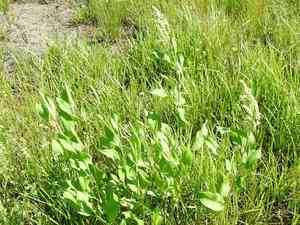
Pale dock flourishes when relocated from early to late spring or during late autumn. Select a location that receives full sun or partial shade, featuring soil that drains effectively. Provide a consistent setting for the root system to become established. Enjoy your gardening!
Essential Preparations Before Relocating Pale Dock?
Optimal Period for Transplanting Pale Dock?
Move pale dock during early to late spring or late autumn. These periods provide excellent soil conditions, moderate temperatures, and sufficient moisture, aiding root development. Relocating pale dock at these times boosts growth potential and minimizes transplant shock. These seasons ensure the plant adapts smoothly to its new setting, maximizing health and longevity.
Recommended Spacing Between Pale Dock Plants?
When relocating pale dock, ensure plants are spaced 12-18 inches (30-45 cm) apart. This provides ample room for growth and promotes good air circulation. Marking the spacing on the ground beforehand can improve accuracy.
Ideal Soil Mixture for Pale Dock Transplantation?
For optimal outcomes, prepare a well-draining loamy soil for pale dock. Incorporate compost or aged manure to enrich the soil. Adding a balanced fertilizer, such as a 10-10-10, can also stimulate initial growth. Mix thoroughly to ensure even nutrient distribution.
Selecting a New Location for Your Pale Dock?
Pale dock thrives in full sun to partial shade. Choose a spot that receives at least 6 hours of sunlight daily. If possible, observe the area for a few days prior to note the sunlight pattern and confirm its suitability for pale dock's requirements.
Tools Required Before Transplanting Pale Dock?
Gardening Gloves
To safeguard your hands while handling soil and plants.
Shovel or Spade
For excavating around the plant and preparing the new planting site.
Garden Fork
To loosen the soil surrounding the roots.
Watering Can or Hose
To maintain soil moisture during and after relocation.
Garden Trowel
Useful for minor adjustments and precise digging tasks.
Wheelbarrow or Plant Container
For moving the plant to its new position.
Mulch
To assist in retaining moisture post-planting.
Stakes and Garden Ties
To offer support for the plant if necessary.
How to Extract Pale Dock from the Soil?
How to Extract Pale Dock from the Soil?
From Ground: First, hydrate the pale dock plant to moisten the soil. Then, excavate a wide trench around the plant using a shovel or spade, ensuring the plant's root ball remains intact. Carefully work the spade beneath the root ball to lift the plant from its original spot.From Pot: Thoroughly water the pale dock plant before removal. Gently tap the pot's sides to loosen the soil. Carefully slide the plant out while supporting the base and root ball with your hand.From Seedling Tray: Water the seedlings well. Use a garden trowel or spoon to gently lift the seedlings from the tray, ensuring soil remains around the roots. Handle seedlings by their leaves, as stems are easily damaged.
Detailed Steps for Transplanting Pale Dock
Prepare the Location
Clear the chosen area of weeds and debris. Dig a hole twice as wide and the same depth as the pale dock plant's root ball.
Inspect Root Ball
Examine the root ball for any damaged or circling roots and trim as needed.
Position the Plant
Place the pale dock plant in the center of the new hole. Ensure the top of the root ball is level with the surrounding soil.
Backfill Soil
Gradually fill the hole with soil, gently pressing down to remove air pockets. Be careful not to over-compact the soil.
Water Thoroughly
Generously water the pale dock plant to settle the soil and aid root establishment.
Apply Mulch
Add a layer of mulch around the plant's base to conserve moisture and suppress weeds.
Provide Support If Needed
If the pale dock plant is tall or unstable, offer support using stakes and garden ties.
Post-Transplantation Care for Pale Dock
Watering
Keep the soil around the pale dock consistently moist, but not waterlogged, for the initial weeks after transplanting to help establish strong roots.
Mulching
Replenish mulch as necessary to maintain soil moisture and regulate soil temperature.
Monitoring
Regularly check the pale dock for signs of stress such as wilting or leaf discoloration and adjust watering practices accordingly.
Protection
Shield the pale dock from extreme weather conditions by providing shade during hot days and covering during frost.
Addressing Common Issues with Pale Dock Transplantation.
When is the best time to transplant pale dock?
The optimal period to transplant pale dock is from early to late spring, or late autumn.
How should I space pale dock when transplanting?
Space pale dock plants 12-18 inches (30-45 cm) apart for ideal growth and air circulation.
What soil type is best for pale dock?
Pale dock thrives in well-draining soil with a neutral to slightly acidic pH.
How deep should I plant the pale dock roots?
Plant pale dock roots at the same depth they were in their original location.
Do pale dock plants need fertilization after transplanting?
Yes, applying a balanced fertilizer can help pale dock plants establish well after transplanting.
How often should I water pale dock after transplanting?
Water pale dock regularly to keep the soil moist but not waterlogged until established.
What should I do if pale dock leaves wilt after transplanting?
Wilted leaves can indicate stress. Ensure adequate watering and shade if necessary.
Can I transplant pale dock on a hot day?
It's best to avoid transplanting pale dock on hot days to prevent transplant shock.
Should I prune pale dock before transplanting?
Pruning damaged or overgrown parts of pale dock can help reduce stress and promote new growth.
Is mulching necessary after transplanting pale dock?
Mulching around pale dock helps retain moisture and suppress weeds. Use organic mulch for best results.



