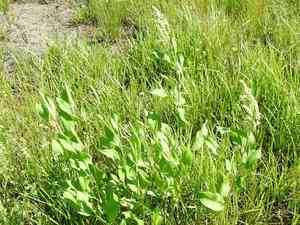
Pale dock (Rumex altissimus)
Also known as: Smooth dock
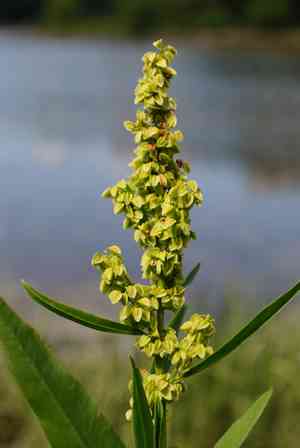
Pale dock, characterized by its tall, slender stems and broad, lance-shaped leaves forming basal rosettes, is well-adapted to environments like meadowlands and riverbanks. The plant's small green to reddish-brown flowers grow in dense clusters. Key to its seed dispersal are the winged seeds, which catch the wind easily, allowing the plant to spread widely.
In This Article
Attributes of Pale dock
Lifespan
Perennial
Plant Type
Herb
Plant Height
61 cm to 1.2 m
Spread
0.5-1 meter
Leaf Color
Green
Flower Size
Small, less than 1 cm
Flower Color
Greenish to reddish-brown
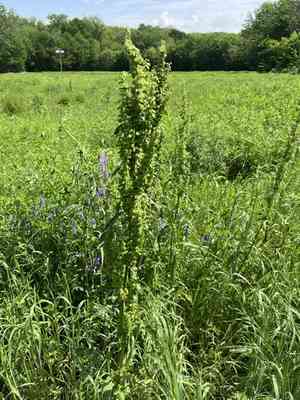
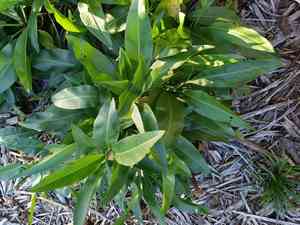
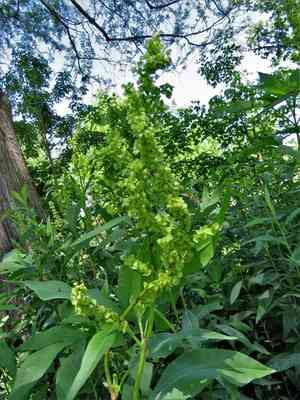
Images of Pale dock
Quickly Identify Pale dock
1
Rumex altissimus can be identified by its tall, erect stems that can reach up to 2 meters in height, along with its large, lance-shaped leaves with wavy margins. The flowers are arranged in dense clusters and change color from green to reddish-brown as they mature.
Scientific Classification of Pale dock
Phylum
Vascular plants
Class
Dicotyledons
Order
Caryophyllales
Family
Buckwheat
Genus
Docks
Species
Pale dock
Planting and Growing of Pale dock
Care Difficulty
Easy
Watering Schedule
Every 2 days
Sunlight Requirements
Full sun
Sunshine Duration
6-8 hours
Ideal Temperature
65-75℉
Soil Type
Potting Mix, Peat Mix
Soil pH
6.5-7.5
Fertilizer Type
Balanced
Pruning Season
Spring, Summer
Pruning Area
Branches, Leaves
Pruning Frequency
2 times a year
Repotting Season
Spring
Pot Type
Plastic, Ceramic
 How to Water Pale dock?
The Rumex altissimus requires a watering amount that keeps the soil consistently moist without making it soggy. Aim for approximately 500 ml of water per session, ensuring the top inch of soil is moist but not waterlogged. This helps maintain the plant's growth vigor and prevents root issues.
What are the symptoms of an underwatered Pale dock?
›
What should I do if my Pale dock is not getting enough water?
›
What are the symptoms of an overwatered Pale dock?
›
How to save an overwatered Pale dock?
›
 What Are the Sunlight Requirements for Pale dock?
Rumex altissimus benefits from partial to full sunlight. Ideal light encourages robust growth and vibrant foliage. Proper sunlight exposure is essential for photosynthetic activities, crucial for overall plant health and resilience against stress.
What is the ideal amount of sunlight Rumex altissimus needs?
›
How can I provide ideal lighting for Rumex altissimus?
›
What are the benefits of providing ideal light for Rumex altissimus?
›
 What Is the Ideal Temperature Range for Pale dock?
Maintaining Rumex altissimus within its ideal temperature range of 65 to 75°F ensures optimal growth and health. This temperature range supports efficient photosynthesis and metabolic activities, maximizing the plant's potential to thrive and flourish.
 What Soil is Best for Pale dock?
Rumex altissimus thrives in nutrient-rich loam, which supports its growth and enhances leaf color vibrancy. This fertile soil supplies essential nutrients, promoting robust plant health and resilience. The plant prefers well-draining soils that prevent waterlogging, aiding in the prevention of root rot. Adequate drainage ensures air circulation around the roots, vital for healthy plant development. Maintaining consistent moisture levels in the soil is key for optimal growth. Loam and sandy soils with good moisture retention help keep the soil neither too wet nor too dry, ensuring steady plant growth.
 How to Fertilize Pale dock?
For Rumex altissimus, it is important to provide a balanced fertilizer application. Use a water-soluble fertilizer diluted to half the recommended strength, applying it during the growing season. A typical application rate can be around 20-30 milliliters per plant, ensuring not to exceed this, as it could harm the plant.
 How to Prune Pale dock?
To prune Rumex altissimus effectively, begin by identifying any dead or damaged leaves and stems. Using clean, sharp pruning shears, carefully trim these parts away to prevent any potential disease from spreading. Focus on encouraging the plant's natural shape by avoiding excessive cutting. For shaping, trim back any overly tall or unruly stems. This will keep the plant aesthetically pleasing and prevent it from overtaking neighboring plants. Aim to cut just above a node to promote new growth and maintain its bushy appearance.
More About Pruning Techniques→
 How to Propagate Pale dock plant?
1
Start by preparing a well-draining soil mix. Use a blend of potting soil, sand, and compost to provide the right nutrients and structure for the seeds or divisions to take root effectively.
2
When propagating from seeds, sow them thinly in the seed tray. Cover them lightly with soil, and water gently to avoid displacing the seeds. Keep the tray in a warm, bright location but out of direct sunlight.
3
To propagate by division, select a mature plant with several stems. Carefully remove it from the ground and gently separate the roots into smaller sections, ensuring each new section has roots attached. Replant immediately in prepared soil.
 How to Repot Pale dock plant?
1
Repotting Rumex altissimus is necessary when the roots begin to protrude from the pot's drainage holes or the soil becomes compacted, reducing water retention. Spring is the ideal time, as the plant is in its active growth phase, enhancing root establishment in the new soil environment.
2
Select a pot that is 2-3 inches larger in diameter than the current one to provide adequate space for root expansion. Ensure the pot has ample drainage holes to prevent waterlogging. A breathable material like terracotta will help maintain a proper aeration balance, benefiting root health.
3
Opt for a loamy, well-draining soil to support Rumex altissimus's growth. This type of soil retains sufficient moisture while allowing excess water to escape, preventing root rot. Incorporating organic matter can further enhance nutrient availability, promoting robust growth.
Toxicity
Ingestion
WARNING
The judgment on toxicity and danger is for reference only. We DO NOT GUARANTEE any accuracy of such judgment. Therefore, you SHALL NOT rely on such judgment. It is IMPORTANT TO SEEK PROFESSIONAL ADVICE in advance when necessary.
Learn More About Pale dock Diseases
Anthracnose
Bacterial Leaf Spot
Bacterial Soft Rot
Bacterial Wilt
Chemical Injury
Cyst Nematode
Damping-off
Downy Mildew
Drought Stress
Fusarium Wilt
Gray Mold
Leaf Spot
Mosaic
Nutrient Deficiency
Nutrient Toxicity
Powdery Mildew
Root Rot
Root-knot Nematode
Rusts
Sooty Mold
Spider Mites
Temperature Stress
Thrips Damage
White Mold



