How to Prune Pale dock?
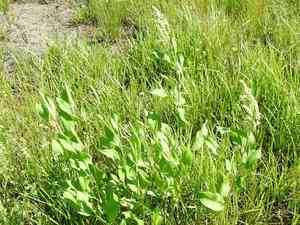
This towering perennial herb flourishes in moist environments and displays elongated foliage and greenish-pink blossoms. Effective trimming of pale dock entails severing the flower stems after flowering in late summer to inhibit self-propagation, and eliminating deceased or compromised leaves in early spring to stimulate fresh development. Consistent trimming during these ideal times improves the plant's vitality and aesthetic appeal, while managing its expansion in cultivated areas. Trimming additionally fosters denser, more vigorous growth in subsequent periods.
What Are the Benefits of Pruning Pale Dock?
What Are the Benefits of Pruning Pale Dock?
Trimming pale dock promotes robust development and maintains its form, preventing it from overshadowing nearby smaller plants. Strategic cuts aid in revitalization and direct resources for improved health.
What Is the Best Time for Pruning Pale Dock?
What Is the Best Time for Pruning Pale Dock?
Pruning pale dock in spring is optimal as it marks the start of its growth cycle, enabling the plant to channel energy into producing new, healthy growth after removing old or dead tissues. This timing also prepares pale dock for vigorous summer growth. Summer pruning is effective for cutting back any excessive growth or irregularities that emerge during the early growing season, enhancing air circulation and light penetration within the plant. This helps maintain plant health and prevents disease, aligning with pale dock's natural growth and reproductive cycles.
What Tools Do I Need to Prune Pale Dock?
Hand Pruners
Perfect for cutting stems and small branches of pale dock. They provide clean cuts without harming plant tissues, encouraging healthy regrowth.
Shears
Useful for shaping and trimming pale dock's foliage to maintain a desired look and manage its spread.
Garden Knives
Helpful for removing any dead or diseased parts of pale dock, ensuring precise cuts close to the stem base, which is vital for the plant's well-being.
How to Prune Pale Dock
Identify
Carefully examine pale dock to pinpoint diseased or withered leaves, as well as any affected stems. These parts typically appear discolored, wilted, or show signs of fungal infection or pest damage.
Prepare
Ready your pruning tools. Use sharp, clean shears or scissors. Disinfect them before and after use to prevent disease transmission to healthy parts of pale dock.
Remove leaves
Gently remove diseased and withered leaves from pale dock. Cut close to the leaf's base where it connects to the stem or from the nearest connecting branch, being careful not to harm the stem or adjacent healthy leaves.
Remove stems
Prune out diseased stems of pale dock by cutting at the base or back to the closest healthy part of the stem. Ensure cuts are clean and angled to prevent water accumulation on the cut surface, which could foster further disease.
Cleanup
After pruning, clear away all removed parts from the area around pale dock to prevent further disease spread. Properly dispose of the diseased material by burning or through municipal green waste, not in compost to avoid contamination.
Common Pruning Mistakes with Pale Dock
Overpruning
Removing too much foliage from pale dock at once can stress the plant, leading to reduced vigor and sparse growth. It's crucial to prune no more than one-third of the total foliage during a single session.
Improper tool use
Using dull or unclean pruning tools on pale dock can damage its stems and leaves, resulting in jagged cuts that heal poorly and may become infected. Always use sharp, clean pruning shears.
Neglecting dead or diseased material
Failing to regularly remove dead or diseased parts of pale dock can hinder healthy growth and spread plant diseases. It's essential to prune these areas promptly to maintain plant health.
Common Pruning Tips for Pale Dock
Selective pruning
Focus on thinning out crowded areas of pale dock to improve air circulation and light penetration, which promotes healthier growth and reduces disease risk.
Post-flowering pruning
After pale dock finishes blooming, prune to shape the plant and remove spent flower stalks. This encourages subsequent blooming and prevents the plant from becoming leggy.
Regular maintenance
Regularly inspect pale dock for unhealthy or dead sections, especially in lower parts hidden by upper growth. Keeping the plant well-maintained avoids extensive drastic prunings.



