How to Propagate Pale dock?
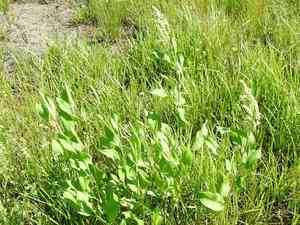
Pale dock flourishes when reproduced via the seeding technique. To achieve optimal outcomes, recently harvested seeds ought to be directly planted into soil that drains effectively. Verify that the substrate remains uniformly damp, yet not oversaturated, as this facilitates prime germination and development. It is crucial to adequately separate the seeds to enable sufficient root and leaf expansion. Consistent inspection for infestations and ailments will guarantee the robust establishment of pale dock.
Optimal Time for Pale Dock Propagation
Propagation Method
Seeding
Propagation Period
Spring
Tools for Pale Dock Propagation
Seed trays
Seed trays offer a controlled setting for planting and sprouting pale dock seeds. They enable uniform distribution and proper spacing of seeds, which is vital for optimal development. Their shallow depth and consistent compartment size aid in monitoring moisture levels and ensuring adequate air circulation, reducing the risk of detrimental fungal infections for seedlings.
Fine-grained soil mix
A fine-textured soil blend is crucial for pale dock due to its composition, which supports delicate seedlings by providing sufficient aeration and balanced water retention. This soil type allows pale dock roots to penetrate easily and establish quickly, essential for healthy growth during early development.
Misting bottle
A misting bottle is utilized to gently hydrate pale dock seeds without disturbing their position in the soil. Consistent misting helps maintain ideal humidity around the seeds, promoting germination without causing waterlogging, which could lead to seed decay or fungal growth.
Heat mat
A heat mat can be positioned beneath seed trays to maintain a steady soil temperature, which is critical for pale dock seed germination. Since temperature variations can significantly affect germination rates, a heat mat helps create a stable environment that encourages faster and more uniform seedling emergence.
Propagating Pale Dock
Propagation Type
Simple
Post-Propagation Care for Pale Dock
Post-Propagation Care for Pale Dock
Following propagation, gradually introduce pale dock seedlings to outdoor conditions if they began indoors. Transplant them to their permanent location in a sunny spot with well-draining soil. Water the plants regularly, especially during extended dry spells, but ensure the soil is not waterlogged. Monitor for pests and diseases and treat as needed. Regularly removing spent leaves and stalks will encourage healthier and more robust growth.
Common Propagation Errors to Avoid with Pale Dock
Overwatering
Excessive moisture can lead to root rot, severely hindering propagation success by suffocating roots and fostering fungal infections.
Planting Depth
Incorrect planting depth can result in poor root establishment. Planting too deeply can smother roots, while planting too shallowly can cause them to dry out.
Poor Soil Quality
Using soil lacking nutrients or being overly compacted can prevent roots from spreading and accessing essential nutrients, leading to stunted growth.
Inadequate Light
Insufficient light can impede photosynthesis, reducing the energy available for growth and establishment.
Neglecting Pests
Ignoring pests like aphids can lead to infestations that weaken the plant, making it more susceptible to diseases and less vigorous in growth.
Pale Dock Propagation Advice
Well-Draining Soil
Utilize soil that permits adequate water drainage to prevent waterlogging and root rot.
Proper Watering
Maintain a balanced watering schedule, ensuring the soil is moist but not saturated, to encourage healthy root development.
Correct Planting Depth
Plant at a depth where roots are securely covered without being buried too deeply; this promotes optimal root and shoot growth.
Adequate Light
Ensure the plant receives sufficient indirect light to facilitate photosynthesis and robust growth.
Pest Monitoring
Regularly check for pests and employ appropriate measures to control infestations, ensuring the plant remains healthy and vigorous.



