How to Transplant California blackberry?
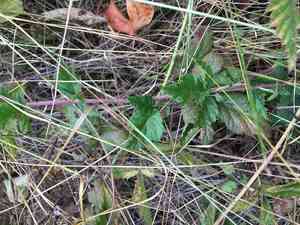
The optimal period for transplanting california blackberry is during the spring, leveraging the temperate conditions for root development. Select a location offering partial shade and soil that drains effectively. Carefully encourage the roots to expand, guaranteeing sufficient room for future growth.
What Preparations are Needed Before Transplanting California Blackberry?
What is the Ideal Time for Transplanting California Blackberry?
The perfect time for moving california blackberry is the spring season, characterized by mild weather and sufficient soil moisture, which ensures a smooth transition. Introducing california blackberry in springtime promotes root establishment, allowing them a full season to develop strongly before winter dormancy. Your garden thrives as california blackberry adapts easily during this period, guaranteeing the flourishing of these perennials with minimal stress.
How Much Space Should You Leave Between California Blackberry Plants?
Begin by digging holes for your california blackberry at a suitable distance apart - ideally around 3-4 feet (0.9 - 1.2 meters). This provides your plants ample room to grow without competing for space and resources.
What is the Best Soil Mix for California Blackberry Transplanting?
For optimal outcomes, prepare your soil prior to planting. California blackberry prefer slightly acidic, well-drained soil. Incorporate a balanced, slow-release fertilizer into the ground to give your plant a healthy start.
Where Should You Relocate Your California Blackberry?
Select your planting location carefully. California blackberry need full to partial sun to produce their delicious berries. Aim to choose a spot in your garden that receives ample sunlight throughout the day.
What Equipments Should You Prepare Before Transplantation California Blackberry?
Shovel or Garden Trowel
For excavating the hole where you will transplant california blackberry and for lifting it from its original spot.
Gardening Gloves
To safeguard your hands while handling the soil and plant.
Watering Can
To hydrate the plant before and after relocation.
Mulch
To apply as a protective layer for the plant's roots following transplantation.
Garden Shears
This is for trimming any damaged or dead branches on the california blackberry.
Measuring Tape
To help ensure that you're digging the hole to the correct depth and width.
How Do You Remove California Blackberry from the Soil?
How Do You Remove California Blackberry from the Soil?
From Ground: First, water the california blackberry plant to make the soil moist, not saturated. This will facilitate removal. Next, dig around the plant with a wide perimeter to protect the root ball, using your shovel or trowel. Keep the root ball intact as much as possible and gently extract the plant from the ground. Larger plants may require more effort to lift.From Pot: Start by watering the potted california blackberry plant. Incline the pot on its side and carefully ease the plant out, again, keeping the root ball intact. If the plant resists removal, tap the sides and bottom of the pot to loosen it.From Seedling Tray: Water the california blackberry seedlings until the soil is quite moist. Carefully grasp the upper part of the plant's main stem with one hand. With the other hand, push up on the bottom of the seedling tray pocket to remove the plant.
Step-by-Step Guide for Transplanting California Blackberry
Digging
Excavate a hole that's approximately twice the width and as deep as the california blackberry's root ball. This provides the roots ample room to expand.
Placing
Position the california blackberry plant in the hole. Ensure that the top of the root ball is level with the soil surface, not buried too deeply or protruding too high.
Backfilling
Refill the hole, gently firming the soil around the plant. Avoid compacting the soil too hard as this can hinder root growth.
Watering
Thoroughly water the transplanted plant to help the soil settle and reduce transplant shock.
Mulching
Apply a layer of mulch around the california blackberry plant, being careful not to pile the mulch against the stem of the plant.
How Do You Care For California Blackberry After Transplanting?
Pruning
After transplanting, trim the california blackberry to remove damaged or diseased branches. This helps the plant focus its energy on developing new roots.
Irrigation
Water your transplanted california blackberry consistently but avoid overwatering. The correct balance aids in developing deep roots and can prevent diseases.
Monitoring
Protect the california blackberry in its initial stages from insects, pests, or diseases that could impact its growth.
Seasonal care
Remember that california blackberry plant will enter dormancy during the winter season. This period allows the plant to rest and gather strength for the next growth cycle.
Troubleshooting Common Issues with California Blackberry Transplantation.
What are the best seasons for transplanting california blackberry?
The ideal seasons for transplanting california blackberry are from early spring (S1) to early summer (S3). Adjust according to your local climate.
How frequently should california blackberry be watered after transplanting?
California blackberry requires consistent watering immediately after transplanting, however, do not overdo it. Wait until the top inch (2.5 cm) of soil dries out before watering again.
What is the recommended space between two california blackberry plants while transplanting?
You should ideally leave approximately 3-4 feet (90-120 cm) of space between each california blackberry plant to ensure healthy growth and prevent overcrowding.
How to deal with california blackberry if it's wilting after transplantation?
Wilting california blackberry can be due to shock, insufficient water, or excessive sunlight. Ensure proper hydration, provide shade, and consider using a root stimulator.
The leaves of my california blackberry are turning yellow. What might be the cause?
Yellowing leaves may indicate a watering problem or nutrient deficiency. Check the soil's moisture levels and consider using a balanced plant fertilizer.
Why is the growth stunted after transplanting california blackberry?
Stunted growth could be due to a lack of nutrients in the soil, inadequate sunlight, over/under watering, or improper spacing between plants.
Should I prune my california blackberry after transplanting?
Pruning isn't immediately necessary after transplanting, but it is beneficial for directing growth. Simply cut back weak and overcrowded stems at the base.
What to do if california blackberry is not fruiting after transplanting?
Fruiting can take time. Ensure ample sunlight, proper fertilization, and regular watering. Be patient, and you'll be rewarded.
When can I expect to see blooms on my transplanted california blackberry?
Bloom times can vary significantly, but generally, california blackberry blooms around a year after transplanting. It greatly depends on care and environmental conditions.
What should I do if the roots of my california blackberry are rotting after transplantation?
Root rot is typically caused by overwatering or poor drainage. Remove the rotted parts, improve the soil drainage, and water appropriately.



