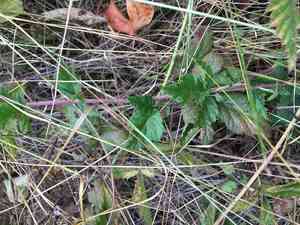
California blackberry (Rubus ursinus)
Also known as: California blackberry, Pacific blackberry, trailing blackberry
The Pacific blackberry (Rubus ursinus) is a North American native plant known for its edible berries. The genus name "Rubus" signifies "bramble," while "ursinus" translates to "bear." It is a favorite food source for the larvae of the western tiger swallowtail butterfly. Historically, Native Americans utilized this plant for both its nutritional and medicinal properties. Additionally, its robust root system makes it an excellent choice for stabilizing creek banks.
In This Article
Attributes of California blackberry
Lifespan
Perennial
Plant Type
Shrub
Plant Height
61 cm to 1.5 m
Spread
4.5 m
Leaf Color
Green
Flower Size
2.5 cm
Flower Color
White
Images of California blackberry
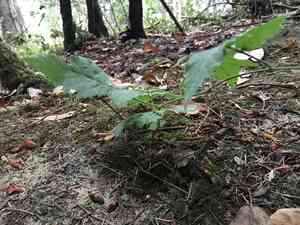
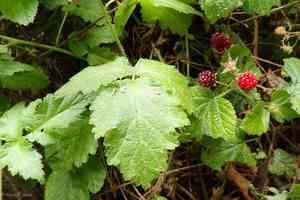
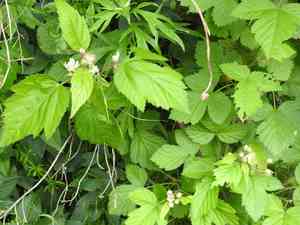
Quickly Identify California blackberry
1
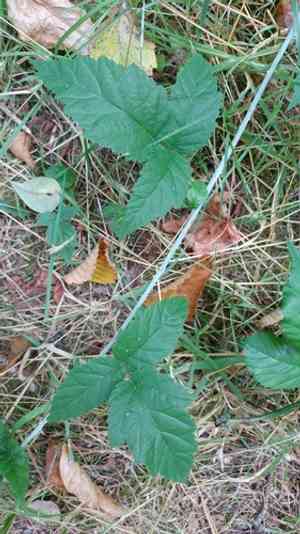
Look for a low, trailing plant with stems up to 5 feet long. Leaves are usually trifoliate, with each leaflet having a serrated edge. Flowers are white or pinkish, about 1 inch in diameter. Berries are small, dark purple to black, and are sweet when ripe.
Scientific Classification of California blackberry
Phylum
Vascular plants
Class
Dicotyledons
Order
Rosales
Family
Rose
Genus
Brambles
Species
California blackberry
Planting and Growing of California blackberry
Care Difficulty
Easy
Watering Schedule
Every 8 days
Sunlight Requirements
Full sun
Sunshine Duration
4-8 hours
Ideal Temperature
60-75℉
Soil Type
Potting Mix, Peat Mix
Soil pH
5.5-7
Fertilizer Type
Balanced
Pruning Season
Spring, Summer
Pruning Area
Branches, Leaves
Pruning Frequency
2 times a year
Repotting Season
Spring
Pot Type
Plastic, Ceramic
 How to Water California blackberry?
Rubus ursinus, commonly known as wild blackberry, requires around 500 ml of water per session. It's crucial to ensure that the soil is evenly moist but not waterlogged. This plant loves a consistent water supply that mimics its natural environment—typically damp, yet well-draining conditions.
More About Watering Techniques→
What are the symptoms of an underwatered California blackberry?
›
What should I do if my California blackberry is not getting enough water?
›
What are the symptoms of an overwatered California blackberry?
›
How to save an overwatered California blackberry?
›
 What Are the Sunlight Requirements for California blackberry?
Rubus ursinus favors full sun to partial sun conditions. This range ensures rapid growth and hearty berry production, offering the best flavor and health with frequent, direct sunlight exposure.
More About Sunlight Requirements Techniques→
What is the best light condition for growth?
›
How can I achieve ideal lighting?
›
What benefits does ideal lighting bring?
›
 What Is the Ideal Temperature Range for California blackberry?
The ideal temperature range for cultivating Rubus ursinus, commonly known as the California blackberry, is between 60 and 75 °F. In this range, the plant is likely to thrive, exhibiting optimal growth and fruit production. Ensuring these temperatures helps in maintaining the health of the plant, enhancing its ability to grow robustly and produce a healthy yield.
 What Soil is Best for California blackberry?
Rubus ursinus thrives in nutrient-rich soil, which provides essential minerals that promote healthy growth and fruiting. Nutrient-rich soil ensures robust plant structure and enhances the plant’s ability to produce abundant berries. This plant prefers well-draining soil to prevent root rot and other water-related diseases. Proper drainage maintains the health of the root system, allowing them to absorb nutrients effectively, leading to vigorous plant growth. While good drainage is essential, Rubus ursinus also benefits from soil that retains sufficient moisture. This balance prevents the soil from drying out, especially during dry spells, ensuring continuous growth and berry production.
More About Soil→
 How to Fertilize California blackberry?
For Rubus ursinus, it is important to provide the right amount of nutrients to ensure healthy growth and fruit production. Typically, 1/2 to 1 cup of balanced granular fertilizer per plant is sufficient when using solid fertilizers. For liquid fertilizers, use a diluted solution, typically at half the recommended strength on the packaging, to prevent over-fertilization.
More About Fertilizing Techniques→
 How to Prune California blackberry?
Start by evaluating your Rubus ursinus plant for dead or damaged canes. Use sharp pruning shears to cut these back to the ground. Focus on thinning out older canes to make room for new growth, cutting these at the base. Train new growth along supports to encourage structured development. Pruning should focus on improving light penetration and air circulation, which is essential for preventing disease. Trim back side shoots to around 12-18 inches, and regularly check for any untamed growth.
More About Pruning Techniques→
 How to Propagate California blackberry plant?
1
Gather ripened seeds directly from the fruit when they are fully matured. Clean the seeds by removing any fruit residue to prevent rotting, and let them dry in a well-ventilated area before sowing.
2
Select healthy, disease-free stems and cut them using sterile pruning shears. Each cutting should be around 4-6 inches long and include several leaves. Be sure to remove the lower leaves to expose the nodes.
3
During early spring or autumn, dig out the plant carefully, separating the root clumps by hand or with a sharp knife. Ensure each division has several stems and a healthy root section before replanting them in prepared soil.
 How to Repot California blackberry plant?
1
You'll know it's time to repot your Rubus ursinus when you see roots coming out of the drainage holes, or the plant looks stunted and unhappy despite regular care. Ideally, repot in spring as new growth begins, giving the plant a fresh start for the growing season.
2
Select a pot just one or two sizes larger than the current one, with adequate drainage holes. This prevents waterlogging and allows room for root growth, promoting a balanced plant that's less stressed and more vigorous in new environments.
3
Opt for a loamy, well-draining soil mix that retains enough moisture to support Rubus ursinus while preventing root rot. A combination of standard potting soil with perlite or sand is ideal, providing a breathable environment rich in nutrients for the plant.



