How to Prune California blackberry?
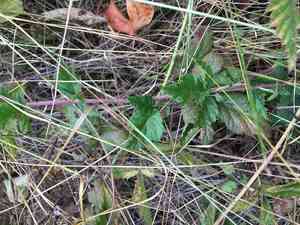
California blackberry, a perennial bramble that forms dense thickets, flourishes when carefully pruned to enhance its vigor and yield of berries. Essential methods involve excising dead or ailing stems, reducing density in congested zones, and shortening side branches to stimulate fruit development. The most effective period for pruning is early spring, precisely when fresh shoots emerge. This schedule enables cultivators to differentiate between fruitful and barren canes. Pruning benefits california blackberry by fostering better air movement, mitigating disease risk, and elevating the dimensions and excellence of the fruit.
What Are the Benefits of Pruning California Blackberry?
What Are the Benefits of Pruning California Blackberry?
Trimming california blackberry promotes vigorous development and maintains its form, ensuring a sturdy framework for optimal fruit yield and ease of harvest.
What Is the Best Time for Pruning California Blackberry?
What Is the Best Time for Pruning California Blackberry?
This period is considered ideal as california blackberry enters an active growth phase after winter dormancy. Early spring pruning allows for the removal of dead or damaged canes before the plant expends energy on them, thus directing resources to healthy tissue. This also aids in preventing disease spread and shaping the plant for the upcoming growing season. Additionally, since california blackberry typically flowers on the previous season's growth, early spring pruning ensures that the flower buds on last year's canes are not removed, which would otherwise reduce the season's fruit production.
What Tools Do I Need to Prune California Blackberry?
Hand Pruners
Perfect for cutting thin stems and canes of california blackberry due to their precise cutting capability.
Loppers
Suitable for severing thicker canes of california blackberry, offering leverage for a clean cut without harming the plant.
Pruning Saw
Recommended for the thickest, mature canes of california blackberry where hand pruners and loppers are insufficient.
Gloves
Essential for protecting hands from the thorns of california blackberry during pruning.
Long-Sleeved Shirt
Advised to shield skin from thorns while pruning california blackberry.
How to Prune California Blackberry
Step1: Tool Selection
Choose the appropriate pruning tools for california blackberry, such as clean, sharp bypass pruners or loppers for larger canes and a pair of gardening gloves to protect your hands from thorns.
Step2: Damage Identification
Examine california blackberry shoots to identify parts needing trimming: dead wood, diseased branches, and weak shoots. Look for canes no longer producing leaves or fruit, appearing discolored, or showing visible signs of disease or pest damage.
Step3: Cutting Dead Wood
Begin by removing any dead wood. Make precise cuts on california blackberry canes at a 45-degree angle, about 1/4 inch above an outward-facing bud or node. This encourages outward growth and prevents water collection on the cut surface, reducing disease risks.
Step4: Removing Diseased Branches
Prune diseased branches on california blackberry by cutting well below the affected area into healthy tissue. Disinfect tools after each cut with a 10% bleach solution or alcohol to prevent disease spread to other plant parts or other plants.
Step5: Pruning Weak Shoots
Identify weak shoots on california blackberry that are thinner and less vigorous than other canes. These typically produce less fruit and can be trimmed back to the base or to a stronger lateral shoot to redirect the plant's energy to more productive growth.
Step6: Thinning for Airflow and Light
Thin out california blackberry canes to improve air circulation and sunlight penetration. Remove some older canes at the base to allow new shoots to develop and become fruitful. Aim to keep 5-6 healthy, vigorous canes per plant.
Step7: Debris Cleanup
After pruning, clear away all trimmings from around california blackberry to prevent disease and pests from harboring in the debris. Compost healthy clippings and dispose of any diseased material properly.
Step8: Post-Pruning Watering
Water california blackberry after pruning to help the plant recover, focusing on the base of the plant rather than the leaves to minimize the chance of leaf diseases.
Step9: Growth Monitoring
Monitor california blackberry post-pruning for signs of new growth or any issues. Adjust care practices as needed, including watering, fertilization, and additional pruning if new dead or diseased wood develops.
Post-Pruning Care for California Blackberry
Post-Pruning Care for California Blackberry
Immediately after pruning california blackberry, ensure cut areas are clean to prevent infection. Optimize light exposure, maintain moderate humidity, and keep temperatures stable. Apply a balanced fertilizer to aid recovery and new growth. Regularly inspect for stress signs, such as wilting or discoloration, and treat any infections promptly with appropriate fungicides or insecticides. Monitoring and promptly addressing environmental stressors will support california blackberry's health and vigor.
Common Pruning Mistakes with California Blackberry
Over-pruning Shocks Plant
Excessive pruning at once, which can shock california blackberry and diminish its ability to flower and produce fruit.
Incorrectly Removing Healthy Canes
Eliminating healthy canes that could provide the next season's growth and berries, instead of focusing only on old or dead wood.
Improper Cuts Near Buds Create Stubs
Making cuts too far from the bud, leaving stubs that can lead to disease and pest problems.
Spreading Disease with Unclean Tools
Failing to sanitize pruning tools between cuts, which can spread disease from one part of california blackberry to another.
Wrong Angle Cuts Cause Rot
Cutting canes at incorrect angles, which can allow water to accumulate and lead to rot or fungal infections.
Disregarding Plant's Growth Pattern
Ignoring the plant's natural growth habit, potentially resulting in a less productive plant structure.
Common Pruning Tips for California Blackberry
Remove Dead Canes to Maintain Health
Identify and eliminate any dead or diseased canes to prevent them from draining energy from california blackberry and to help maintain a healthy plant.
Cut Above Bud at 45-Degree Angle
Prune just above a bud and at a 45-degree angle away from the bud to encourage proper healing and new growth.
Thin Dense Areas for Air and Sunlight
Thin out dense areas to improve air circulation and sunlight penetration, which are crucial for reducing disease pressure and encouraging fruiting.
Keep Healthy Canes for Continuous Fruiting
Retain several healthy canes from different years, allowing for a continuous cycle of renewal and berry production.
Use Sharp, Clean Tools for Precise Cuts
Use clean, sharp tools to make precise cuts, which helps prevent injury to california blackberry and promotes faster healing.
Prune According to Plant's Natural Structure
Follow the natural architecture of california blackberry, preserving its structural integrity and maximizing its fruiting potential by understanding its growth pattern.



