Optimal Fertilizer for Growing California blackberry: What You Need to Know
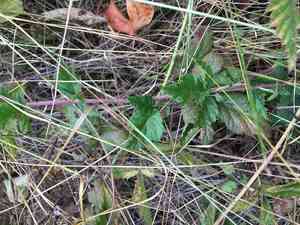
1
California blackberry plants flourish most effectively when fertilized at the start of Spring.
2
Seek out fertilizers possessing an even N-P-K proportion, like 10-10-10, to encourage peak development.
3
Organic compost not only provides nutrients but also enhances the soil's composition for California blackberry plants.
Grasping the Fertilization Requirements of California blackberry
Nutrient Significance for California blackberry Development
Nourishing your California blackberry plants guarantees they acquire the vital elements for robust development and abundant fruit yield. Key nutrients such as nitrogen (N), phosphorus (P), and potassium (K) play crucial roles. Nitrogen fosters foliage growth, phosphorus aids root formation and blooming, and potassium boosts overall plant vitality and fruit excellence. When these elements are sufficiently present, you'll observe vigorous growth and a profusion of delectable blackberries.
Detecting Deficiencies in California blackberry
Nutrient shortages can hinder the growth of your California blackberry plants. Common indicators include discolored leaves, stunted development, and diminished fruit production. Yellow foliage often signals a nitrogen deficit, while poor blooming and root growth suggest a phosphorus insufficiency. Potassium deficiency typically appears as browning or curling leaf margins. Regular plant inspection and addressing these shortfalls with proper fertilization can maintain your blackberry bush's health and productivity.
Selecting the Appropriate Fertilizer for California blackberry
Organic vs. Synthetic Fertilizers
Choosing the correct fertilizer type can significantly impact your California blackberry plants' well-being. Organic fertilizers, like compost, manure, and bone meal, are excellent for enhancing soil structure and long-term health. They release nutrients gradually, providing a consistent supply. Synthetic fertilizers, conversely, deliver nutrients rapidly and can be precisely adjusted for specific nutrient demands. However, they might cause chemical buildup in the soil over time. A balanced use of both can offer the advantages of immediate nourishment and enduring soil vitality.
Essential Components to Seek
When choosing a fertilizer, it's vital to consider the N-P-K ratio, representing nitrogen, phosphorus, and potassium. For California blackberry plants, a balanced fertilizer with an equal proportion, such as 10-10-10 or 5-5-5, is frequently advised. Additionally, micronutrients like magnesium, calcium, and iron support various metabolic functions and stress resilience in plants. Always review the label and select a fertilizer that offers a comprehensive nutrient profile.
When to Fertilize Your California blackberry
Optimal Times of Year for Fertilization
The best period to fertilize your California blackberry plants is in early Spring, just as new shoots begin to emerge. This timing ensures the plants have access to crucial nutrients during their most active growth phase. A subsequent application in early Summer can be beneficial, especially if plants show signs of nutrient scarcity. Avoid late-season fertilization to prevent stimulating new growth that could be harmed by frost.
Recognizing Signals for Immediate Fertilization
Beyond the seasonal schedule, California blackberry plants sometimes display signs indicating an urgent need for fertilization. These symptoms include yellowing or pale foliage, reduced leaf size, and poor fruit development. If you observe these indicators, an immediate application of a balanced fertilizer can help restore plant health. Monitor your plants closely and respond promptly to prevent lasting damage.
How to Apply Fertilizer to California blackberry
Step-by-Step Fertilization Procedure
Applying fertilizer to California blackberry plants involves a few precise steps to ensure maximum benefit. Start by measuring the recommended amount of fertilizer based on your planting area's size. Distribute the fertilizer evenly around the plant bases, keeping it at least 15 cm (6 inches) away from the stems to prevent burning. Water thoroughly after application to help nutrients penetrate the soil and reach the roots. Consider repeating this process approximately every 6-8 weeks during the growing season.
Common Errors to Avoid
When fertilizing California blackberry plants, steer clear of frequent errors like over-fertilization, which can lead to nutrient burn and plant stress. Instead of applying large quantities less often, opt for smaller, regular applications. Not watering after applying fertilizer is another mistake, as it can cause nutrient accumulation and damage roots. Finally, avoid high-nitrogen fertilizers, which can encourage excessive leafy growth at the expense of fruit production. Following these guidelines ensures your blackberry plants are healthy and productive.



