How to Transplant Dwarf Red Blackberry?
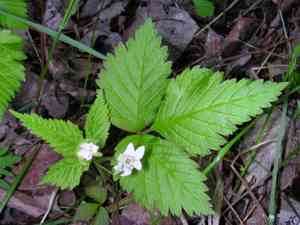
The ideal period for relocating dwarf Red Blackberry is the invigorating interval from mid to late spring, as the earth becomes suitably warm. Choose a location featuring soil that drains effectively and receives filtered sunlight. During the transplanting process, refrain from disrupting the root structure to encourage vigorous development.
What Preparations are Needed Before Transplanting Dwarf Red Blackberry?
What is the Ideal Time for Transplanting Dwarf Red Blackberry?
The optimal period for relocating dwarf Red Blackberry is during its vigorous growth phase in mid-to-late spring. This timeframe provides moderate temperatures and sufficient moisture, creating ideal conditions for dwarf Red Blackberry's root establishment. Moving dwarf Red Blackberry at this point leverages the increasing daylight and warmth, promoting robust development. Placing dwarf Red Blackberry in its new spot during this season ensures quick adaptation and flourishing, laying a strong foundation for future years. Transplanting dwarf Red Blackberry in this season is a strategic choice for the best possible start. It's the perfect approach for a lush, productive yield!
How Much Space Should You Leave Between Dwarf Red Blackberry Plants?
Greetings, aspiring gardener! Let's ensure your dwarf Red Blackberry has ample room to flourish. When relocating, aim for a separation of approximately 12-18 inches (30-46 cm) between plants. This will guarantee they have sufficient area to grow and produce those delightful berries!
What is the Best Soil Mix for Dwarf Red Blackberry Transplanting?
To give your dwarf Red Blackberry an excellent start, select soil that drains effectively. A rich loam or sandy loam is most suitable. Before transplanting, incorporate a balanced, slow-release fertilizer to nourish your dwarf Red Blackberry and encourage vigorous growth. Happy planting!
Where Should You Relocate Your Dwarf Red Blackberry?
Your dwarf Red Blackberry thrives in sunlight! Choose a location that receives full sun exposure throughout the day. This means at least 6-8 hours of direct sunlight to help your dwarf Red Blackberry prosper. A sunny spot will contribute to a plentiful harvest of berries. Best of luck!
What Equipments Should You Prepare Before Transplantation Dwarf Red Blackberry?
Gardening Gloves
To safeguard your hands while handling soil and plants.
Shovel or Spade
To excavate the plant without harming the root ball.
Hand Trowel
For precise digging around the root system.
Watering Can or Hose
To hydrate the plant before and after relocation.
Pruning Shears
To trim any damaged roots or foliage.
Wheelbarrow or Garden Cart
To transport the plant and soil.
Measuring Tape
To accurately space out the planting holes.
Rooting Hormone (optional)
To stimulate root development in the new site.
How Do You Remove Dwarf Red Blackberry from the Soil?
How Do You Remove Dwarf Red Blackberry from the Soil?
From Ground: First, moisten the dwarf Red Blackberry plant to damp the soil. Then, excavate a wide trench around the plant using a shovel or spade, being careful not to harm the root ball. Gently work the spade beneath the root ball to lift the plant from its original spot.From Pot: Hydrate the dwarf Red Blackberry plant in its container before beginning. Turn the pot on its side and lightly tap to loosen the soil and roots. Slowly ease the plant out, preserving the root ball's structure.From Seedling Tray: Moisten the soil in the tray to facilitate removal. Use a hand trowel or your fingers to gently lift each dwarf Red Blackberry plant, ensuring the root ball and surrounding soil remain intact.
Step-by-Step Guide for Transplanting Dwarf Red Blackberry
Preparation
Ensure all necessary tools and supports are ready. Water the dwarf Red Blackberry plant beforehand to lessen transplant shock and ease the removal process. If transplanting in the afternoon, select a cooler part of the day to help the plant cope with the move more easily. Prepare the new planting hole in the ground before removing the plant from its original location to minimize root exposure to air and sun, which could cause drying and stress to the plant. The hole should be twice the width of the root ball and the same depth to provide ample space for root growth, but also to allow the dwarf Red Blackberry to sit at the same level it was in the previous location. If the soil at the new site is very compacted, consider loosening the soil around the planting hole to improve root spread and access to nutrients. Take a moment to also remove any weeds or debris from the planting area, ensuring a clean environment for the dwarf Red Blackberry.
Removal
Refer to the 'removal_process' section for detailed instructions on how to safely extract the dwarf Red Blackberry from its current spot, whether it's the ground, pot, or seedling tray.
Transplanting
Transport the dwarf Red Blackberry to the new location using a wheelbarrow or garden cart if needed. Position the dwarf Red Blackberry in the center of the pre-dug hole and gently spread the roots if they are tangled or circling. Backfill the hole with garden soil, firming it down as you go to eliminate air pockets. Ensure the dwarf Red Blackberry is planted at the same soil depth it was previously.
Finalizing
After planting, thoroughly water the dwarf Red Blackberry to settle the soil around the roots and to aid with the shock of transplanting. Prune any broken or damaged roots or branches that may have occurred during the transplanting process using the pruning shears.
How Do You Care For Dwarf Red Blackberry After Transplanting?
Watering
Provide water to the dwarf Red Blackberry regularly, keeping the soil consistently moist to encourage root establishment in its new location.
Mulching
Apply a layer of organic mulch around the base of the dwarf Red Blackberry to retain soil moisture and regulate soil temperature, being careful not to pile it against the main stem or canes to prevent rot.
Observation
Monitor the dwarf Red Blackberry for indications of transplant shock such as wilting or discolored leaves. If symptoms appear, provide additional care and ensure the plant receives adequate water.
Support
If the dwarf Red Blackberry has tall canes, consider staking them or providing a trellis for support to prevent damage from wind or the weight of the fruit.
Troubleshooting Common Issues with Dwarf Red Blackberry Transplantation.
When is the best time to transplant dwarf Red Blackberry?
The optimal transplant period is during mid to late spring, offering dwarf Red Blackberry ample time to establish.
How much space does dwarf Red Blackberry need when transplanting?
Proper spacing for dwarf Red Blackberry is between 12 inches (30 cm) and 18 inches (45 cm) for healthy growth.
Why is my dwarf Red Blackberry not thriving after transplant?
Ensure it's not planted too deep, receives enough water, and check for root-bound issues or pests.
How deep should I plant the dwarf Red Blackberry roots?
The root system should be just below the surface, with the crown at soil level to prevent rot.
Can I transplant dwarf Red Blackberry in full sun?
Yes, dwarf Red Blackberry flourishes in full sun but also tolerates partial shade, which can reduce stress post-transplant.
What soil conditions are best for transplanting dwarf Red Blackberry?
Loamy, well-drained soil enriched with organic matter suits dwarf Red Blackberry and ensures a successful transplant.
How often should I water dwarf Red Blackberry after transplanting?
Water dwarf Red Blackberry generously after transplanting and then regularly to keep the soil consistently moist but not soggy.
Should I prune dwarf Red Blackberry when transplanting?
Minimal pruning is recommended; just trim damaged or excessively long roots before transplanting.
How to protect dwarf Red Blackberry after transplanting during unexpected frost?
Provide a protective mulch layer or frost cloth during cold snaps to shield dwarf Red Blackberry from frost damage.
Is it recommended to fertilize dwarf Red Blackberry after transplanting?
Wait 4-6 weeks before fertilizing to allow dwarf Red Blackberry to settle, then use a balanced, slow-release fertilizer.



