How to Prune Dwarf Red Blackberry?
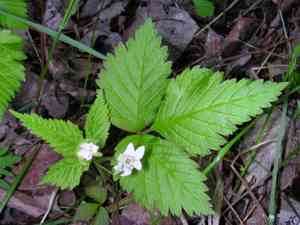
This enduring shrub features unique low-lying thorny stems adorned with crimson fruit. For dwarf Red Blackberry, proper trimming entails excising deceased or ailing stalks, thinning to improve light exposure and air movement, and managing expansion by severing aggressive runners. The ideal period for pruning is late spring or summer, following the harvest of berries. Advantages of pruning dwarf Red Blackberry encompass more robust plants, bigger fruit, and a decrease in disease occurrence. Always use gloves to guard against prickles and sanitize implements to avert the dissemination of pathogens.
What Are the Benefits of Pruning Dwarf Red Blackberry?
What Are the Benefits of Pruning Dwarf Red Blackberry?
Trimming dwarf Red Blackberry promotes more robust, energetic development and maintains its desired shape. This action helps revitalize the plant and ensures peak health for ongoing yield.
What Is the Best Time for Pruning Dwarf Red Blackberry?
What Is the Best Time for Pruning Dwarf Red Blackberry?
Late spring and early summer are optimal for trimming dwarf Red Blackberry as these periods follow the plant's blooming phase in early spring. Pruning after flowering allows for the removal of spent blossoms and encourages the growth of new stems capable of producing fruit the subsequent year. This timing also aligns with the plant's natural growth cycle when it is actively developing, aiding in quicker recovery from pruning cuts. Furthermore, removing canes that have already fruited immediately post-harvest can lessen disease transmission and pest infestations during warmer months, leading to a healthier and more prolific plant.
What Tools Do I Need to Prune Dwarf Red Blackberry?
Hand Pruners
Ideal for cutting through stems and smaller branches of dwarf Red Blackberry, given its typically thinner canes. Hand pruners offer precision and are easy to handle for shaping and maintaining the plant's preferred form.
Bypass Pruners
These pruners operate like scissors, with two curved blades that slide past each other to create a clean cut. They are favored for dwarf Red Blackberry to prevent stem crushing, which can encourage disease.
Pruning Saws
For older, tougher stems that hand pruners cannot manage, a pruning saw provides the necessary cutting force. A saw with a smaller blade is more appropriate for the size of dwarf Red Blackberry.
Loppers
While not strictly necessary, loppers can be useful for reaching into denser areas and cutting slightly thicker canes if present in mature dwarf Red Blackberry specimens.
Gloves
To safeguard hands from thorns, as dwarf Red Blackberry is a bramble species with prickles that can cause scratches during pruning activities.
Pruning Sealer
To protect cut canes from disease and pests, though its efficacy is debated; should only be considered if recommended for dwarf Red Blackberry by a local agricultural extension or trusted horticultural expert.
How to Prune Dwarf Red Blackberry
Clean And Sharpen Tools
Before beginning the pruning process, clean and sharpen your pruning shears to prevent disease spread and ensure precise cuts.
Remove Diseased Leaves
Carefully inspect dwarf Red Blackberry for diseased leaves, which may appear discolored or spotted. Gently trim these leaves at the stem's base, taking care not to harm healthy sections.
Trim Withered Leaves
Identify withered or dead leaves on dwarf Red Blackberry, as they no longer contribute to its growth. Clip them off at the base to promote improved air circulation and light penetration to the healthier foliage.
Cut Diseased Stems
Look for stems on dwarf Red Blackberry that exhibit signs of disease, such as unusual growths or discoloration. Cut these stems back to a healthy portion, ensuring the cut is made at a joint or just above an outward-facing bud.
Dispose Of Trimmings
Safely discard the pruned material away from dwarf Red Blackberry to prevent potential re-infection or disease spread. Do not compost diseased leaves or stems.
Common Pruning Mistakes with Dwarf Red Blackberry
Over-Pruning
Removing too much of dwarf Red Blackberry's growth at once can stress the plant, diminishing its vigor and fruit yield.
Improper Cuts
Making cuts that are either too angled or too blunt can damage dwarf Red Blackberry's canes and lead to disease.
Neglecting Dead Or Diseased Canes
Failing to remove canes that are dead or diseased can impede dwarf Red Blackberry's overall health and spread pathogens.
Ignoring Lateral Growth
Not thinning out lateral branches can result in a dense canopy that reduces air circulation and sunlight penetration, crucial for dwarf Red Blackberry's health.
Pruning Without Clean Tools
Using tools that are not sanitized can introduce diseases to dwarf Red Blackberry, compromising the plant's health.
Common Pruning Tips for Dwarf Red Blackberry
Moderation
Prune dwarf Red Blackberry thoughtfully, removing only necessary parts to maintain its form and productivity.
Clean Cuts
Ensure cuts are made with sharp, clean tools, slightly angled away from buds to encourage healthy regrowth.
Deadwood Removal
Regularly remove dead or diseased canes to maintain the health of dwarf Red Blackberry and promote fruitful growth.
Thinning
Thin out the center of dwarf Red Blackberry to increase air flow and sunlight exposure, which are vital for reducing disease and promoting berry production.
Tool Sanitation
Sanitize pruning tools before use to prevent the transfer of disease to dwarf Red Blackberry or between its canes.



