Enhancing Your Garden Design with the Dwarf Red Blackberry Plant: A Landscaping Guide
1
Dwarf Red Blackberry introduces lively hues and varied textures to your outdoor space.
2
It supports native environments and draws in various creatures.
3
Strategic positioning and layout can establish Dwarf Red Blackberry as a prominent feature in your yard.
Introducing Dwarf Red Blackberry in Garden Design
Appreciating the Beauty of Dwarf Red Blackberry
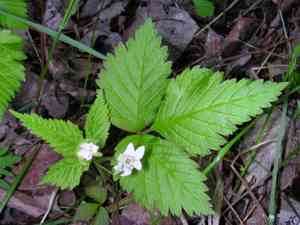
Adding Dwarf Red Blackberry to your garden scheme can greatly enhance its visual appeal. This plant offers vivid colors and delicate textures, making it an ideal addition to any outdoor area. Its rich red fruits beautifully contrast with green leaves, providing a lively and captivating element. Whether you prefer a rustic garden style or a more contemporary look, Dwarf Red Blackberry fits seamlessly into diverse aesthetics, delivering a burst of color that transforms ordinary spots into striking focal points.
Advantages of Including Dwarf Red Blackberry in Your Garden
Beyond its undeniable charm, Dwarf Red Blackberry offers numerous benefits when integrated into your garden. Its inherent qualities can assist in soil stabilization and erosion prevention, making it a practical choice for sloped terrains. Furthermore, Dwarf Red Blackberry is relatively easy to maintain, suitable for gardeners of all experience levels. The plant draws in pollinators, which boosts the overall health of your garden ecosystem. Essentially, Dwarf Red Blackberry combines utility with beauty, offering both aesthetic pleasure and ecological advantages.
Optimal Practices for Integrating Dwarf Red Blackberry into Garden Layouts
Selecting the Ideal Spot for Dwarf Red Blackberry
When choosing a planting site for Dwarf Red Blackberry, opt for locations receiving partial to full sunlight. While adaptable, ensuring well-drained soil will guarantee its robust growth. Avoid areas prone to water accumulation, as this can negatively impact the plant's health. Placing Dwarf Red Blackberry along garden edges or within mixed shrubbery creates natural groupings that enhance visual appeal. Consider the plant's mature size to ensure ample room without overcrowding nearby plants.
Companion Plants and Design Concepts for Dwarf Red Blackberry
Pairing Dwarf Red Blackberry with complementary plants can create stunning visual harmony in your garden. Combine it with perennial flowers that bloom in contrasting shades to highlight the vibrant red berries of Dwarf Red Blackberry. Plants like lavender or salvia work well due to their complementary colors and similar light requirements. Additionally, incorporating ornamental grasses can heighten textural contrast, making your garden design more dynamic and engaging. Explore various arrangements to observe how Dwarf Red Blackberry interacts with other elements in your outdoor space.
Spacing and Arrangement: Maximizing Visual Impact with Dwarf Red Blackberry
Proper spacing and grouping of Dwarf Red Blackberry can amplify its visual impact in your landscape. Planting in clusters rather than a single line creates a more natural appearance, giving the impression of a lush, thriving garden. Ensure each plant has sufficient space to display its berries and foliage. This not only enhances aesthetic appeal but also allows for better air circulation, reducing disease risk. Consider using Dwarf Red Blackberry as part of layered planting schemes, where its height can provide a mid-level point of interest in a multi-tiered design.
Seasonal Considerations for Dwarf Red Blackberry
Optimal Planting Time for Dwarf Red Blackberry
The best time to plant Dwarf Red Blackberry is in early spring or late autumn when the soil is moist and temperatures are moderate. Planting during these periods allows the plant to establish roots before the extreme conditions of summer or winter arrive. If planting in spring, ensure the risk of frost has passed to promote healthy growth. Fall planting enables the plant to settle before dormancy, preparing it for vigorous growth in the spring.
Preparing for Seasonal Changes and Maintaining Dwarf Red Blackberry's Beauty
Dwarf Red Blackberry requires some attention to maintain its beauty throughout the changing seasons. During dry periods in summer, provide extra watering to keep the soil consistently moist. In autumn, remove any dead or decaying leaves to prevent disease and pest issues. Mulching around the plant's base in late fall can help insulate roots from winter cold. Regular pruning in early spring encourages new growth and keeps the plant looking neat. These simple steps ensure Dwarf Red Blackberry remains a vibrant centerpiece in your garden year-round.
Utilizing Dwarf Red Blackberry as a Landscape Focal Point
Design Approaches for Highlighting Dwarf Red Blackberry in Your Yard
To make Dwarf Red Blackberry a focal point in your landscape, place it in areas that naturally attract attention, such as near entrances or along paths. Use landscape lighting to illuminate Dwarf Red Blackberry in the evening, enhancing its visibility and adding a dramatic effect to your garden. Incorporate elements like decorative garden stones or statues around Dwarf Red Blackberry to create a cohesive and inviting focal area. Strategic placement not only highlights the beauty of Dwarf Red Blackberry but also integrates it as a central feature of your garden design.
Crafting Striking Visuals with Dwarf Red Blackberry's Distinctive Features
The unique characteristics of Dwarf Red Blackberry, such as its vibrant berries and lush foliage, can be emphasized through thoughtful design. Utilize garden structures like trellises or arbors to provide a backdrop that showcases Dwarf Red Blackberry's natural beauty. Contrast its red berries against neutral or darker-colored elements to make them stand out. The use of reflective surfaces, like water features or mirrors, can also amplify the visual impact of Dwarf Red Blackberry. By capitalizing on its distinctive traits, you can create a truly stunning and memorable garden scene.
Integrating Hardscaping Elements with Dwarf Red Blackberry
Incorporating hardscaping elements such as patios, walkways, and garden walls with Dwarf Red Blackberry can enhance the overall landscape design. Stone paths or wooden decks can frame Dwarf Red Blackberry, providing a structured contrast to its organic form. Raised beds or planters made from materials like brick or stone can elevate Dwarf Red Blackberry physically and visually, making it a prominent feature. Hardscaping not only complements the plant's aesthetic but also adds functionality and structure to your garden, creating a balanced and harmonious outdoor space.
Environmental and Wildlife Benefits of Dwarf Red Blackberry
Supporting Local Ecosystems with Dwarf Red Blackberry
Dwarf Red Blackberry plays a crucial role in supporting local ecosystems. Its flowers provide nectar for pollinators such as bees and butterflies, boosting biodiversity in your garden. The plant's dense foliage offers shelter and nesting sites for small animals and birds. By incorporating Dwarf Red Blackberry into your landscape, you're contributing to the health and sustainability of your local ecosystem. It helps create a balanced environment where various species can thrive and coexist.
Attracting Wildlife with Dwarf Red Blackberry's Natural Attributes
The natural characteristics of Dwarf Red Blackberry, especially its berries, attract a variety of wildlife. Birds are particularly drawn to the bright red berries, which provide a valuable food source during different seasons. This plant also attracts beneficial insects that help control garden pests, reducing the need for chemical interventions. By planting Dwarf Red Blackberry, you're not only beautifying your landscape but also creating a haven for local wildlife, fostering an environment where nature can flourish alongside your garden.



