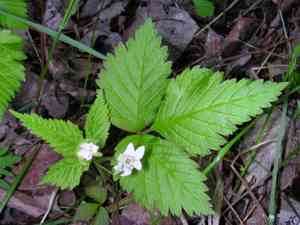
Dwarf Red Blackberry (Rubus pubescens)
Also known as: Dewberry, Trailing Raspberry, Pigeonberry
The Dwarf Red Blackberry, also known as dewberry, is a perennial plant native to the U.S. It produces small, red berries that are edible and also attract wildlife like bears. This plant thrives in moist, well-drained soils typically found near bogs and swamps.
In This Article
Attributes of Dwarf Red Blackberry
Lifespan
Perennial
Plant Type
Herb, Shrub
Plant Height
10 cm to 15 cm
Spread
1.2 m to 2.5 m
Leaf Color
Green Blue
Flower Size
2.5 cm
Flower Color
White
Images of Dwarf Red Blackberry
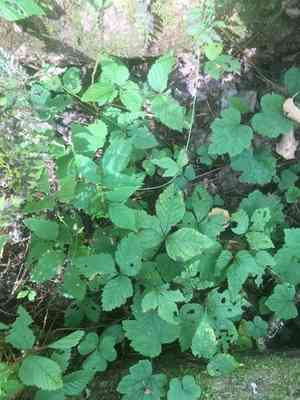
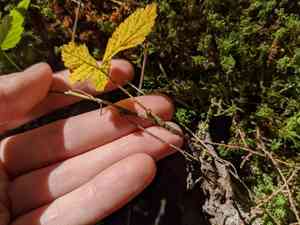
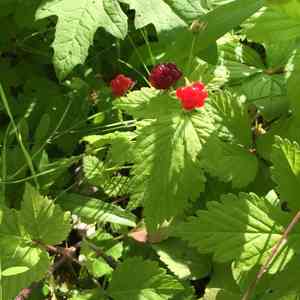
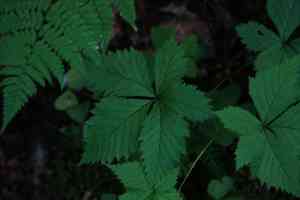
Quickly Identify Dwarf Red Blackberry
1
Rubus pubescens can be identified by its low-growing, stout stems that often lie close to the ground. The leaves are compound with typically three leaflets. The berries are small, round, and red.
Scientific Classification of Dwarf Red Blackberry
Phylum
Vascular plants
Class
Dicotyledons
Order
Rosales
Family
Rose
Genus
Brambles
Species
Dwarf Red Blackberry
Planting and Growing of Dwarf Red Blackberry
Care Difficulty
Easy
Watering Schedule
Every 8 days
Sunlight Requirements
Partial sun
Sunshine Duration
4-8 hours
Ideal Temperature
60-75℉
Soil Type
Potting Mix, Peat Mix
Soil pH
5-7
Fertilizer Type
Balanced
Pruning Season
Spring, Summer
Pruning Area
Branches, Leaves
Pruning Frequency
Once a year
Repotting Season
Spring
Pot Type
Plastic, Ceramic
 How to Water Dwarf Red Blackberry?
For Rubus pubescens, a diligent watering routine is crucial. Each time, provide about 250 milliliters of water. Ensure the water reaches the root zone but does not waterlog the soil. Allow the top inch of soil to dry slightly before the next watering. This approach mimics the natural conditions these plants thrive in.
What are the symptoms of an underwatered Dwarf Red Blackberry?
›
What should I do if my Dwarf Red Blackberry is not getting enough water?
›
What are the symptoms of an overwatered Dwarf Red Blackberry?
›
How to save an overwatered Dwarf Red Blackberry?
›
 What Are the Sunlight Requirements for Dwarf Red Blackberry?
Partial sun exposure provides Rubus pubescens with optimal photosynthesis capacity while preventing leaf burn, ultimately contributing to vibrant foliage and healthy plant development.
More About Sunlight Requirements Techniques→
Optimal Sunlight Exposure
›
Shifting Sun Patterns
›
Artificial Lighting
›
 What Is the Ideal Temperature Range for Dwarf Red Blackberry?
The ideal temperature range for Rubus pubescens is between 60°F and 75°F. Within this range, the plant can maintain active growth and development, optimizing processes such as photosynthesis and nutrient uptake. Keeping the environment within this window ensures robust plant health and productivity.
 What Soil is Best for Dwarf Red Blackberry?
Rubus pubescens thrives in soil that has good moisture retention capabilities. This ensures the plant has consistent access to water, which supports its growth and berry production. A loamy soil, rich in organic matter, is ideal for this purpose. This plant benefits from nutrient-rich soil, which provides essential elements like nitrogen, phosphorus, and potassium. These nutrients support robust growth and enhance the plant's fruiting capabilities. Adding compost or well-rotted manure can boost these soil nutrients. Rubus pubescens prefers soil that not only retains moisture but also drains well to avoid waterlogging. Sandy loam soils typically provide the right balance between drainage and moisture retention, preventing root rot and fostering healthy root systems.
 How to Fertilize Dwarf Red Blackberry?
For Rubus pubescens, it's important to apply a balanced 10-10-10 (N-P-K) fertilizer. Use about 2 tablespoons per gallon of water if applying a liquid form, ensuring equal distribution around the base. For solid fertilizers, a single application should cover an area of 10 square feet.
 How to Prune Dwarf Red Blackberry?
Over-pruning can stress the plant and reduce fruit production. It’s important to strike a balance between maintaining the plant and ensuring optimal growth. While pruning, check for signs of disease or pests like discoloration or abnormal spots. Early detection and removal can prevent spread to healthy parts. Proper timing is crucial. Pruning too early in spring might expose tender new cuts to frost, and too late in summer may risk sunscald on new growth.
More About Pruning Techniques→
 How to Propagate Dwarf Red Blackberry plant?
1
Take 4-6 inch long cuttings from healthy stems in early summer. Ensure each cutting has at least three leaves and trim the lower foliage. Dip the cut end in rooting hormone before planting it in a well-draining potting mix.
2
Dig up the root clump of an established Rubus pubescens plant in spring. Divide it into sections, ensuring each part has roots and shoots. Replant the divisions immediately in a suitable location with ample spacing for growth.
3
Sow Rubus pubescens seeds in early spring in a seed tray filled with moist, well-draining soil. Cover lightly with soil, and keep them in a warm, bright area. The seeds should germinate in 2-4 weeks.
 How to Repot Dwarf Red Blackberry plant?
1
Rubus pubescens shows signs like crowded roots or diminished growth, indicating it's time to repot. Spring is ideal as plants are emerging from dormancy, making root disturbance less stressful.
2
Select a pot that is slightly larger than the current one with ample drainage holes to prevent waterlogging. A larger pot provides room for growth, helping the plant thrive without the risk of root rot.
3
Opt for a well-draining, acidic soil mix tailored for Rubus species. This soil maintains proper moisture levels while ensuring nutrients are effectively delivered, crucial for this plant's health.
Learn More About Dwarf Red Blackberry Diseases
Anthracnose
Bacterial Leaf Spot
Crown Gall
Cyst Nematode
Damping-off
Downy Mildew
Drought Stress
Fusarium Wilt
Gray Mold
Leaf Curl
Leaf Spot
Mosaic
Nutrient Deficiency
Nutrient Toxicity
Powdery Mildew
Root Rot
Root-knot Nematode
Rusts
Sooty Mold
Spider Mites
Temperature Stress
Thrips Damage
White Mold



