How to Transplant Japanese raspberry?
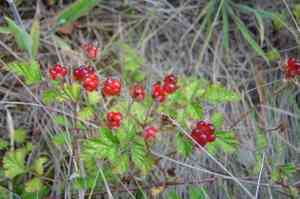
The ideal period to relocate japanese raspberry is as spring transitions into mild growing weather, offering prime circumstances for root development. Select a location with dappled sunlight and soil that drains effectively. Exercising care with the roots during transplantation is vital for successful adaptation.
What Preparations are Needed Before Transplanting Japanese Raspberry?
What is the Ideal Time for Transplanting Japanese Raspberry?
The arrival of spring's warmth extending to the threshold of summer provides an optimal period for relocating your japanese raspberry. Moving japanese raspberry during this timeframe ensures the ground is receptive, fostering root development prior to the intense heat of summer. Settling your japanese raspberry into its new spot when the weather is mild, with gentle rainfall, enhances its prospects for vigorous growth. This aligns with japanese raspberry's natural cycle, utilizing the burst of springtime growth for prime development. By selecting this opportune moment, you give your japanese raspberry the best start in its new location.
How Much Space Should You Leave Between Japanese Raspberry Plants?
When getting ready for japanese raspberry, allow each ample room to thrive. Aim for a separation of approximately 4-6 feet (1.2-1.8 meters) apart. This will provide your japanese raspberrys with sufficient area to expand and reach their full potential!
What is the Best Soil Mix for Japanese Raspberry Transplanting?
To create a welcoming environment for your japanese raspberry, prepare a soil that is rich, drains well, and is slightly acidic to neutral. Before planting, consider enriching your soil with a balanced slow-release fertilizer to stimulate robust growth from the outset!
Where Should You Relocate Your Japanese Raspberry?
Select a location for your japanese raspberry that receives partial shade to full sun. This guarantees they will obtain the appropriate amount of light to produce those delightful berries without becoming too overheated!
What Equipments Should You Prepare Before Transplantation Japanese Raspberry?
Gardening Gloves
To safeguard your hands while handling the soil and japanese raspberry.
Shovel or Spade
For excavating the plant and preparing the new planting site.
Pruning Shears
To trim any damaged roots or excess foliage prior to transplanting.
Watering Can or Hose
To hydrate the plant both before and after its relocation.
Wheelbarrow or Garden Cart
To move the japanese raspberry and soil if necessary.
Garden Fork
To aerate and loosen the soil around the root area during extraction.
Mulch
To aid in moisture retention and weed suppression after planting in the ground.
How Do You Remove Japanese Raspberry from the Soil?
How Do You Remove Japanese Raspberry from the Soil?
From Ground: Hydrate the japanese raspberry to moisten the soil. Use a shovel or spade to dig a wide trench around the plant, ensuring the root ball remains intact. Carefully slide the spade beneath the root ball to lift the japanese raspberry from its original spot.From Pot: Thoroughly water the japanese raspberry to facilitate the removal process. Turn the pot sideways, tap the base, and gently extract the plant by the stem's bottom.From Seedling Tray: Water the japanese raspberry to keep the soil cohesive. Carefully press the cell's bottom to push the plant out, holding it by the leaves to prevent stem damage.
Step-by-Step Guide for Transplanting Japanese Raspberry
Digging The Hole
Excavate a hole in the ground that is twice the width of the japanese raspberry's root ball and equally deep.
Preparing The Plant
Inspect the root ball for any circling roots and gently untangle them. Snip off any broken or excessively long roots.
Plant Positioning
Place the japanese raspberry into the hole at the same depth it was previously growing. Orient the plant in the direction it was originally facing for better acclimatization.
Filling The Hole
Backfill the hole with soil around the japanese raspberry's root ball, gently pressing down the soil to eliminate air pockets.
Stabilizing
If the japanese raspberry is top-heavy or in a windy location, use plant supports to secure it until the roots establish.
Watering
Water the japanese raspberry thoroughly to settle the soil around the roots and help reduce transplant shock.
Applying Mulch
Spread a layer of mulch around the base of japanese raspberry to preserve moisture and provide temperature stability for the roots.
How Do You Care For Japanese Raspberry After Transplanting?
Monitoring
Regularly check the japanese raspberry for indications of transplant shock, such as wilting or browning leaves, and address these symptoms promptly.
Support
Provide stakes or other supports if japanese raspberry shows signs of leaning or instability while the roots are becoming established.
Adjustment Period
Allow the japanese raspberry time to adapt to its new location without the stress of additional pruning or fertilization during the first growing season post-transplant.
Watering Schedule
Establish a watering routine that keeps the japanese raspberry's soil moist but not waterlogged, allowing for gradual root expansion.
Weed Management
Keep the area around japanese raspberry free of weeds to reduce competition for nutrients and water, being careful not to disturb the new roots when removing weeds.
Troubleshooting Common Issues with Japanese Raspberry Transplantation.
What's the best time to transplant japanese raspberry?
Choose the freshness of early to late spring when the soil is manageable.
How far apart should japanese raspberry be spaced when transplanting?
Allow ample spacing of 4-6 feet (1.2-1.8 meters) between each japanese raspberry.
What soil conditions favor japanese raspberry transplantation success?
Select well-draining soil, rich in organic matter, for your japanese raspberry.
How do I prepare the planting area for japanese raspberry?
Cultivate the soil and incorporate compost before placing your japanese raspberry in its new home.
Why is my japanese raspberry wilting after transplant?
Wilting may be due to transplant shock; ensure adequate watering and avoid direct sunlight initially.
How deep should I dig the hole for transplanting japanese raspberry?
The hole should be twice the width and the same depth as the japanese raspberry's root ball.
Can I use fertilizer when transplanting japanese raspberry?
Yes, but sparingly. A slow-release balanced fertilizer can promote healthy growth.
How should I water japanese raspberry after transplanting?
Water thoroughly at the base after transplanting, then consistently to keep the soil moist.
Is trimming necessary when transplanting japanese raspberry?
Trim damaged roots and branches to encourage vigor and new growth.
What if japanese raspberry leaves turn yellow after transplanting?
Yellowing leaves may indicate overwatering or nutrient deficiency; adjust care accordingly.



