How to Prune Japanese raspberry?
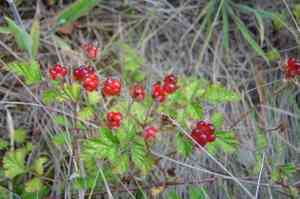
This spiny, fruit-producing perennial flourishes with consistent upkeep. Trim japanese raspberry in late winter or early spring prior to the emergence of new foliage. Eliminate deceased or compromised canes, reduce the density of older stalks to foster fresh fruit-bearing branches, and sculpt the plant to enhance airflow. Trimming not only encourages more robust development and bigger fruits, but also manages its expansion, as japanese raspberry has the potential to become intrusive. Disinfect implements between incisions to avert illness.
Advantages of Trimming Japanese Raspberry
Advantages of Trimming Japanese Raspberry
Trimming japanese raspberry promotes robust development and helps maintain its desired form. By eliminating dead or overgrown branches, air circulation improves, lowering disease risk and fostering stronger, healthier growth.
Optimal Time for Trimming Japanese Raspberry
Optimal Time for Trimming Japanese Raspberry
Trimming japanese raspberry in late winter or early spring is crucial as it aligns with the plant's dormant phase, minimizing stress and encouraging vigorous growth. During late winter, the absence of leaves allows for a clearer view of the plant's structure, aiding better pruning decisions. Additionally, early spring trimming is timely because it precedes the emergence of new growth, ensuring energy is directed to the development of fresh, healthy shoots. The ideal timing also prevents cutting off developing buds that will produce flowers and fruits in the upcoming season, which typically form on the previous year's growth for japanese raspberry. Adhering to these guidelines will contribute to the plant's overall health, yield, and longevity.
Tools Required for Trimming Japanese Raspberry
Hand Pruners
For japanese raspberry, hand pruners are perfect for cutting canes and removing dead or diseased wood. They provide precise cuts and are useful for maintaining the plantâs shape and encouraging healthy growth.
Loppers
Japanese raspberry can develop thicker canes that might be too large for hand pruners. Loppers offer the extra leverage needed for cutting through canes up to 1.5 inches in diameter, ensuring clean cuts without harming the plant.
Pruning Saw
When japanese raspberry has developed particularly thick branches that loppers cannot manage, a pruning saw is essential. It allows for cutting through large canes and branches with ease, preventing tearing and promoting smooth, rapid healing.
Protective Gloves
Since japanese raspberry can have thorns, itâs important to wear thick, durable gloves to shield hands and wrists during the pruning process.
Long-Sleeved Clothing
Japanese raspberry's thorny stems necessitate gardeners to protect their skin with long-sleeved attire to avoid scratches during pruning activities.
How to Trim Japanese Raspberry
Clean tools
Before beginning, ensure all pruning tools are clean and sharp to prevent disease spread and achieve clean cuts on japanese raspberry.
Diseased materials
Locate and remove any diseased leaves and branches from japanese raspberry first to minimize infection risk. Make cuts into healthy tissue, a few inches below the affected area.
Dead materials
Prune away withered leaves and dead branches to encourage healthy growth and airflow. For japanese raspberry, make cuts at a 45-degree angle just above an outward-facing bud to promote outward growth.
Shape plant
Shape japanese raspberry by selectively trimming overgrown branches to maintain the plant's desired form. Cut back to a lateral shoot or bud to guide new growth appropriately.
Cleanup
Gather and dispose of all pruned material from japanese raspberry properly to prevent potential disease lingering in the garden. Clean tools again after pruning.
Common Trimming Errors with Japanese Raspberry
Overpruning
Removing too much of japanese raspberry's foliage can stress the plant, hinder growth, and reduce fruit production.
Neglecting tool sanitation
Using dirty pruning tools can introduce diseases to japanese raspberry, causing more harm than the actual pruning cuts.
Ignoring plant structure
Pruning without understanding japanese raspberry's growth pattern can lead to poor air circulation and sunlight penetration, which are vital for the plant's health and fruiting capabilities.
Pruning productive canes
Incorrectly removing fruit-bearing canes can lead to a significant decrease in japanese raspberry's yield.
Leaving stubs
Failing to make clean cuts close to a bud on japanese raspberry or leaving stubs can lead to disease and pest infestation.
Disregarding dead or diseased wood
Not prioritizing the removal of dead or diseased wood hinders japanese raspberry's vigor and opens a pathway for pests and diseases.
General Trimming Advice for Japanese Raspberry
Sharp tools
Utilize sharp and clean pruning shears to make precise cuts without damaging japanese raspberry's delicate stems.
Study growth habit
Understand that japanese raspberry has biennial canes, and prune accordingly to maximize fruit production while maintaining plant health.
Thin out
Thin the plant to ensure adequate air circulation and sunlight reach the inner parts of japanese raspberry, which helps prevent disease and encourages fruiting.
Appropriate cut placement
Make cuts just above a healthy bud or node at a 45-degree angle to promote new growth and prevent water accumulation on japanese raspberry.
Sequential thinning
Prune progressively, removing only a portion of the older canes each year to maintain continuous fruit production on japanese raspberry.
Maintenance pruning
Perform regular maintenance pruning to remove weak, broken, or disequately cantered branches in order to preserve japanese raspberry's shape and vigor.



