Japanese raspberry(Rubus parvifolius)

Japanese raspberry (Rubus parvifolius)

Also known as: Herbaceous myrica, Small-leaf raspberry

The Goumi (Elaeagnus multiflora) is a perennial shrub native to northern China, Korea, and Japan. Introduced to the United States in 1890, it can grow invasively, similar to blackberries. In the spring, it produces small, fragrant flowers followed by shiny red berries. These berries are known for their delightful taste and are commonly used in desserts, jellies, and wine.

Attributes of Japanese raspberry

Lifespan
Perennial
Plant Type
Shrub
Plant Height
1 m to 2 m
Spread
1 m
Leaf Color
Green
Flower Size
1 cm
Flower Color
White Purple

ForwardPlant - Identify plants with a snap

Identify and diagnose plants, get toxicity alerts, and explore safety guides for all types of fungi.

Try for Free

Images of Japanese raspberry

Japanese raspberry(Rubus parvifolius)

Quickly Identify Japanese raspberry

1
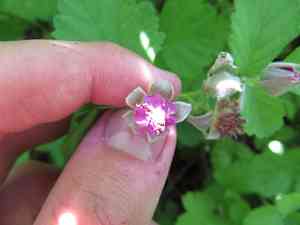
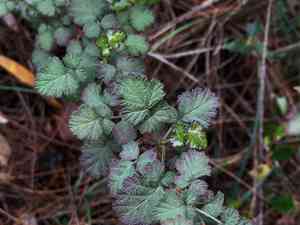
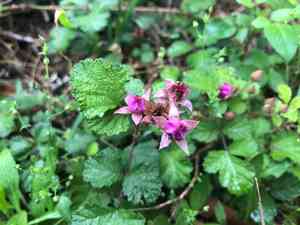
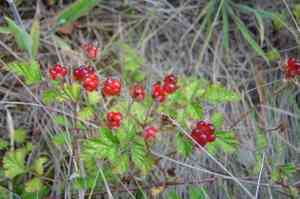
Rubus parvifolius can be identified by its thorny stems, small trifoliate leaves, and pink to red flowers that bloom in spring and summer. The plant produces edible red-black berries.

Scientific Classification of Japanese raspberry

Phylum
Vascular plants
Class
Dicotyledons
Order
Roses, elms, figs, and allies
Family
Rose
Genus
Brambles
Species
Japanese raspberry

Planting and Growing of Japanese raspberry

Care Difficulty
Easy
Watering Schedule
Every 3 days
Sunlight Requirements
Partial sun
Sunshine Duration
6-8 hours
Ideal Temperature
59-77℉
Soil Type
Potting Mix, Peat Mix
Soil pH
5.5-7.5
Fertilizer Type
Balanced
Pruning Season
Spring, Summer
Pruning Area
Branches, Leaves
Pruning Frequency
2 times a year
Repotting Season
Spring
Pot Type
Plastic, Ceramic

water icon How to Water Japanese raspberry?

Rubus parvifolius prefers consistent moisture without being waterlogged. Aim to provide about 250 ml of water per session, ensuring that the soil is evenly moist. Water until you see it draining from the bottom of the pot, but make sure the plant is not sitting in water as this can lead to root rot.
What are the symptoms of an underwatered Japanese raspberry?
What should I do if my Japanese raspberry is not getting enough water?
What are the symptoms of an overwatered Japanese raspberry?
How to save an overwatered Japanese raspberry?

sunlight icon What Are the Sunlight Requirements for Japanese raspberry?

Sunlight Requirements: Partial sun
Duration of light: 3-6 hours daily
Rubus parvifolius thrives in partial sun, enjoying the balance of light and shade. Ideal light fosters healthy growth, vibrant foliage, and a robust structure capable of producing flowers and fruit.
Best Position for Optimal Sunlight
Using Shade Covers
Changing Seasons Adaptations
More About Sunlight Requirements Techniques

temperature icon What Is the Ideal Temperature Range for Japanese raspberry?

Ideal Temperature: 59 ~ 77℉
Rubus parvifolius thrives best in temperatures ranging from 59°F to 77°F, which supports active growth and fruiting. Maintaining this temperature range ensures that the plant's photosynthesis, nutrient absorption, and overall health are optimized.

soil icon What Soil is Best for Japanese raspberry?

Soil type: Loam, Sandy loam, Acidic soil
Soil PH: 5.5 ~ 7.5
Rubus parvifolius thrives in nutrient-rich soil. Adequate organic matter ensures optimal growth by providing essential nutrients. Enhanced soil fertility directly boosts plant health and fruit production. This plant prefers soil that drains well to prevent root rot. Ensuring good drainage keeps the roots healthy by allowing excess water to escape, which is crucial for avoiding fungal infections. Rubus parvifolius does well in soil with moderate moisture. Consistent watering helps maintain soil moisture, promoting healthy root development and ensuring robust plant growth.

fertilize icon How to Fertilize Japanese raspberry?

Fertilizer type: Balanced
For Rubus parvifolius, it's crucial to avoid over-fertilizing. Generally, apply 1-2 teaspoons of balanced liquid fertilizer monthly during the growing season. In terms of solid fertilizer, use approximately 2-4 ounces annually. Remember, less is often more when it comes to caring for this plant.

prune icon How to Prune Japanese raspberry?

Pruning Time: Spring, Summer
Begin by removing any dead or damaged canes at the base. This helps prevent disease and allows the plant to focus energy on healthy, fruit-bearing canes. Identify areas where the canes are overcrowded. Selectively remove weaker canes to improve air circulation and sunlight penetration, which boosts overall plant health and fruit production. Trim back the tips of the new canes slightly. This encourages branching, resulting in more lateral growth, which can lead to increased fruit yield in the following season. More About Pruning Techniques

propagate icon How to Propagate Japanese raspberry plant?

Propagate Time: Spring, Early Summer, Late summer, Early autumn
1
Collect ripe seeds from mature Rubus parvifolius plants. Ensure that the seeds are thoroughly cleaned and dried before storing or planting. Cleanliness is crucial to prevent fungal growth or diseases that can affect germination.
2
Select healthy stems for cutting, ideally those that are semi-hardwood. Cut sections about 10-15 cm long, ensuring that each has at least a couple of nodes. Properly timing the collection of cuttings can significantly impact the success rate.
3
Choose a flexible stem close to the ground and gently bend it without breaking. Make a small cut in the middle and cover the wounded part with soil. Secure it with a pin or stone to hold it in place until it roots.
More About Propagating Techniques

repot icon How to Repot Japanese raspberry plant?

Repotting frequency: Every 2-3 years
1
Look for signs like roots growing out of the drainage holes, soil becoming compacted, or reduced plant growth to determine repotting time.
2
Select a pot that is one size larger with plenty of drainage holes. This prevents waterlogging and allows the root system to expand comfortably, promoting healthier growth.
3
Use a well-draining loamy soil mix with organic matter to ensure proper aeration and moisture retention, aiding in robust plant health and minimizing root rot risks.

ForwardPlant - Identify plants with a snap

Find the best spots for them to optimize their health, simply using your phone.

Try for Free

Toxicity of Japanese raspberry

Is Japanese raspberry toxic to humans?

The Japanese raspberry presents a slight toxicity threat to humans mainly through the consumption of its seeds. Although the plant has edible portions, it is the seeds that harbor compounds capable of triggering negative reactions within the body. Eating the toxic seeds may lead to a variety of symptoms indicative of mild poisoning. These symptoms may encompass gastrointestinal distress, including nausea and vomiting, along with possible irritation of the mouth and throat. It is crucial for individuals, particularly those who gather or eat wild berries, to recognize the hazards linked to the seeds of the Japanese raspberry in order to avoid unintentional consumption and the subsequent emergence of these undesirable symptoms.

Is Japanese raspberry toxic to cat?

Japanese raspberry exhibits a low toxicity level for cats. If a cat ingests the seeds of this plant, identified as the toxic components, it may experience various symptoms of physical distress. Given that cats frequently ingest items unintentionally, it is vital for cat owners to keep the seeds of the japanese raspberry out of their pets' reach. Although the exact toxic compounds have not been identified, the reactions to ingestion can differ among individual cats. Should your cat display any signs of illness following possible exposure to japanese raspberry, it is imperative to take them to a veterinary clinic without delay for suitable treatment.

Is Japanese raspberry toxic to dog?

The plant species known as japanese raspberry exhibits a mild toxicity level concerning dogs. If dogs accidentally consume this plant, particularly its seeds—which are the most toxic components—they may suffer from poisoning. Following the ingestion of parts of the japanese raspberry, dogs could display symptoms that suggest poisoning. These symptoms can range from gastrointestinal disturbances to more serious reactions, depending on the quantity consumed and the individual dog's level of sensitivity. Therefore, it is essential for dog owners to keep a close watch on their pets and restrict their access to japanese raspberry, especially in areas where the seeds may be found. Should a dog accidentally ingest any part of the japanese raspberry, it is critical to seek immediate veterinary care to safeguard the animal’s health and well-being.

Identify toxic plants for your safety

Learn which plants are harmful to you and your pets, and make informed choices for a safer home!

Try for Free
WARNING
The judgment on toxicity and danger is for reference only. We DO NOT GUARANTEE any accuracy of such judgment. Therefore, you SHALL NOT rely on such judgment. It is IMPORTANT TO SEEK PROFESSIONAL ADVICE in advance when necessary.
More About Toxic Techniques