How to Propagate Japanese raspberry?
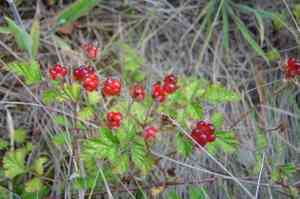
Japanese raspberry flourishes most effectively when reproduced via stem sections. To achieve the best outcomes, choose robust, non-blooming stalks to enhance the probability of successful root formation. Sever a portion of the stem that encompasses multiple leaves and a minimum of one node. Insert the cutting into a well-aerated potting blend or a sand-perlite mixture to avert excessive moisture, making sure the node is beneath the surface for root growth. Maintain consistent soil dampness and offer diffused light until the root system is firmly established.
Optimal Time for Japanese Raspberry Propagation?
Propagation Method
Cutting
Propagation Period
Autumn,Winter
Tools for Japanese Raspberry Propagation?
Pruning Shears
Pruning shears are vital for taking cuttings from japanese raspberry. Sharp, clean shears ensure a precise cut, minimizing harm to the parent plant and boosting the chances of successful rooting. Sterilizing blades before each cut is crucial to prevent disease spread.
Rooting Hormone
Rooting hormone powder or gel is highly recommended to improve root development in japanese raspberry cuttings. This hormone stimulates root growth from the cut stem, increasing propagation success. Apply according to product instructions, typically by dipping the cutting's base before planting.
Planting Pots
Small to medium-sized pots filled with a well-draining, sterile soil mix are perfect for planting japanese raspberry cuttings. These pots offer a controlled setting for root establishment. Adequate drainage holes are necessary to prevent waterlogging, which can cause root rot.
Potting Mix
A light, sterile, well-draining potting mix is essential for rooting japanese raspberry cuttings. A propagation-specific mix, often containing peat moss and perlite or vermiculite, provides ideal moisture and aeration, encouraging root growth without excessive water retention.
Misting Bottle
A misting bottle is useful for maintaining high humidity around japanese raspberry cuttings during early rooting. Regular misting prevents drying out, especially in arid conditions. Adequate moisture is key for successful rooting, while avoiding saturation that could lead to fungal issues.
How to Propagate Japanese Raspberry?
Propagation Difficulty
Moderately Difficult
Caring for Newly Propagated Japanese Raspberry?
Caring for Newly Propagated Japanese Raspberry?
Once roots are established, gradually introduce japanese raspberry to lower humidity by progressively removing the plastic cover over a week. When new growth appears, begin feeding with a balanced, diluted liquid fertilizer bi-weekly. Transplant young japanese raspberry plants into larger pots or their final garden spot. Ensure they are in well-drained soil with partial shade, and water regularly to keep the soil moist, especially during dry periods. Mulch around the base to retain moisture and suppress weeds.
Common Propagation Mistakes for Japanese Raspberry
Over-watering
Excessive watering, particularly during the rooting phase, can lead to root rot and fungal diseases for japanese raspberry. This can significantly hinder root development and decrease the survival rate of propagated cuttings.
Using non-sterile tools
Cutting japanese raspberry with unsterilized gardening tools can introduce pathogens, causing diseases that harm the plant's growth and vitality. This increased disease transmission can result in unhealthy or dead cuttings.
Ignoring humidity
Japanese raspberry cuttings require a high humidity environment for root establishment. Failing to provide a moist atmosphere can lead to desiccation and reduced root formation, ultimately affecting the plant's overall health and viability.
Tips For Propagating Japanese Raspberry
Use root-promoting hormones
Applying rooting hormones to the cut end of japanese raspberry cuttings can enhance root development and increase propagation success. This promotes healthier, more robust root systems, facilitating better establishment when planted.
Provide indirect light
Japanese raspberry benefits from indirect sunlight during the initial propagation stages. Direct sunlight can cause excessive heat and light stress, whereas indirect light supports steady, healthy growth without scorching delicate new cuttings.
Maintain ideal soil conditions
Propagating japanese raspberry in well-drained, fertile soil helps prevent waterlogging and related root problems. Ensuring the soil is loose and rich in organic matter supports optimal root growth and overall plant health during critical early development stages.



