How to Transplant Hirsute raspberry?
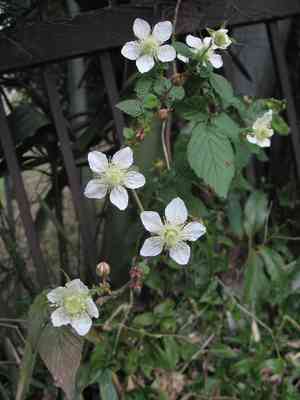
For hirsute raspberry, the ideal period for transplanting is when plant life subtly emerges, from the beginning to the end of spring, allowing roots to settle prior to summer. Choose a location featuring soil that drains effectively and offers partial shade. Ensure continuous hydration after moving the plant for the best results.
What Preparations are Needed Before Transplanting Hirsute Raspberry?
What is the Ideal Time for Transplanting Hirsute Raspberry?
The best period for relocating hirsute raspberry extends from early spring's onset through late spring's gentle arrival. This timeframe is crucial as it enables hirsute raspberry to establish roots in cooler, damp soil, avoiding winter's harshness or summer's peak heat. By transplanting during this season, hirsute raspberry benefits from the long growing period ahead, ensuring vigorous development and a plentiful yield. This timing also aligns with hirsute raspberry's natural growth cycle, improving adaptation and reducing plant stress.
How Much Space Should You Leave Between Hirsute Raspberry Plants?
When providing your hirsute raspberry with new homes, ensure they have ample room to thrive! Aim for a spacing of approximately 3-4 feet (91-122 cm) between them. This guarantees each hirsute raspberry can spread its roots and foliage without competing for space or sunlight.
What is the Best Soil Mix for Hirsute Raspberry Transplanting?
For your hirsute raspberry, select a soil rich in organic matter that drains effectively. Incorporating compost is an excellent idea to provide them with a nourishing start. A balanced fertilizer, such as a 10-10-10 blend, can also lay the groundwork for healthy growth.
Where Should You Relocate Your Hirsute Raspberry?
Hirsute raspberry enjoys soaking up the sun but appreciates some afternoon shade. Choose a location that receives full to partial sunlightâabout 6-8 hours daily. This ideal balance helps hirsute raspberry produce those delightful berries!
What Equipments Should You Prepare Before Transplantation Hirsute Raspberry?
Gardening Gloves
To safeguard your hands while handling soil and plants.
Shovel or Spade
To excavate the plant with minimal disruption to its root system.
Garden Fork
To loosen the soil around the plant's roots if necessary.
Hand Trowel
For more precise tasks or smaller hirsute raspberry specimens.
Pruning Shears
To trim any damaged roots or excessive foliage prior to transplanting.
Wheelbarrow or Garden Cart
To move the hirsute raspberry plant and its soil to the new site.
Watering Can or Hose
To irrigate the hirsute raspberry at both its original and new locations.
Mulch
To aid in retaining soil moisture and suppressing weed growth around the new planting area.
How Do You Remove Hirsute Raspberry from the Soil?
How Do You Remove Hirsute Raspberry from the Soil?
From Ground: First, water the hirsute raspberry plant to moisten the soil, making it easier to work with. Use a shovel or spade to dig a wide circle around the plant, ensuring you go deep enough to keep the root ball intact. Gently pry beneath the root ball with the shovel or spade to lift the hirsute raspberry from the ground.From Pot: Water the hirsute raspberry's soil in the pot beforehand to facilitate the removal process. Tilt the pot sideways and gently tap or press on its sides to loosen the hirsute raspberry. Support the plant by its base and carefully ease it out of the pot, taking care not to pull on the stems or leaves.From Seedling Tray: If the hirsute raspberry is in a seedling tray, gently press from the bottom of the tray to push the seedling up without harming the roots. Use a hand trowel to assist with the lift if needed, and handle the seedling by its leaves rather than its more delicate stem.
Step-by-Step Guide for Transplanting Hirsute Raspberry
Digging the Hole
Excavate a hole in the ground that is twice the width of the hirsute raspberry's root ball and of equal depth. The wider hole will facilitate root expansion into the surrounding soil.
Preparing the Plant
If relocating the hirsute raspberry from the ground, ensure the root ball is intact and free of excess soil. If from a pot or tray, gently untangle the roots if they are pot-bound to encourage outward growth into the new soil.
Placement
Position the hirsute raspberry in the center of the hole at the same depth it was previously growing. Ensure it stands upright and begin to backfill the hole with the excavated soil, gently firming it down around the roots to eliminate air pockets.
Watering
Once planted, thoroughly water the hirsute raspberry to settle the soil around the roots and help alleviate transplant shock.
Stabilizing
Add support if the hirsute raspberry plant is tall or if the location is prone to strong winds. Use garden stakes and soft ties to secure the plant without causing damage.
How Do You Care For Hirsute Raspberry After Transplanting?
Watering
Maintain consistent moisture in the soil around the hirsute raspberry for the initial few weeks post-transplant, allowing the roots to establish.
Mulching
Apply a layer of mulch around the base of the hirsute raspberry to retain moisture and minimize soil temperature fluctuations.
Pruning
Trim any damaged or diseased branches to help the hirsute raspberry direct its energy towards root establishment rather than repairing above-ground damage.
Monitoring
Regularly inspect the plant for signs of distress, such as wilting or discolored leaves, and promptly address any issues.
Support
Ensure any supports are functioning correctly and adjust as the hirsute raspberry grows to prevent constriction of stems or branches.
Troubleshooting Common Issues with Hirsute Raspberry Transplantation.
Why is my hirsute raspberry not thriving after transplant?
Ensure it's planted in well-draining soil with ample sunlight, and watered appropriately without being waterlogged.
How deep should I plant hirsute raspberry?
The root ball should be planted at the same depth it grew previously, typically 2 inches (5 cm) below soil level.
What's the ideal time to transplant hirsute raspberry?
Optimal transplant timing is from the awakening of spring to the cusp of summer when growth resumes.
How much space do I leave between hirsute raspberry plants?
Space hirsute raspberry about a stride's length apart, 3-4 feet (0.9-1.2 meters), to allow for ample growth.
What should I do if leaves wilt post-transplant?
Provide shade and moisture. Wilted leaves can indicate shock; keep the soil consistently moist to help recovery.
Should I prune hirsute raspberry when transplanting?
Prune only damaged or dead canes. Over-pruning can stress hirsute raspberry and hinder establishment in its new location.
Can hirsute raspberry be transplanted in full sun?
Yes, hirsute raspberry thrives in full sun but ensure it's watered more frequently to establish roots without drying out.
What if my hirsute raspberry shows no new growth after transplanting?
Be patient, as it may be establishing roots. Ensure optimal care, and check for signs of pests or disease.
How do I prepare the soil for transplanting hirsute raspberry?
Work the soil to a depth of 8-10 inches (20-25 cm), enrich with compost, and ensure it's free from weeds.
What is the proper way to water hirsute raspberry after transplanting?
Water deeply to encourage root growth. Keep the soil moist but not waterlogged, especially during dry spells.



