How to Prune Hirsute raspberry?
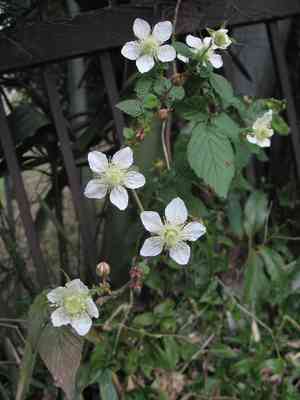
Known for its spiky stalks and palatable berries, hirsute raspberry greatly benefits from trimming. To sustain its well-being and robustness, eliminate deceased or ailing canes, reduce older shoots, and snip back the ends to encourage new branches. The ideal period for pruning is late winter or early spring, while the plant is inactive, to lessen damage and encourage fresh development. Trimming boosts berry yield and simplifies gathering by improving air movement and light exposure throughout the plant's framework.
What Are the Benefits of Pruning Hirsute Raspberry?
What Are the Benefits of Pruning Hirsute Raspberry?
Trimming hirsute raspberry promotes robust development and maintains its form, leading to a stronger plant structure that can boost fruit production and enhance its visual appeal.
What Is the Best Time for Pruning Hirsute Raspberry?
What Is the Best Time for Pruning Hirsute Raspberry?
Trimming hirsute raspberry in late winter or early spring is optimal as these periods precede its active growth, allowing for rapid healing and energy redirection into new development. This timing avoids cutting during flowering and fruiting, which could decrease yield. Late winter pruning facilitates the removal of dead or damaged wood before new leaves emerge, simplifying the process and improving visibility. Early spring pruning also helps shape the plant and stimulates healthy new growth for the upcoming fruit season. It's crucial to prune while the plant is dormant to minimize stress and prevent sap loss common in warmer months.
What Tools Do I Need to Prune Hirsute Raspberry?
Hand Pruners
Perfect for making precise cuts and trimming smaller stems on hirsute raspberry.
Loppers
Suitable for cutting thicker canes of hirsute raspberry that hand pruners cannot manage, thanks to their longer handles and increased leverage.
Pruning Saw
Essential for removing mature, woody growth of hirsute raspberry when branches are too thick for loppers.
How to Prune Hirsute Raspberry
Clean And Sharpen
Before beginning to prune hirsute raspberry, ensure all pruning tools are clean and sharp. This helps prevent disease spread and creates cleaner cuts, which are better for the plant's health.
Remove Diseased Material
Carefully inspect hirsute raspberry for any diseased leaves and branches. Use sterilized pruning shears to remove these parts first to prevent infection from spreading.
Trim Withered Leaves
Next, prune withered leaves. These are leaves that have dried but not yet fallen. Snipping them away helps hirsute raspberry reallocate energy to healthier growth.
Prune Dead Branches
Identify and cut away dead branches from hirsute raspberry. Make clean cuts at a 45-degree angle just above a healthy bud or lateral branch to encourage vigorous new growth.
Dispose Of Trimmings
After pruning, carefully gather all removed material (diseased leaves, withered leaves, dead branches) and dispose of them away from hirsute raspberry to prevent potential re-infection or disease spread.
Common Pruning Mistakes with Hirsute Raspberry
Improper Tools
Using dull or dirty pruning tools can harm the canes of hirsute raspberry, potentially leading to diseases and stunted growth.
Excessive Pruning
Removing too much foliage or too many canes at once can stress hirsute raspberry and reduce its fruit production capacity.
Pruning Live Canes Indiscriminately
Cutting without distinguishing between dead and live canes can result in the removal of productive canes essential for the next season's growth.
Ignoring Plant Structure
Pruning without understanding hirsute raspberry's growth habit can lead to insufficient airflow and sunlight penetration, crucial for healthy plant development and fruit yield.
Neglecting Sanitation
Failing to clear clippings and debris from the area around hirsute raspberry increases the risk of pests and diseases.
Common Pruning Tips for Hirsute Raspberry
Choose The Right Time
Prune hirsute raspberry when it is not producing flowers or fruits to avoid disrupting its natural growth and reproduction cycle.
Sterilize Equipment
Before and after pruning hirsute raspberry, sanitize tools to prevent the spread of disease.
Prune Selectively
Identify and remove only dead, diseased, or damaged canes to encourage hirsute raspberry to produce strong new growth.
Shape For Growth
Trim hirsute raspberry to maintain an open structure, allowing for adequate airflow and light penetration, ensuring canes are evenly spaced.
Support Regeneration
Prune old canes that have already fruited down to ground level to make space for new canes that will bear fruit next season.



