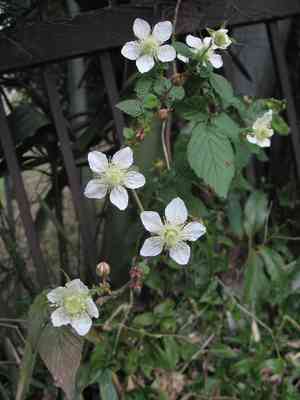
Hirsute raspberry (Rubus hirsutus)
Also known as: Hirsute Raspberry
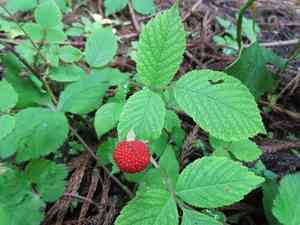
The hirsute raspberry (Rubus hirsutus) is a shrub that typically reaches heights of 1.8 to 2 meters. It shares the characteristic prickly stems common to the Rubus genus, which includes dewberries, raspberries, and blackberries. The plant produces edible red fruits and is distinguished by its hairy stems and leaves. Native to East Asia, it can be found in countries such as China, Japan, and Korea, thriving particularly well in forested and mountainous regions.
In This Article
Attributes of Hirsute raspberry
Lifespan
Perennial
Plant Type
Shrub
Plant Height
1 m to 2 m
Spread
1-2 meters
Leaf Color
Green
Flower Size
3 cm to 4 cm
Flower Color
White
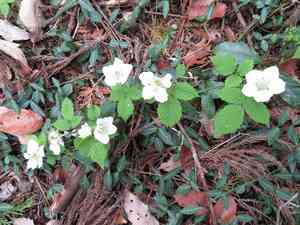
Images of Hirsute raspberry
Quickly Identify Hirsute raspberry
1
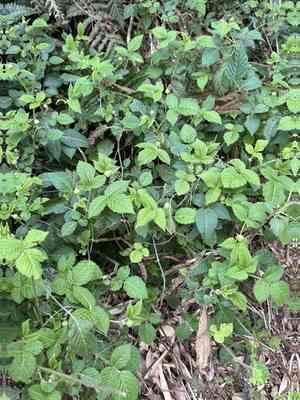
Compound leaves with 3-7 lanceolate leaflets covered in soft hairs.
2
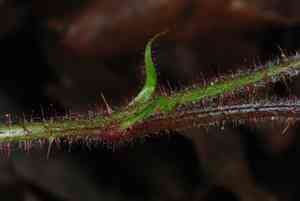
Reddish brown terete stems with sparse, curved prickles and stalked glands.
3
White star-shaped flowers with delicate arrangement of five petals.
4
Round berries, 1/3-3/4 inch in diameter, ripe when deep in color.
5
Deciduous shrub reaching 6-7 feet tall, adapts to various soil types.
Scientific Classification of Hirsute raspberry
Phylum
Vascular plants
Class
Dicotyledons
Order
Rosales
Family
Rose
Genus
Brambles
Species
Hirsute raspberry
Planting and Growing of Hirsute raspberry
Care Difficulty
Moderate
Watering Schedule
Every 3 days
Sunlight Requirements
Full sun
Sunshine Duration
8-12 hours
Ideal Temperature
60-75℉
Soil Type
Potting Mix, Peat Mix
Soil pH
6.5-7.5
Fertilizer Type
Balanced
Pruning Season
Spring, Summer
Pruning Area
Branches, Leaves
Pruning Frequency
2 times a year
Repotting Season
Spring
Pot Type
Terracotta, Plastic
 How to Water Hirsute raspberry?
For Rubus hirsutus, ensuring the right amount of water is crucial. Water the plant with approximately 500 ml each time. The soil should be moist but not waterlogged, allowing sufficient drainage to prevent root rot. Always aim for a balance to maintain healthy growth.
What are the symptoms of an underwatered Hirsute raspberry?
›
What should I do if my Hirsute raspberry is not getting enough water?
›
What are the symptoms of an overwatered Hirsute raspberry?
›
How to save an overwatered Hirsute raspberry?
›
 What Are the Sunlight Requirements for Hirsute raspberry?
Rubus hirsutus prefers full to partial sun, ideally receiving four to six hours of light daily. Proper light promotes healthy growth, enhances fruit yield, and strengthens the plant's resistance against environmental stressors.
More About Sunlight Requirements Techniques→
What is the ideal amount of sunlight for Rubus hirsutus?
›
How can you provide ideal lighting for Rubus hirsutus?
›
What are the benefits of perfect sunlight exposure for Rubus hirsutus?
›
 What Is the Ideal Temperature Range for Hirsute raspberry?
The ideal temperature range for Rubus hirsutus is between 60°F and 75°F. This range supports optimal growth and health, ensuring the plant can photosynthesize efficiently and absorb nutrients effectively. Providing these temperature conditions will help maintain vibrant foliage and enhance fruit production.
 What Soil is Best for Hirsute raspberry?
Rubus hirsutus prefers soils that retain moisture well without becoming waterlogged. This ensures the roots remain hydrated, promoting healthy growth and fruit production. Consistent moisture helps the plant absorb essential nutrients effectively. While it likes moisture, Rubus hirsutus also requires soil with good drainage. Excessive water can lead to root rot and other fungal diseases. Well-drained soil helps prevent these issues, ensuring the plant remains vigorous and healthy. The soil should be rich in organic matter to supply the necessary nutrients. Organic matter not only provides nutrition but also improves soil structure and aeration, which is crucial for root development and overall plant health.
 How to Fertilize Hirsute raspberry?
When it comes to fertilizing Rubus hirsutus, less is often more. Each liquid feeding should involve a dilute solution, using only one-quarter strength of a balanced liquid fertilizer. Solid, slow-release fertilizers should be applied at a rate of about 30 grams per plant annually to avoid over-fertilization.
 How to Prune Hirsute raspberry?
Identify canes that are dead or diseased and cut them back to ground level. This helps prevent the spread of disease and allows space for new growth, improving the overall health of the plant. Identify the weaker or overcrowded canes and remove them to improve light penetration and air circulation. Aim for a spacing of approximately 6-8 inches between the remaining canes. After the plant has fruited, cut back the fruiting canes to ground level. This encourages the plant to direct its energy towards the growth of new canes for the next season's crop.
More About Pruning Techniques→
 How to Propagate Hirsute raspberry plant?
1
Harvest mature fruits from the plant and extract the seeds. Clean them thoroughly to remove any pulp. Allow the seeds to dry in a cool, shaded area before sowing them to prevent mold or rot.
2
Select healthy stems and cut them into 15cm sections. Remove lower leaves to prevent rot and increase water absorption. Dip the cut end in rooting hormone before planting in a prepared medium.
3
Choose a flexible stem from the plant and gently bend it to the ground. Cover part of the stem with soil, leaving the tip exposed. Secure the buried section with a stone or a peg, and water it regularly.
 How to Repot Hirsute raspberry plant?
1
Rubus hirsutus signals its need for repotting when roots start poking through the drainage holes or if growth seems stunted despite adequate care. This generally occurs every two to three years. Spring and autumn are the optimal seasons for repotting, as the plant is not under extreme temperatures, allowing it to adapt to new conditions with minimal stress.
2
Select a pot that is one or two sizes larger than the current one, ensuring a couple of inches of extra space for root expansion. The pot should have good drainage systems to prevent waterlogging, which can lead to root rot. A clay or terracotta pot can be beneficial as they are porous and provide better aeration to the roots, assisting in healthy growth.
3
Opt for well-drained and loamy soil to encourage vibrant growth of Rubus hirsutus. This blend offers excellent aeration and water retention capacity, reducing the risk of waterlogging while supplying essential nutrients. Adding organic matter like compost can further enhance the soil's fertility and structure, ensuring your plant thrives in its new environment.



