Enhancing Your Garden Design with the Hirsute raspberry Plant: A Landscaping Guide
1
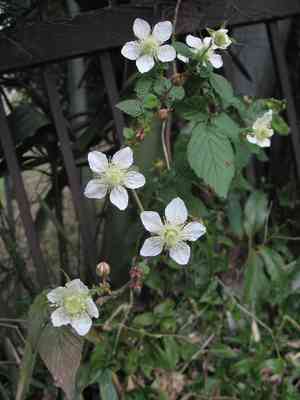
The Hirsute raspberry is an environmentally beneficial plant that aids native fauna.
2
Hirsute raspberry's aesthetic charm can turn any outdoor area into a lively environment.
3
With appropriate care and positioning, Hirsute raspberry can become an enduring feature in your garden.
Why Incorporate Hirsute Raspberry into Your Garden?
Aesthetic Appeal: Beautifying Your Outdoor Space with Hirsute Raspberry
Introducing Hirsute raspberry to your garden instantly boosts its visual charm. With its lush leaves and bright berries, Hirsute raspberry acts as a striking focal point. This plant's soft textures and appealing hues add depth and dimension to garden beds and borders. It flourishes in both natural and formal settings, making it a versatile choice for various garden styles. Whether you desire a rustic feel or a more refined look, Hirsute raspberry integrates seamlessly, offering a touch of nature's elegance.
Eco-Friendly Option: The Environmental Advantages of Hirsute Raspberry
Hirsute raspberry proves to be an environmentally conscious addition to your landscape. Its capacity to attract pollinators like bees and butterflies supports the local ecosystem, contributing to biodiversity. The plant also aids in soil stability, preventing erosion with its robust root system. Furthermore, Hirsute raspberry can improve air quality by absorbing pollutants and releasing oxygen. By cultivating Hirsute raspberry, you are not only enhancing your garden but also nurturing the environment in small yet significant ways.
Sustainability: How Hirsute Raspberry Supports Eco-Conscious Gardening
Sustainability is a core principle of modern gardening, and Hirsute raspberry aligns perfectly with this philosophy. This resilient plant requires minimal water once established, making it a drought-tolerant selection. It offers natural pest resistance, reducing the need for chemical interventions and promoting organic gardening methods. By integrating Hirsute raspberry into your garden, you embrace a plant that adheres to sustainable principles, benefiting both your garden and the wider environment.
Beginning Your Hirsute Raspberry Journey in the Garden
Choosing the Ideal Spot: Where to Plant Hirsute Raspberry
The secret to a thriving Hirsute raspberry lies in selecting the best location. This plant prefers areas with ample sunlight, which encourages vigorous growth and abundant berry production. However, Hirsute raspberry can also endure partial shade, offering flexibility in placement. Consider planting Hirsute raspberry along garden edges, next to pathways, or as part of mixed borders. Ensure the chosen site has well-draining soil to prevent waterlogging, which can harm the plant's roots. Proper site selection establishes the foundation for a flourishing and visually pleasing garden.
Soil Preparation: Advice for Maximizing Growth
Preparing the soil is vital for the successful cultivation of Hirsute raspberry. This plant thrives in loamy, well-draining soils rich in organic matter. Before planting, enrich the soil with compost or well-rotted manure to boost its fertility and structure. Conduct a soil pH test to ensure a slightly acidic to neutral range, around 6.0 to 7.0, as Hirsute raspberry prefers these conditions. Properly prepared soil enhances the plant's growth, making it more resistant to environmental stressors.
Planting Methods: Best Practices for Installing Hirsute Raspberry
Effective planting techniques can set Hirsute raspberry on a path to success. Start by digging a hole twice the width of the root ball and of equal depth. Position Hirsute raspberry in the hole, spreading the roots out evenly. Backfill with soil, gently firming it around the base to eliminate air pockets. Water thoroughly after planting to settle the soil and provide immediate moisture to the roots. Applying a layer of mulch around the base can retain soil moisture and suppress weeds, promoting robust growth.
Care and Upkeep Tips for a Flourishing Hirsute Raspberry
Watering Schedule: Key Advice for Hydrating Hirsute Raspberry
Consistent watering is crucial for the health of Hirsute raspberry. Initially, maintain a regular watering routine to help the plant develop strong roots. Once established, Hirsute raspberry prefers moderate watering; it's important to keep the soil moist but not saturated. During dry periods or in arid climates, increase watering frequency to prevent drought stress. Mulching around the base can also assist in moisture retention, ensuring that Hirsute raspberry remains hydrated throughout the growing season.
Pruning Techniques: Keeping Hirsute Raspberry Healthy and Productive
Pruning is essential to maintain the health and productivity of Hirsute raspberry. Regularly remove dead, damaged, or diseased branches to promote air circulation and reduce the risk of infections. During its dormant period, perform a more significant prune to shape the plant and encourage new growth. Selectively thinning out dense areas prevents overcrowding, ensuring sunlight reaches all foliage. Proper pruning not only improves the plant's form but also boosts its berry yield.
Seasonal Care: Adjusting Maintenance with the Changing Seasons
Hirsute raspberry requires varied care strategies as the seasons progress. In spring, focus on nurturing growth with balanced fertilizers. Summer demands diligent watering and pest monitoring. Fall is the time to prepare Hirsute raspberry for colder months by reducing water and stopping fertilization. Mulch the base to insulate roots during winter, protecting the plant against harsh conditions. By adapting your care routine seasonally, you help Hirsute raspberry thrive all year long.
Utilizing Hirsute Raspberry for a Dynamic Landscape Design
Companion Planting: Complementary Flora for Hirsute Raspberry
To create a cohesive and vibrant garden, pair Hirsute raspberry with suitable companion plants. Consider partners like ferns, hostas, or wildflowers that thrive in similar conditions. These plants not only enhance the aesthetic appeal but also support a diverse and healthy ecosystem. When choosing companion plants, ensure they have similar water and light requirements to Hirsute raspberry. Strategic pairing results in a harmonious and visually stunning landscape.
Creating Focal Points: Using Hirsute Raspberry as a Central Feature
Hirsute raspberry can serve as a magnificent centerpiece in your garden design. Its unique characteristics and vibrant berries draw the eye, making it an ideal focal point. Position Hirsute raspberry in prominent locations, such as the center of a garden bed or as a standalone specimen. Surround it with low-growing plants or groundcovers to accentuate its presence. The contrasting textures and colors create a visual narrative, making your garden a dynamic and engaging space.
Enhancing Outdoor Areas: Practical Applications of Hirsute Raspberry in Landscape Design
Hirsute raspberry can enhance a variety of outdoor spaces with its adaptability. Use it to create natural borders along pathways or garden edges, providing structure and definition. Plant Hirsute raspberry near patios or sitting areas, where its beauty can be appreciated up close. Additionally, Hirsute raspberry can be used in wildlife gardens to attract beneficial insects and birds. Its versatility allows it to fit into various roles, making it a valuable asset in landscape design.



