How to Transplant Northern dewberry?
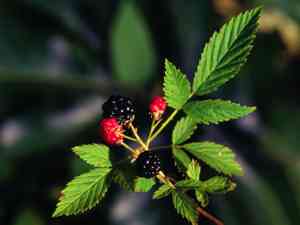
Relocate northern dewberry in late spring or early summer, its period of robust development, to ensure the best root integration. Select a site that receives full sun to partial shade and has soil that drains effectively. Provide sufficient room for its spreading habit when positioning northern dewberry.
What Preparations are Needed Before Transplanting Northern Dewberry?
What is the Ideal Time for Transplanting Northern Dewberry?
The optimal period for moving northern dewberry is during the mild conditions of late spring to early summer. This timeframe is selected for its moderate weather, which encourages strong root development without the stress of extreme temperatures. Additionally, transplanting northern dewberry aligns with their natural growth cycle, ensuring they adapt comfortably to their new location. This timing maximizes the plant's potential for vigor and health, providing it with the best start in its fresh environment.
How Much Space Should You Leave Between Northern Dewberry Plants?
Allow northern dewberry ample room! When relocating, position them approximately 3-5 feet (0.9-1.5 meters) apart. This spacing will provide sufficient area for their growth and flourishing.
What is the Best Soil Mix for Northern Dewberry Transplanting?
For northern dewberry, a well-draining loamy or sandy soil is most suitable. Prepare the soil by incorporating some compost or a basic slow-release fertilizer, enriching the foundation for healthier development.
Where Should You Relocate Your Northern Dewberry?
Northern dewberry thrives in abundant sunlight! Aim to find a spot where it will receive full sun for the majority of the day. Remember, adequate sunlight significantly contributes to its overall well-being.
What Equipments Should You Prepare Before Transplantation Northern Dewberry?
Gardening Gloves
These protect your hands from thorns or sharp parts of the northern dewberry, as well as from soil and potential pests.
Shovel or Spade
This tool is used to excavate an appropriate hole for the northern dewberry's root ball and to dislodge the plant from its original spot.
Gardening Fork
Useful for aerating soil and assisting in the removal of the plant without harming its roots.
Wheelbarrow or Plant Dolly
Helpful for transporting the northern dewberry from its initial location to the new planting site without strain.
Watering Can or Hose
Required to hydrate the plant immediately following transplantation.
Mulch
This helps maintain soil moisture and suppress weed growth around the plant's base.
Stakes and Ties
For larger or mature northern dewberry plants that may require support after relocation.
How Do You Remove Northern Dewberry from the Soil?
How Do You Remove Northern Dewberry from the Soil?
From Ground: First, thoroughly water the northern dewberry plant the day before to loosen the soil. Use a spade or shovel to dig a wide circle around the plant, ensuring enough distance to avoid damaging the root system. Carefully lift the plant from its original position.From Pot: Before removal, water the northern dewberry plant to ease the transition. Turn the pot sideways, gently hold the plant by its stems, and tap the bottom of the pot until the plant slides out. Avoid pulling the plant, as this may harm the roots.From Seedling Tray: Moisten the soil then gently extract the northern dewberry seedling by lifting from its leaves to prevent damage to the stem or roots.
Step-by-Step Guide for Transplanting Northern Dewberry
Size of Hole
Excavate a hole that is twice as wide and the same depth as the northern dewberry plant's root ball.
Placing the Plant
Position the northern dewberry in the hole, ensuring the top of the root ball is level with the surrounding soil. Avoid planting too deeply, as this could lead to stem rot.
Filling the Hole
Backfill the hole with soil, gently patting it around the plant's base.
Watering
Thoroughly water the plant. The soil should be moist but not waterlogged.
Mulching
Apply a layer of mulch around the plant, but keep it away from the stems.
How Do You Care For Northern Dewberry After Transplanting?
Regular Watering
Water northern dewberry plant consistently, but ensure the soil drains effectively. Excessive watering can cause root rot.
Pruning
Prune the plant during Spring in the first year after transplanting. This will encourage a bushier and more compact growth habit.
Protect from extreme weather
Shield the northern dewberry plant from harsh weather conditions, especially frost, until it is fully established. Wrapping or covering the plant can prevent frost damage.
Continued Support
If the northern dewberry is a mature plant or a taller variety, it may require staking for support until its new roots are fully established.
Troubleshooting Common Issues with Northern Dewberry Transplantation.
What's the best time to transplant northern dewberry?
Ideally, northern dewberry should be moved in late summer to early fall (S3-S4). This allows the plant to establish roots before winter dormancy.
How much spacing is required when planting northern dewberry?
When relocating northern dewberry, ensure they are positioned 3-5 feet (0.9-1.5 m) apart. This provides ample room for growth and spread.
What's the proper depth for transplanting northern dewberry?
The transplanting depth for northern dewberry should match its previous growing depth. They should not be planted too deep.
What preparation is required before transplanting northern dewberry?
Northern dewberry prefers well-drained soil. Prepare your planting site by tilling the soil and adding organic matter like compost for improved drainage.
What exactly is the watering requirement after transplanting northern dewberry?
Keep the soil consistently moist during the initial weeks after transplanting northern dewberry to ensure proper root establishment. Avoid overwatering.
What should I do if my transplanted northern dewberry isnât looking well after its translocation?
Check if northern dewberry is receiving sufficient water, but not too much. Inspect for signs of pests or diseases and treat as needed.
Can we use fertilizer immediately after transplanting northern dewberry?
It's not advisable to fertilize immediately after transplanting northern dewberry. Wait a few weeks for the plant to settle, then apply a balanced fertilizer.
What should I do if northern dewberry starts wilting after transplanting?
Wilting can indicate transplant shock. Ensure northern dewberry receives appropriate water and shade, and consider using a transplant shock relief product.
How should I handle northern dewberry while transplanting to avoid any damage?
Handle northern dewberry gently during transplantation, taking care not to harm the root system. Use a garden trowel or spade for digging and lifting the plant.
Is it necessary to prune northern dewberry during transplanting?
Pruning is not essential, but it can be beneficial. Pruning northern dewberry during transplanting can allow the plant to focus more energy on root development.



