Optimal Fertilizer for Growing Northern dewberry: What You Need to Know
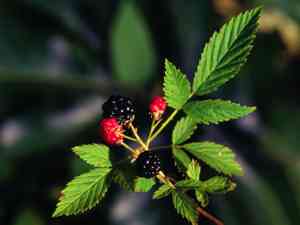
1
Northern dewberry plants flourish with a 10-10-10 balanced fertilizer given throughout their active growth period.
2
Observe for leaf curling or changes in foliage color as indicators your Northern dewberry might require nutrients.
3
The optimal period to begin fertilizing Northern dewberry is in spring, promoting robust development and abundant fruit production.
Understanding Northern Dewberry's Nutritional Requirements
Why Nourish Northern Dewberry?
Providing nutrients to Northern dewberry is crucial for promoting vigorous development and abundant fruit yield. Fertilizers supply vital elements that enhance plant vitality, ensure healthy foliage, and boost fruit production. Especially for plants in suboptimal soil, nutrient supplementation can be highly beneficial. By delivering essential nutrients like nitrogen, phosphorus, and potassium, you help your Northern dewberry plants flourish.
Indicators of Nutrient Deficiency in Northern Dewberry
Identifying signs of nutrient scarcity is vital for maintaining plant health. Common symptoms include yellowing leaves, stunted development, and poor fruit formation. If your Northern dewberry displays these issues, it might be time to enrich the soil with suitable fertilizers. Observe the plant's overall condition and growth patterns to determine if a nutrient boost is necessary.
Selecting the Appropriate Fertilizer for Northern Dewberry
Fertilizer Varieties Suitable for Northern Dewberry
Choosing the correct fertilizer type is paramount. Northern dewberry plants thrive with a balanced 10-10-10 fertilizer, which offers equal proportions of nitrogen, phosphorus, and potassium. This balance supports leaf growth, root development, and overall plant well-being. Liquid, granular, and slow-release fertilizers are all viable, but consistent application is key.
Organic vs. Synthetic Fertilizers: Which is Optimal?
Both organic and synthetic fertilizers offer advantages. Organic options, such as compost or manure, release nutrients gradually and enhance soil quality over time. Synthetic fertilizers provide immediate nutrient availability but may require more frequent applications. Consider your gardening approach and the specific needs of your Northern dewberry plants when deciding between organic and synthetic fertilizers. A combination of both can also provide a balanced strategy.
Methods and Timing for Fertilizing Northern Dewberry
Optimal Fertilization Periods for Peak Growth
Timing is critical when fertilizing Northern dewberry. Spring is the ideal season, coinciding with the plant's active growth phase. Beginning fertilization in early spring ensures plants receive necessary nutrients to thrive throughout the growing season. A second application in mid-summer can further support growth and fruit production.
Detailed Fertilization Procedure for Northern Dewberry
Nourishing your Northern dewberry is a simple process. Follow these steps for optimal outcomes:Prepare the Ground: Clear the area around the plant's base to ensure fertilizer reaches the roots.Measure Nutrients: Use the recommended amount based on product instructions. Typically, apply about 113 grams (1/4 pound) of 10-10-10 fertilizer per plant.Distribute Evenly: Spread the fertilizer uniformly around the plant, avoiding direct contact with stems or leaves to prevent burning.Water Thoroughly: Water the plants well after fertilizing to help nutrients penetrate the soil and reach the roots.Monitor Progress: Observe plant health and adjust fertilizer quantities as needed.
How Fertilizer Affects Northern Dewberry's Health
Expected Improvements from Proper Fertilization
Appropriate fertilization can lead to numerous enhancements in the health and yield of your Northern dewberry plants. Anticipate increased growth rates, more vibrant foliage, and a greater quantity of high-quality fruit. Well-nourished plants are more resistant to pests and diseases, making your gardening efforts more rewarding.
Potential Hazards of Excessive Fertilization
While fertilization is beneficial, over-fertilizing can be harmful. Too much fertilizer can cause nutrient imbalances, root burn, and diminished plant health. It's crucial to adhere to recommended guidelines and not exceed suggested amounts. Regular soil analysis can help you customize fertilizer applications to your plant's specific requirements, ensuring you don't overdo it.



