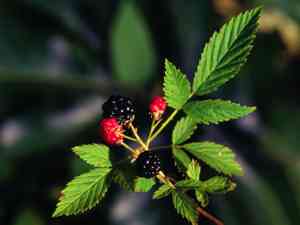
Northern dewberry (Rubus flagellaris)
Also known as: Northern blackberry, Lucretia dewberry, Dewberry
The blackcurrant (Ribes nigrum) is a perennial shrub related to the rose family. It has fragrant flowers that attract numerous bees for pollination. The edible berries of the blackcurrant are often used in making pies and jams.
In This Article
Attributes of Northern dewberry
Lifespan
Perennial
Plant Type
Shrub
Plant Height
20 cm to 30 cm
Spread
1.2 m to 1.8 m
Leaf Color
Green Blue
Flower Size
2.5 cm to 8 cm
Flower Color
White
Images of Northern dewberry
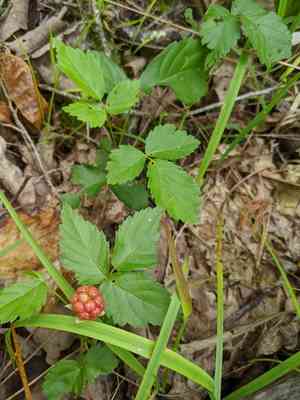
Quickly Identify Northern dewberry
1
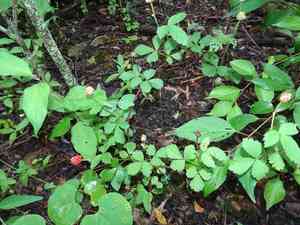
Trailing woody stems up to 15 feet (4.57 meters) long, rarely elevating above ground.
2
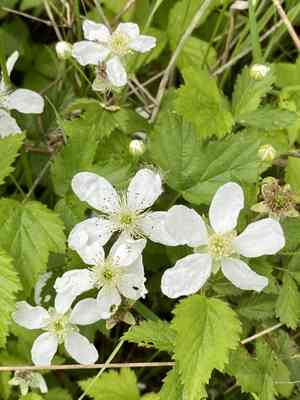
White flowers in corymbs with star-like appearance, 1-1.25 inches (2.5-3.2 cm) across.
3
Deep purple-black drupes with tart-sweet flavor, reaching 1 inch (2.54 cm) in length.
4
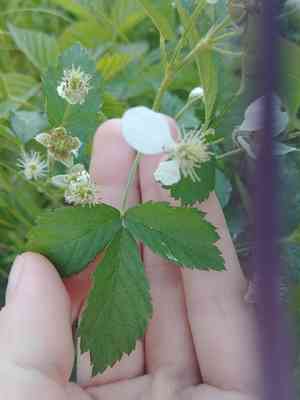
Compound trifoliate leaves with serrated edges and pale undersides, up to 3 inches (7.6 cm) across.
5
Slender stems with hooked prickles, maturing from green to brown, about 0.4 inches (1 cm) in diameter.
Scientific Classification of Northern dewberry
Phylum
Vascular plants
Class
Dicotyledons
Order
Rosales
Family
Rose
Genus
Brambles
Species
Northern dewberry
Planting and Growing of Northern dewberry
Care Difficulty
Easy
Watering Schedule
Every 3 days
Sunlight Requirements
Full sun
Sunshine Duration
4-6 hours
Ideal Temperature
60-75℉
Soil Type
Potting Mix, Peat Mix
Soil pH
5.5-7.5
Fertilizer Type
Balanced
Pruning Season
Spring, Summer
Pruning Area
Branches, Leaves
Pruning Frequency
2 times a year
Repotting Season
Spring
Pot Type
Ceramic, Plastic
 How to Water Northern dewberry?
Rubus flagellaris requires moderate watering, ensuring that the soil is consistently moist but not waterlogged. Watering in the range of 400 to 600 milliliters per session is ideal. The plant thrives best when the soil is moist to a depth of several inches, but not soaking wet.
More About Watering Techniques→
What are the symptoms of an underwatered Northern dewberry?
›
What should I do if my Northern dewberry is not getting enough water?
›
What are the symptoms of an overwatered Northern dewberry?
›
How to save an overwatered Northern dewberry?
›
 What Are the Sunlight Requirements for Northern dewberry?
Ideally, Rubus flagellaris enjoys full sun to partial sun conditions, needing 4 to 8 hours of sunlight for optimal health. This light range supports vigorous growth and plentiful fruiting, crucial for its development and productivity.
More About Sunlight Requirements Techniques→
How much sunlight does Rubus flagellaris need?
›
What are the solutions to obtain ideal sunlight?
›
What benefits does ideal sunlight provide?
›
 What Is the Ideal Temperature Range for Northern dewberry?
Rubus flagellaris, commonly known as northern dewberry, thrives in a mild temperature range. The ideal temperature range for its growth is between 60°F to 75°F. Within this range, the plant can efficiently perform photosynthesis and other physiological processes, ensuring robust growth and fruit production.
 What Soil is Best for Northern dewberry?
Rubus flagellaris thrives in well-drained soils, which prevent root rot and other moisture-related issues. This setup ensures the roots receive enough oxygen and nutrients, promoting healthier growth. While the soil should be well-drained, maintaining consistent moisture levels is crucial. This balance ensures that the plant can absorb water efficiently during dry spells, supporting robust growth. Rich in organic matter, the soil should provide essential nutrients for the plant's growth. This encourages vibrant foliage and enhances the fruiting capacity of Rubus flagellaris.
More About Soil→
 How to Fertilize Northern dewberry?
For Rubus flagellaris, moderate fertilization is required. Apply liquid fertilizer at two-week intervals during the growing season. Use approximately 1 tablespoon of balanced water-soluble fertilizer per gallon of water. It's essential to avoid over-fertilizing, as this can harm the plant.
More About Fertilizing Techniques→
 How to Prune Northern dewberry?
Rubus flagellaris is known for its thorny canes. Wear gloves and be cautious to avoid personal injury. Thick gloves made from a durable material can offer the best protection against thorn pricks. While it's beneficial to remove old and unhealthy canes, avoid over-pruning as this can stress the plant. A healthy balance of pruning ensures good growth and a strong structure without damaging the plant. To prevent the spread of diseases between cuts, ensure your pruning tools are sanitized. Clean them before starting, and also between different plants if pruning more than one, using rubbing alcohol or a bleach solution.
More About Pruning Techniques→
 How to Propagate Northern dewberry plant?
1
Choose a healthy Rubus flagellaris plant with no signs of disease or pest infestation. This ensures that the cuttings or seeds will be as vigorous as possible, improving propagation success.
2
Use a well-draining growing medium. Mix equal parts of peat and perlite for cuttings. This ensures adequate moisture retention while preventing waterlogging.
3
For layering, bend a low-growing cane to the ground and cover part of it with soil. Ensure that at least a pair of nodes is buried to promote root formation.
 How to Repot Northern dewberry plant?
1
Rubus flagellaris should be repotted when it shows signs of root boundness, such as slowing growth or roots emerging from drainage holes. Additionally, if the soil becomes compacted or drains poorly, it might be time for a fresh setup. Opt for spring or autumn to minimize stress on the plant.
2
Choose a pot that is 1-2 inches larger in diameter than the current one. It should have ample drainage holes to prevent waterlogging. A slightly larger pot provides room for root growth and aids in maintaining moisture levels without stifling the plant's roots.
3
A mix of well-draining, sandy soil is paramount for Rubus flagellaris. This type of substrate mimics its natural environment and prevents root rot, as it allows excess water to flow away swiftly. The sandy texture ensures excellent aeration for the delicate roots.



