How to Prune Northern dewberry?
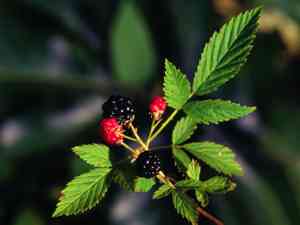
Distinguished by its sprawling stems and white blossoms that yield palatable berries, northern dewberry thrives with strategic trimming. Eliminate deceased or ailing stems and thin the plant to enhance air movement. Perform pruning in winter during its inactive phase, making cuts at a 45-degree incline just above outward-facing buds to stimulate fresh development. Trimming northern dewberry manages its expansion, fosters fruit yield, and aids in sustaining plant vitality. Refrain from over-pruning to safeguard the subsequent season's fruit.
Advantages of Trimming Northern Dewberry
Advantages of Trimming Northern Dewberry
Trimming northern dewberry promotes robust development by eliminating dead or overgrown stems, which improves air movement and light exposure, vital for the plant's vigor. Consistent shaping ensures northern dewberry stays manageable and visually appealing in the garden.
Optimal Period for Trimming Northern Dewberry
Optimal Period for Trimming Northern Dewberry
Trimming northern dewberry in late winter, just prior to the start of spring growth, is ideal. This timing ensures the plant has finished its dormant phase while minimizing the risk of cold damage to new shoots. Late winter pruning also allows for the removal of any dead or diseased stems and fosters a healthy structure as the plant enters its active growth period. Furthermore, pruning at this time avoids disrupting the spring blooming and subsequent fruiting cycle, as northern dewberry typically flowers on stems produced the previous year.
Tools Required for Trimming Northern Dewberry
Hand Pruners
Hand pruners are suitable for cutting small stems and twigs of northern dewberry. They provide a clean cut essential for the plant's well-being.
Loppers
Loppers are perfect for reaching into northern dewberry's dense growth and cutting through thicker canes that hand pruners cannot manage.
Pruning Saw
A pruning saw might be needed for cutting the oldest, most woody canes of northern dewberry that are too thick for loppers.
Gloves
Heavy-duty gloves are crucial when trimming northern dewberry due to its thorny nature, protecting the gardener from scratches.
Protective Clothing
Long sleeves and thick pants will offer protection against the thorns of northern dewberry during pruning.
Safety Goggles
Safety goggles are advised to shield eyes from thorns and debris when cutting back northern dewberry.
How to Trim Northern Dewberry
Select
Evaluate northern dewberry's overall health and identify old canes which have fruited in the previous season as well as any diseased wood. Old canes are likely to be woodier and more brittle.
Disinfect
Before cutting, sanitize shears or pruning tools using a solution like diluted bleach or alcohol to prevent spreading disease to northern dewberry.
Remove Old Canes
Carefully cut old canes at the base, as close to the ground as possible, without harming new growth to encourage northern dewberry to produce more fruiting canes.
Cut Diseased Wood
Trim any diseased or dead wood just above a healthy bud or node to help prevent infection from spreading in northern dewberry. Dispose of diseased material properly, not in the compost pile.
Clean Up
Ensure all removed plant material is cleared away from the base of northern dewberry to reduce the chance of disease and to keep the pruning area tidy.
Common Trimming Errors with Northern Dewberry
Excessive Pruning
Removing too much growth can stress northern dewberry, potentially reducing its vigor and berry production. Generally, it's ill-advised to remove more than a third of the plant in a single pruning session.
Trimming Healthy Canes
Cutting away healthy, fruit-bearing canes by mistake is a common error. It's important to identify and preserve the canes that will produce berries in the current season.
Neglecting Lateral Growth
Failure to trim lateral branches may lead to overgrowth, making northern dewberry more susceptible to diseases and pests due to poor air circulation and light penetration.
Ignoring Dead Or Diseased Canes
Leaving dead or diseased wood in place can hamper the health of northern dewberry. These should be the first to be pruned to prevent any spread of disease and to promote healthy growth.
Improper Tool Use
Using blunt or dirty pruning tools can damage northern dewberry's canes and introduce diseases. It's crucial to use clean, sharp tools for clean cuts.
General Trimming Advice for Northern Dewberry
Cane Selection
Identify and preserve the canes that have not fruited, as northern dewberry produces berries on second-year growth. Remove older canes that have already fruited to direct energy to younger, productive canes.
Height Management
Trim northern dewberry's canes to a manageable height to facilitate easy berry picking and general maintenance. This also encourages the development of strong, supportive canes.
Thin Out
Thin out dense clusters of canes to ensure good air circulation and sunlight penetration, which are crucial for the health and productivity of northern dewberry.
Lateral Pruning
Prune lateral branches back to encourage the growth of sturdy, upright canes. This will contribute to a more open plant structure, reducing the risks associated with overgrowth.
Regular Maintenance
Perform regular maintenance pruning to prevent overgrowth and encourage fruiting. This involves the removal of weak, broken, or diseased canes, as well as any suckers that arise from the base of northern dewberry.



