How to Transplant Wild madder?
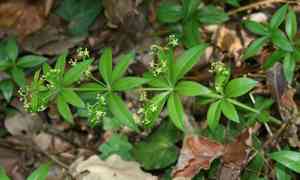
The most favorable period for transplanting wild madder is during the spring and early summer, a time of vigorous development, which allows for proper root integration in warm, permeable earth. Select a location with partial shade to replicate its native forest environment.
What Preparations are Needed Before Transplanting Wild Madder?
What is the Ideal Time for Transplanting Wild Madder?
The most favorable period for moving wild madder is at the transition from late spring to early summer. This timeframe provides the moderate temperatures and extended daylight hours wild madder prefers, aiding root development before the intensity of summer heat. It's when the ground is sufficiently warm for root growth, yet the weather isn't overly harsh. Relocating wild madder now leverages nature's supportive conditions for prime growth.
How Much Space Should You Leave Between Wild Madder Plants?
When getting ready for wild madder, imagine small green companions with room to expand. Aim for '18-24 inches (45-60 cm)' between each new plant for optimal personal space to flourish.
What is the Best Soil Mix for Wild Madder Transplanting?
For the healthy root system of wild madder, enrich the soil with organic material such as compost. A balanced slow-release plant food will offer a gentle boost for them to establish in their new location.
Where Should You Relocate Your Wild Madder?
A comfortable spot with partial to full sun exposure is ideal for wild madder. Picture a location bathed in soft morning light and a bit of afternoon shade to shield it from intense heat.
What Equipments Should You Prepare Before Transplantation Wild Madder?
Gardening Gloves
To safeguard your hands while handling soil and plants.
Spade or Shovel
For excavating the plant from its original spot and preparing the new planting hole.
Hand Trowel
For minor adjustments and to manage the plant more carefully during the transfer.
Watering Can or Hose
To hydrate the wild madder prior to and following its relocation.
Pruners or Scissors
To trim any dead or excessively long roots before the transplant.
Wheelbarrow or Garden Cart
To move the wild madder and soil if required.
Stake or Plant Support
To offer stability to wild madder if it is tall or top-heavy after being moved.
How Do You Remove Wild Madder from the Soil?
How Do You Remove Wild Madder from the Soil?
From Ground: First, water the wild madder plant to moisten the soil, making it easier to manage. Then, use a spade or shovel to dig a wide trench around the plant, being careful not to damage the root ball. Gently work around and beneath the root ball to free the plant with minimal root disturbance.From Pot: Start by watering the wild madder thoroughly, which will help ease the plant out of its container. Turn the pot on its side and gently tap or squeeze it to loosen the soil. Slowly tilt the plant, supporting its base and root ball, and carefully slide it out of the pot.From Seedling Tray: Water the seedlings to ensure the soil is damp. Gently press from the bottom of the cell to lift the plant, supporting the root ball to keep the soil intact. Use a hand trowel or your fingers to carefully remove the wild madder without disturbing its roots.
Step-by-Step Guide for Transplanting Wild Madder
Prepare the New Site
Excavate a hole that is twice as wide and the same depth as the root ball of wild madder.
Inspect the Roots
Examine the wild madder's roots for any indications of harm or illness and use pruners to trim if necessary.
Placement
Carefully position the wild madder into the center of the prepared hole, ensuring it sits at the same level it was originally growing.
Refilling the Hole
Begin backfilling the hole with the excavated soil, gently tamping down as you proceed to eliminate air pockets.
Water Thoroughly
Water the wild madder immediately after planting to help settle the soil and provide moisture for the roots.
Add Support
If wild madder is tall or susceptible to wind damage, gently insert a stake into the soil and secure the plant to it.
How Do You Care For Wild Madder After Transplanting?
Regular Watering
Ensure wild madder receives adequate water, especially during the initial weeks to establish roots without overwatering.
Mulching
Apply a layer of mulch around the base of wild madder to help retain moisture and regulate soil temperature.
Support Maintenance
Periodically check the stakes or supports and adjust them as the wild madder grows to prevent damaging the stem or restricting growth.
Monitoring
Observe for signs of stress such as wilting or discolored leaves and address issues promptly to ensure wild madder recovers well from the transplant.
Troubleshooting Common Issues with Wild Madder Transplantation.
What's the best time to transplant wild madder for successful growth?
Relocate wild madder when conditions are mild, typically late spring to early summer, to encourage root establishment.
How far apart should I space wild madder when transplanting?
For optimal development, space wild madder approximately 18-24 inches (45-60 cm) apart to allow ample room for expansion.
Why is my wild madder wilting after transplanting?
Wilting may be due to transplant shock. Ensure careful handling during relocation and keep soil moist to aid recovery.
How deep should I plant wild madder roots when transplanting?
Plant the roots of wild madder so the crown is just at soil level, not deeper to prevent rot.
Can I transplant wild madder on a hot, sunny day?
It's preferable to transplant wild madder on an overcast day or in the evening to minimize stress on the plant.
What soil preparation is needed before transplanting wild madder?
Prepare the soil with well-draining loam and compost to provide wild madder with a nutrient-rich environment.
How much water does wild madder need after transplanting?
Water wild madder thoroughly after transplanting and maintain consistent moisture without saturating the soil.
Should I fertilize wild madder immediately after transplanting?
Wait 4-6 weeks before fertilizing wild madder to allow roots to settle, and use a balanced fertilizer.
How do I protect wild madder from pests during transplanting?
Inspect wild madder for pests and diseases before transplanting and use appropriate measures to treat if necessary.
Does wild madder require mulching after transplanting?
Mulching helps retain moisture and regulate soil temperature. Apply a 2-3 inch (5-7.5 cm) layer around wild madder, avoiding the stems.



