How to Prune Wild madder?
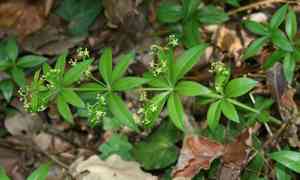
This enduring evergreen vine greatly benefits from trimming to preserve its form and vitality. Essential pruning methods for wild madder involve shortening elongated stems and excising deceased or ailing wood to foster denser development. The most effective pruning should occur in late winter or early spring prior to the emergence of new shoots, with minor shaping in summer or autumn as required. Pruning not only stimulates fresh growth but can also boost the plant's yield of its distinctive red fruits and pigments.
What Are the Benefits of Pruning Wild Madder?
What Are the Benefits of Pruning Wild Madder?
Trimming wild madder promotes robust development and helps maintain its desired form. Strategic cuts enhance light exposure and air movement, fostering a stronger structure and reducing disease risk.
What Is the Best Time for Pruning Wild Madder?
What Is the Best Time for Pruning Wild Madder?
Pruning wild madder in Spring is optimal as it coincides with the start of the plant's growth cycle, allowing the gardener to shape new growth and maintain a healthy structure. Pruning before summer ensures cuts heal before the more stressful heat and potential drought of late summer. Early Summer pruning is also beneficial as it can help manage overly vigorous growth and direct the plant's energy into producing more flowers and fruits, rather than excessive foliage. Additionally, any diseased or dead material can be removed before it affects the plant's health. Fall is another suitable season for light pruning; it allows for the removal of spent flowers and fruiting structures after wild madder's active growing season, tidying the plant and preparing it for winter. However, heavy pruning should be avoided in the Fall to prevent stimulating new growth that could be damaged by approaching cold weather.
What Tools Do I Need to Prune Wild Madder?
Hand Pruners
Perfect for cutting thin stems and small branches of wild madder. They offer precise cutting and can easily trim back any overgrowth or dead material.
Pruning Saw
Essential for thicker stems that hand pruners cannot handle. The saw allows gardeners to make clean cuts on mature stems without harming the plant's structure.
Loppers
Excellent for reaching into denser areas of wild madder where hand pruners are insufficient. They provide leverage for cutting moderately thick stems and branches.
Gloves
Gardening gloves protect hands from scratches, as wild madder may have rough stems or be intertwined with other plants.
How to Prune Wild Madder
Clean tools
Before starting the pruning process, ensure all pruning tools are clean and sterilized to prevent the spread of disease to wild madder.
Remove diseased
Identify any diseased leaves and branches on wild madder. Using your pruning shears, carefully cut these parts away from the plant, making sure to make clean cuts to avoid damaging healthy tissue.
Cut withered
Locate withered or dead leaves on wild madder. These can be gently plucked or snipped off to improve the plant's overall health and appearance.
Eliminate dead branches
Carefully remove dead branches from wild madder, cutting at a slight angle just above a healthy bud or node to encourage new growth.
Dispose
Dispose of all removed diseased leaves and branches properly to avoid contamination to the rest of the garden. Do not compost as they may contain harmful pathogens.
Common Pruning Mistakes with Wild Madder
Overpruning
Removing too much growth at once can stress wild madder, weakening the plant and potentially leading to reduced vigor or even death.
Ignoring health issues
Failing to remove diseased, damaged, or dead material can invite pests and diseases, hindering wild madder's growth and health.
Incorrect cut placement
Making cuts too far from a bud or node, or leaving a stub, can result in unhealthy growth or disease entry points.
Pruning without sharpened tools
Using dull or dirty pruning tools can result in ragged cuts that harm wild madder, making the plant more susceptible to disease.
Neglecting plant form
Pruning without considering wild madder's natural growth habit can lead to an unsightly appearance and imbalanced growth.
Common Pruning Tips for Wild Madder
Sanitizing tools
Clean and sanitize pruning tools before and after use to prevent the spread of diseases to or from wild madder.
Gradual pruning
Prune gradually over time rather than all at once to maintain wild madder's health and avoid shock.
Strategic cut location
Make pruning cuts just above a leaf node or bud to encourage wild madder to grow in a desired direction and promote healthy regrowth.
Thin out crowded areas
Thin out crowded stems to improve air circulation and light penetration, which is crucial for wild madder's health and bloom production.
Maintain natural shape
Aim to maintain wild madder's natural shape for aesthetic purposes and to support its structural integrity, cutting back to healthy wood as needed.



