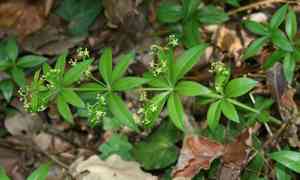
Wild madder (Rubia peregrina)
Also known as: Wild Madder
Wild madder, scientifically known as *Rubia peregrina*, belongs to the coffee family and is native to the Mediterranean regions of Europe and Africa. It features greenish-yellow flowers that attract insects for pollination. These flowers develop into green berries that turn black when ripe. The genus name *Rubia* is derived from the Latin word for red, highlighting its association with red dyes, particularly from species like *Rubia tinctorum*.
In This Article
Attributes of Wild madder
Lifespan
Perennial
Plant Type
Herb
Plant Height
50 cm to 2.5 m
Spread
0.5 to 1 meter spreading habit
Leaf Color
Green
Flower Size
5 mm to 7 mm
Flower Color
Yellow Green White
Images of Wild madder
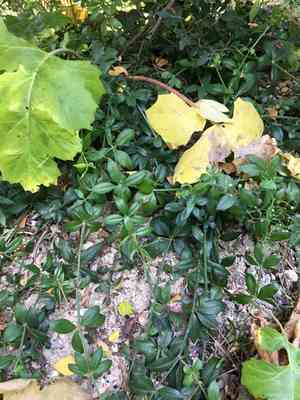
Quickly Identify Wild madder
1
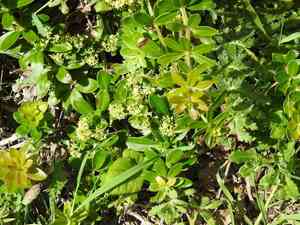
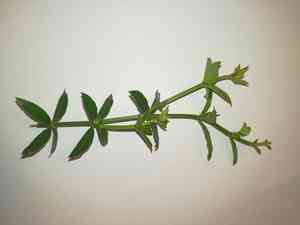
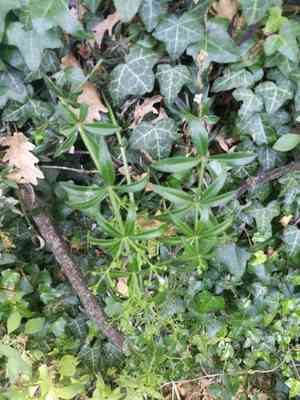
To identify Rubia peregrina, look for its lance-shaped, glossy, dark green leaves arranged in whorls of four to six. The stems are square in cross-section and covered with tiny, backward-pointing hooks. The small, greenish-white flowers bloom in clusters.
Scientific Classification of Wild madder
Phylum
Vascular plants
Class
Dicotyledons
Order
Gentianales
Family
Madder
Genus
Rubia
Species
Wild madder
Planting and Growing of Wild madder
Care Difficulty
Easy
Watering Schedule
Every 2 days
Sunlight Requirements
Partial sun
Sunshine Duration
6-10 hours
Ideal Temperature
50-77℉
Soil Type
Potting Mix, Peat Mix
Soil pH
6.5-7.5
Fertilizer Type
Balanced
Pruning Season
Spring, Summer
Pruning Area
Branches, Leaves
Pruning Frequency
2 times a year
Repotting Season
Spring
Pot Type
Plastic, Ceramic
 How to Water Wild madder?
Rubia peregrina requires a moderate watering approach. It is best to provide around 200 milliliters of water per session, ensuring that the soil is thoroughly moistened but not waterlogged. The key is to allow the topsoil to dry out between waterings to prevent root rot while keeping the plant hydrated.
What are the symptoms of an underwatered Wild madder?
›
What should I do if my Wild madder is not getting enough water?
›
What are the symptoms of an overwatered Wild madder?
›
How to save an overwatered Wild madder?
›
 What Are the Sunlight Requirements for Wild madder?
Partial sun to full shade is ideal, providing a balance of indirect and filtered light. This promotes healthy growth and prevents stress caused by extreme light conditions, enhancing the plant's overall resilience.
More About Sunlight Requirements Techniques→
What's the best location?
›
How to adjust lighting?
›
Benefits of proper light?
›
 What Is the Ideal Temperature Range for Wild madder?
Rubia peregrina thrives in an ideal temperature range of 50°F to 77°F. This range ensures optimal metabolic activities and energy conversion, enabling the plant to grow efficiently and maintain its health.
 What Soil is Best for Wild madder?
Rubia peregrina thrives in soil that offers excellent drainage. Well-drained soil prevents waterlogging, which can lead to root rot, ensuring the plant's root system remains healthy and robust. This plant benefits significantly from soil that is rich in organic matter. Nutrient-rich soils provide essential nutrients for growth and help Rubia peregrina maintain vibrant foliage and resilient growth. While Rubia peregrina prefers well-drained soil, it also requires a certain degree of moisture retention to sustain through dryer periods. Balanced moisture levels help the plant remain hydrated without becoming waterlogged.
 How to Fertilize Wild madder?
For Rubia peregrina, a moderate amount of fertilizer is recommended. During its growth period, use approximately 5-10 milliliters of liquid fertilizer diluted in a liter of water every two weeks. For solid, slow-release fertilizers, apply 20-30 grams annually, evenly distributed around the base of the plant.
 How to Prune Wild madder?
Start by examining the plant for any dead or diseased parts and remove them. Trim back excessive growth to maintain the plant's shape. Ensure cuts are made at a 45-degree angle close to the node to encourage new growth. Keep your shears clean between cuts to prevent disease spread. Pruning is effective when done consistently throughout the growing seasons: Spring, Summer, and Autumn, with light touch-ups in Winter. A good pair of gardening gloves and sterilized pruning shears are essential. Avoid over-pruning in winter as the plant needs time to regain strength for the coming growth period.
More About Pruning Techniques→
 How to Propagate Wild madder plant?
1
Collect ripe seeds from established Rubia peregrina plants. Clean and dry the seeds before sowing. Pre-soaking them in water for 24 hours can enhance germination rates.
2
Select healthy, non-flowering stems and use a sterile knife to cut just below a node. Cuttings should be around 10 cm long. Remove lower leaves and dip the end in rooting hormone to promote growth.
3
Place seeds or cuttings in a propagation tray with well-draining soil, and cover with a plastic dome to retain humidity. Keep the tray in a warm location with indirect sunlight.
 How to Repot Wild madder plant?
1
Rubia peregrina thrives when repotted during the active growing seasons of spring and summer. Look for signs like roots protruding from drainage holes or a noticeable slowdown in growth, signaling the need for more space. Being acutely aware of these indicators can ensure the plant is given ample room to expand and flourish.
2
Opt for pots that are just one size up from the current one, allowing the roots more room to grow without overwhelming the plant. Terracotta pots with drainage holes are ideal, promoting airflow and preventing root rot by ensuring water doesn't linger at the base.
3
Well-draining potting mix is crucial for Rubia peregrina. The mix should retain some moisture while allowing excess water to drain away swiftly, thus preventing root rot. A blend that includes perlite and organic matter can enhance soil aeration and fertility.
Toxicity
Ingestion, Skin contact
WARNING
The judgment on toxicity and danger is for reference only. We DO NOT GUARANTEE any accuracy of such judgment. Therefore, you SHALL NOT rely on such judgment. It is IMPORTANT TO SEEK PROFESSIONAL ADVICE in advance when necessary.



