How to Propagate Wild madder?
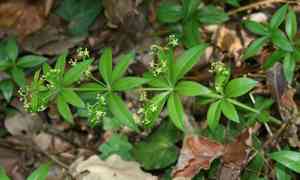
Rubia peregrina can be successfully multiplied using cuttings, a straightforward and effective technique ideal for this particular plant. To achieve the best results, collect robust, semi-hardwood cuttings when the plant is actively growing. Verify that each cutting possesses multiple nodes, as this enhances the likelihood of root formation. Subsequently, the cuttings ought to be established in a sandy, well-draining substrate to avert excessive moisture and facilitate air circulation around the root system, which is vital for vigorous development.
Optimal Period for Wild Madder Propagation
Propagation Method
Cutting
Propagation Season
Spring,Summer
Tools Required for Wild Madder Propagation
Sharp pruning shears
These are essential for taking wild madder cuttings. Sharp blades ensure a clean, non-jagged cut, which is crucial for preventing damage that could lead to disease and hinder growth. A clean cut promotes faster healing and root development, vital for successful propagation via cuttings.
Rooting hormone
This substance aids in stimulating root growth once the wild madder cutting has been planted. Rooting hormone boosts the chances of successful root development, which is critical as cuttings initially lack roots to absorb nutrients and water. Applying rooting hormone to the cut stem end before planting can significantly improve propagation success.
Sterilizing agent
Used for cleaning tools, especially pruning shears, before taking cuttings. This is important to prevent disease transmission between plants via tools. Diseases can severely impact cutting viability and the overall success of the propagation process.
Light, well-draining potting mix
A suitable growing medium is crucial for nurturing wild madder cuttings. The potting mix should be light enough to allow good air circulation and adequate drainage to prevent root rot, a common issue in poorly drained soils. This medium supports newly developing roots by providing an ideal balance of moisture and aeration.
Propagator with a humidity dome
Maintaining high humidity around wild madder cuttings helps prevent excessive moisture loss from leaves while roots are developing. A propagator with a humidity dome creates a micro-environment that keeps the air around cuttings moist, enhancing rooting success.
Steps to Propagate Wild Madder
Propagation Type
Easy
Post-Propagation Care for Wild Madder
Post-Propagation Care for Wild Madder
Once roots have formed, gradually acclimatize wild madder to less humid conditions by removing the cover for increasing durations over several days. Keep the soil moist and well-drained, and provide wild madder with indirect sunlight in a sheltered outdoor area or indoors. Regular watering and annual feeding with a balanced fertilizer will support the growth and vitality of wild madder.
Common Errors to Avoid When Propagating Wild Madder
Overwatering
Excessive watering can cause root rot in wild madder. This condition deprives roots of oxygen, reducing their ability to absorb nutrients and water, ultimately affecting the growth and survival of propagated cuttings or seedlings.
Deep Planting
Planting wild madder's seeds or cuttings too deeply can impede their ability to sprout effectively. Deep planting might bury them in a low-oxygen environment, stunting growth or preventing germination.
Ignoring Pest Management
Neglecting pest control during the initial propagation stages allows pests to harm young and vulnerable parts of wild madder, which can severely impact plant health and propagation success.
Using Non-Sterile Tools
Using unsterilized tools can introduce pathogens to wild madder, leading to diseases that might kill cuttings or newly germinated plants.
Advice for Propagating Wild Madder
Soil Composition
Utilize well-draining soil rich in organic matter for propagating wild madder. This type of soil supports moisture retention without becoming waterlogged, creating an ideal environment for root development.
Light Conditions
Ensure sufficient indirect sunlight for wild madder. While it needs good light, too much direct sunlight can harm young plants or cause the soil to dry out too quickly.
Cutting Selection
Select healthy and robust stems for cuttings. This increases the likelihood of successful root development because healthier stems possess more stored nutrients and energy.
Pest and Disease Monitoring
Regularly inspect wild madder for signs of pests and diseases. Early detection and treatment prevent these issues from affecting the overall health and viability of new plants.



