How to Transplant Cluster rose?
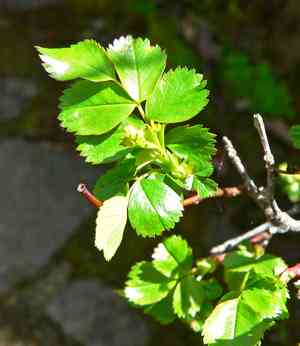
The ideal period for relocating cluster rose spans from early spring's onset through the beginning of summer, leveraging temperate conditions for root development. Choose a location that receives ample sunlight and drains effectively, and contemplate enriching the soil to enhance vitality.
Essential Preparations Before Moving Cluster Rose
Optimal Timing for Relocating Cluster Rose?
For relocating cluster rose, the period spanning from early spring's awakening to late spring's peak is ideal. During these months, cluster rose's root system has the best opportunity to establish itself prior to summer's intense heat. Transplanting within this timeframe capitalizes on rising temperatures and extended daylight, promoting vigorous growth. Furthermore, the mild weather minimizes stress on cluster rose, paving the way for a smooth transition to its new spot. Embrace this window, and you'll be rewarded with a flourishing cluster rose, gracing your garden with its hardiness and allure.
Required Spacing Between Cluster Rose Plants?
When providing your cluster rose with a new home, ensure adequate room for development. Aim to position them approximately 4-6 feet apart (1.2-1.8 meters), guaranteeing each plant sufficient area to thrive without crowding its neighbors.
Best Soil Blend for Cluster Rose Relocation?
Your cluster rose will flourish in well-draining soil enriched with organic material. Before transplanting, incorporate some compost or a balanced slow-release fertilizer to give your cluster rose a nourishing start. This preparatory step is akin to setting a welcoming table for a guest!
Where to Replant Your Cluster Rose?
Select a sunny location where your cluster rose will receive at least 6 hours of daily sunlight. If possible, choose a spot that gets morning sun; it's like a gentle awakening rather than a harsh midday jolt. It's the perfect sun exposure for your cluster rose!
Tools to Prepare Before Transplanting Cluster Rose
Gardening Gloves
To safeguard your hands while handling soil and plants.
Shovel or Spade
For excavating the plant from its current spot and preparing the new hole.
Garden Fork
To loosen the soil around the root ball and aid in ground aeration.
Pruning Shears
To trim any dead or damaged roots and stems.
Watering Can or Hose
To hydrate the plant both before removal and after replanting.
Wheelbarrow or Garden Cart
To move the plant and soil without straining your back.
Tarp or Burlap
To safeguard and transport the root ball.
Soil Amendment (as recommended)
To enrich the soil at the new site if necessary.
Mulch
To regulate soil temperature and retain moisture post-planting.
Stake or Support Structure (if necessary)
To offer stability to the cluster rose until it establishes itself.
How to Extract Cluster Rose from the Ground?
How to Extract Cluster Rose from the Soil?
From Ground: Thoroughly water the cluster rose to moisten the soil, facilitating removal. Dig a wide perimeter to prevent root damage, and gently lift the plant from the earth with a spade or shovel. Use a garden fork if needed to loosen the soil and carefully extract the root ball.From Pot: Start by watering the cluster rose to simplify the removal process. Turn the pot on its side and gently tap to loosen the root ball. Gradually ease the plant out, supporting the base and roots to prevent stress and damage.From Seedling Tray: Water the seedlings well. Use a small tool or your fingers to gently loosen the soil around each seedling. Carefully lift each plant by its leaves, not its delicate stem, to avoid injury as you transplant it to its new ground location.
Step-by-Step Guide for Relocating Cluster Rose
Excavating the Hole
Dig a hole in the ground that is twice the width of the root ball and of equal depth. Ensure the space is ample enough to accommodate the cluster rose's root growth without constriction.
Root Inspection
Examine the cluster rose's roots. Trim any broken or damaged roots with pruning shears. Gently untangle the roots if they are pot-bound.
Placement in the Hole
Carefully position the cluster rose into the hole, ensuring it stands upright and that the top of the root ball is level with the surrounding soil surface.
Backfilling the Hole
Partially fill the hole with native soil and any recommended soil amendment. Water thoroughly to settle the soil around the roots, then fill the remainder of the hole, gently firming the soil without compacting it too tightly.
Final Adjustments
Make any last positioning adjustments to ensure the cluster rose is straight. If needed, stake the plant for extra support, being careful not to harm the root system.
Mulching
Apply a layer of mulch around the base of the cluster rose to conserve moisture, regulate soil temperature, and suppress weed growth. Keep the mulch a few inches away from the plant's stem to prevent rot.
Post-Transplant Care for Cluster Rose
Watering
Maintain a consistent watering schedule to keep the soil around the cluster rose uniformly moist, especially during the initial growing season. Water deeply to encourage robust root development.
Staking
Regularly check stakes and adjust any ties to prevent them from cutting into the developing stems. Remove stakes once the cluster rose is stable, typically after one growing season.
Pruning
Snip off any dead or unhealthy branches to direct the cluster rose's energy towards root establishment and healthy growth. Do so carefully and not excessively during the first season.
Monitoring Plant Health
Observe the cluster rose for signs of stress, such as wilting or discolored leaves, and promptly address any issues with appropriate care or treatments.
Resolving Common Cluster Rose Transplant Issues
Why is my cluster rose struggling after relocation?
Ensure you're transplanting during the optimal period, from early to late spring, and provide correct spacing of 4-6 feet (1.2-1.8 meters). Check soil moisture, sunlight, and root disturbance for problems.
How much space does cluster rose require when transplanting?
Space cluster rose 4-6 feet (1.2-1.8 meters) apart to allow for their growth and airflow between plants, promoting healthier development.
What is the ideal depth for transplanting cluster rose?
The hole should be deep enough to accommodate the root ball, with the graft union (if present) slightly above ground level, roughly the same depth as its original pot.
Can I transplant cluster rose during the hot summer months?
It's best to transplant cluster rose in the milder temperatures of early to late spring to avoid heat stress and ensure root establishment.
How much water does cluster rose need after transplanting?
Immediately after transplanting, water cluster rose thoroughly. Continue with regular watering to keep the soil moist but not waterlogged, especially during dry spells.
What type of soil is best for transplanting cluster rose?
Use well-draining soil rich in organic matter. Adjust soil pH if necessary to ensure it's slightly acidic to neutral for optimal cluster rose health.
Should I prune cluster rose before transplanting?
Prune dead or damaged stems before transplanting to promote healthy growth, but avoid heavy pruning which can add stress.
Does cluster rose require fertilizer after transplanting?
Wait until cluster rose is established before fertilizing. After a few weeks, a balanced, slow-release fertilizer can encourage healthy growth.
My cluster rose appears wilted after transplanting, what should I do?
Wilt is common due to transplant shock. Keep the soil moist and protect the plant from extreme sun and winds until it recovers.
How can I protect my newly transplanted cluster rose from frost?
If an unexpected frost is forecasted, cover cluster rose with frost cloth or burlap overnight to shield it, especially if new growth has appeared.



