How to Prune Cluster rose?
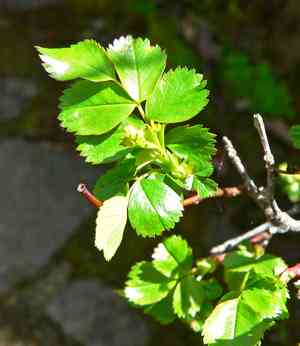
A leaf-shedding bush recognized for its gracefully curved branches and rosy blossoms, cluster rose flourishes with appropriate trimming. Essential methods involve excising lifeless or ailing wood, reducing aged stalks to stimulate fresh development, and sculpting the plant for visual attractiveness. The most effective time for pruning is in late winter or early spring prior to the appearance of new buds. Trimming cluster rose boosts flowering, averts excessive density, and fosters vigorous well-being, guaranteeing a spectacular exhibition of clustered roses annually.
Advantages of Trimming Cluster Rose
Advantages of Trimming Cluster Rose
Trimming cluster rose promotes abundant flowering, stimulates vigorous development, and maintains a desired shape. Timely cuts can revitalize cluster rose, directly influencing its appearance and vitality.
Optimal Period for Trimming Cluster Rose
Optimal Period for Trimming Cluster Rose
Trimming cluster rose during late winter to early spring is considered ideal as it coincides with the plant's dormant phase, just before new growth begins. Pruning at this time minimizes stress on cluster rose and allows the plant to recover quickly from cuts. It also encourages healthy development, as the plant directs energy into new growth during spring. Scheduling pruning for this period ensures that the natural growth cycle of cluster rose is preserved, avoiding interference with its blooming cycle which typically occurs in late spring to early summer. This season is also perfect for removing dead, diseased, or damaged wood, enhancing plant health and aesthetic form without reducing the season's flowers.
Essential Tools for Pruning Cluster Rose
Bypass Pruners
Perfect for making clean cuts on cluster rose's smaller stems and canes. These pruners operate like scissors, offering precision without crushing delicate tissues, which is vital for cluster rose's well-being.
Loppers
Suitable for cutting thicker canes of cluster rose up to 1½ inches in diameter. The long handles provide leverage, making it easier to cut through hardwood.
Pruning Saw
Required for removing old, woody canes or any branches exceeding 1½ inches in diameter. A saw with coarse teeth is particularly useful when dealing with mature cluster rose plants.
How to Prune Cluster Rose
Sanitize Tools
Before beginning, ensure all pruning tools are disinfected to prevent the spread of diseases to cluster rose.
Remove Diseased Parts
Carefully cut away any diseased leaves and branches from cluster rose, ensuring clean cuts to encourage healthy regrowth.
Trim Dead Material
Remove all dead branches and withered leaves from cluster rose by cutting at the base of the dead material without harming healthy stems.
Deadhead Flowers
For any faded flowers on cluster rose, practice deadheading by snipping off the flower just above the first set of healthy leaves beneath the bloom.
Thin Out Overgrowth
To maintain airflow and reduce disease risk in cluster rose, thin out congested growth by removing select branches, cutting back to a main stem or outward-facing bud.
Common Pruning Errors with Cluster Rose
Over-Pruning
Removing too much growth from cluster rose at once, which can stress the plant and lead to reduced flowering.
Incorrect Cutting Technique
Making blunt or jagged cuts on cluster rose's stems, which can lead to disease and pest infestation.
Ignoring Dead Or Diseased Wood
Failing to remove dead or diseased wood, which can harm cluster rose by spreading decay and inhibiting new growth.
Treating All Canes Similarly
Pruning all canes of cluster rose uniformly, instead of assessing each one's condition and growth pattern.
Neglecting Sanitation
Not cleaning pruning tools between cuts can spread diseases among cluster rose plants or even to other plant species.
Improper Cut Placement
Making cuts too far from a bud or node on cluster rose, which can leave a stem stub that risks dieback or disease.
Snipping Foliage Indiscriminately
Indiscriminate removal of foliage, which can remove the necessary leaves that cluster rose needs for photosynthesis and energy.
General Pruning Advice for Cluster Rose
Selective Thinning
Target older and overcrowded canes for removal to improve air circulation and light penetration for cluster rose.
Cut Angle
Cut cluster rose's stems at a 45-degree angle above an outward-facing bud to encourage outward growth and prevent water accumulation.
Clean Tools
Disinfect pruning tools before use on cluster rose to prevent disease spread, preferably with alcohol or a 10% bleach solution.
Careful Cane Selection
Choose the strongest and most vigorous canes of cluster rose to remain, ensuring a robust framework for future growth.
Progressive Approach
For cluster rose, it's better to prune progressively, observing the plant's reaction over time, rather than doing severe pruning all at once.
Health Check
Inspect cluster rose for signs of pests or diseases before pruning, and address these issues immediately before they spread.
Follow Growth Patterns
Prune cluster rose by following the natural growth habit of the plant to maintain its shape and encourage more blooms.
Correct Timing
While excluding information on the best season, ensure pruning is aligned with cluster rose's growth phases.



