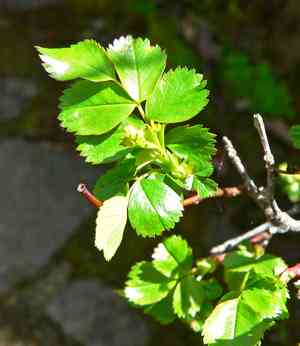
Cluster rose (Rosa pisocarpa)
Also known as: Ahart rose
The rose in question is likely the Rosa rubiginosa, commonly known as the sweet briar or eglantine rose. This wild rose showcases clusters of delicate pink flowers and reddish, thorny canes. Thriving in moist areas, it often grows near streams or wetlands. Its small, apple-shaped rose hips turn a vivid red-orange in the fall, providing food for wildlife. The plant's foliage is fern-like, creating a lush setting for its blossoms and adapting well to damp environments.
In This Article
Attributes of Cluster rose
Lifespan
Perennial
Plant Type
Shrub
Plant Height
91 cm to 1.8 m
Spread
Approximately 3 to 4 feet (0.9 to 1.2 meters)
Leaf Color
Green
Flower Size
1 to 2 inches (2.5 to 5 cm)
Flower Color
Pink
Images of Cluster rose


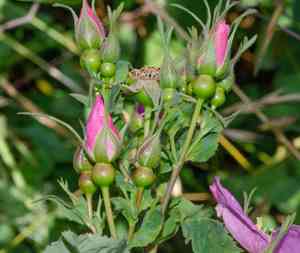

Quickly Identify Cluster rose
1
Rosa pisocarpa can be identified by its pink, clustered flowers that bloom from late spring to summer, and its small, pea-sized red hips that follow. The leaves are pinnate, with serrated edges.
Scientific Classification of Cluster rose
Phylum
Vascular plants
Class
Dicotyledons
Order
Rosales
Family
Rose
Genus
Roses
Species
Cluster rose
Planting and Growing of Cluster rose
Care Difficulty
Easy
Watering Schedule
Every 4 days
Sunlight Requirements
Full sun
Sunshine Duration
4-8 hours
Ideal Temperature
60-75℉
Soil Type
Potting Mix, Peat Mix
Soil pH
6.5-7.5
Fertilizer Type
Balanced
Pruning Season
Spring, Summer
Pruning Area
Branches, Leaves
Pruning Frequency
2 times a year
Repotting Season
Spring
Pot Type
Plastic, Ceramic
 How to Water Cluster rose?
Rosa pisocarpa requires consistent but moderate watering. Ensuring that the soil is moist but not waterlogged is crucial for its health. Water deeply until the top few inches of soil are moist, approximately 500ml per session should suffice, allowing water to penetrate to the root system.
What are the symptoms of an underwatered Cluster rose?
›
What should I do if my Cluster rose is not getting enough water?
›
What are the symptoms of an overwatered Cluster rose?
›
How to save an overwatered Cluster rose?
›
 What Are the Sunlight Requirements for Cluster rose?
Rosa pisocarpa thrives in full to partial sun conditions, ideally in a range of 6-8 hours. Adequate light promotes healthy growth, enhances flowering, and strengthens the plant's overall resilience.
Optimal Time for Sun Exposure
›
Location Selection
›
Seasonal Adjustments
›
 What Is the Ideal Temperature Range for Cluster rose?
Rosa pisocarpa thrives best in temperatures ranging from 60°F to 75°F. This range ensures optimal growth and flowering, providing the plants with the warmth they need during the day while keeping them cool enough at night to promote healthy respiration and energy allocation.
 What Soil is Best for Cluster rose?
Rosa pisocarpa thrives in soil with a high organic content, which provides essential nutrients for robust growth. This richness supports lush foliage and vibrant blooms, enhancing overall plant health. To prevent root rot, it requires well-drained soil, allowing excess water to flow away. This drainage capability is crucial for avoiding waterlogged conditions that can lead to fungal diseases. The plant appreciates soil that can retain moisture without becoming waterlogged. Maintaining consistent moisture supports steady growth and maximizes flowering potential.
 How to Fertilize Cluster rose?
For Rosa pisocarpa, it is ideal to use a balanced fertilizer, such as a 10-10-10 NPK formula. Apply liquid fertilizer at half the recommended dosage to avoid nutrient burn, making sure the soil is moist before application.
 How to Prune Cluster rose?
Begin by removing any dead or unhealthy canes. Cut back about one-third of the oldest stems to the base to stimulate new growth. Always make cuts just above an outward-facing bud, maintaining an open structure to enhance air circulation. Remember to sterilize your pruning tools before and after to prevent disease spread.
More About Pruning Techniques→
 How to Propagate Cluster rose plant?
1
Soak Rosa pisocarpa seeds in water for 24 hours to improve germination rates by softening the seed coat, aiding in quicker sprouting when sown.
2
Select a healthy stem and cut a 6-8 inch segment just below a leaf node. Remove leaves from the bottom half of the cutting to reduce transpiration.
3
Prepare the rootstock and scion by making a straight cut. Align the cambium layers and tightly secure them with grafting tape to ensure successful growth.
 How to Repot Cluster rose plant?
1
Signs that Rosa pisocarpa needs repotting include roots growing out of drainage holes, stunted growth, or the soil drying out faster than usual. The best time to repot is during early spring or autumn when the plant is not in active flowering.
2
Choose a pot that is just a couple of inches larger in diameter than the current one, with good drainage holes. This prevents waterlogging, promoting healthier root development and reducing the risk of root rot for Rosa pisocarpa.
3
Opt for a well-draining loam mix enriched with organic matter. Such soil retains essential moisture and nutrients while allowing excess water to drain away, preventing waterlogging and providing a robust environment for your Rosa pisocarpa.



