How to Propagate Cluster rose?
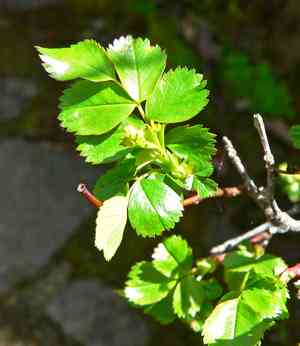
The cluster rose, recognized for its untamed and bushy growth, flourishes most effectively when reproduced via cuttings. For successful reproduction, choose robust, pathogen-free stems for your cuttings and cut them to incorporate multiple nodes. Creating a supportive atmosphere with sufficient hydration and diffused sunlight encourages root development. While rooting hormone can be advantageous, this particular variety frequently roots successfully without it. After rooting, the nascent plants ought to be gradually accustomed to external conditions prior to transplanting them to their permanent spot. This technique ensures genetic consistency and enables cultivators to expand their gardens efficiently.
Optimal Time for Cluster Rose Propagation
Propagation Type
Cutting
Propagation Season
Fall,Winter
Tools for Cluster Rose Propagation
Sharp Pruning Shears
These are vital for making clean cuts on cluster rose stems. Precise, sharp cuts minimize harm to the parent plant and boost the cuttings' survival rate. Sterilize shears regularly to prevent disease spread.
Rooting Hormone
This product encourages root development from cluster rose cuttings, greatly improving propagation success. Apply the hormone to the fresh cut end of the stem to accelerate root formation and increase new plant viability.
Propagating Tray and Dome
Used to create an ideal microclimate for cluster rose cuttings to root. The dome helps maintain high humidity and stable temperatures, crucial for the rooting process. Fill the tray with a sterile, well-draining medium.
Heat Mat
Placed beneath the propagating tray to provide consistent warmth to the bottom, which aids root development in cluster rose cuttings. Gentle, steady heat promotes faster root growth, especially in cooler settings.
Misting System
Delivers gentle, regular misting to cluster rose cuttings, preventing dehydration during the critical initial stages of root formation. High humidity is essential to stop moisture loss from the cuttings' leaves.
How to Propagate Cluster Rose?
Propagation Type
Moderately Easy
Caring for Your Newly Propagated Cluster Rose
How to Care for Your Newly Propagated Cluster Rose?
Post-propagation, gradually introduce cluster rose to outdoor conditions if it was grown indoors. Move it to a sunny location as cluster rose thrives in full sun to partial shade. Ensure the soil stays moist, particularly in dry periods. Regular trimming helps maintain its form and encourages healthier, more robust growth. Routinely check for pests or diseases and treat them promptly to avoid significant damage.
Common Mistakes to Avoid When Propagating Cluster Rose
Overwatering
Excessive watering can lead to root rot and fungal infections in cluster rose. This compromises the plant's overall health, making it less likely to flourish or even survive after propagation.
Using unclean tools
Failing to sterilize tools before cutting or handling cluster rose can introduce pathogens, which may infect the cuts and hinder successful rooting.
Cutting incorrect stem types
Selecting old, woody stems or very young, tender shoots can decrease the likelihood of successful rooting. Older stems may not root well, and younger shoots might be too delicate to withstand the stress of cutting and transplanting.
Tips For Propagating Cluster Rose
Choose semi-hardwood stems
Selecting semi-hardwood stems for cuttings ensures a balance of maturity and growth potential, ideal for rooting and establishing cluster rose.
Maintain high humidity
Keeping the environment humid helps prevent cluster rose cuttings from drying out before they can root. Use a humidity dome or cover to create optimal moisture levels.
Use rooting hormone
Applying a rooting hormone to the cut base of cluster rose can significantly enhance root development, giving the cuttings the necessary boost to establish more quickly and effectively.



