How to Transplant Dwarf rose?
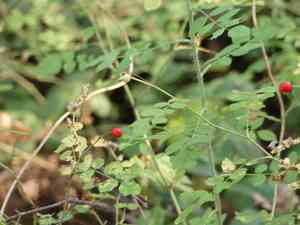
The ideal period for relocating dwarf rose is at the transition from late spring to early summer, as vigorous development recommences. Choose a site offering partial sunlight and damp, adequately draining earth. Be sure to apply mulch after transplanting to help retain moisture.
Preparations Required Before Relocating Dwarf Rose
Optimal Period for Dwarf Rose Relocation?
The best time to move dwarf rose is during the gentle warmth of late spring to early summer. This timeframe offers the ideal environmental conditions for dwarf rose to settle successfully, avoiding the harshness of colder periods. Moving dwarf rose during this window allows it to adapt and firmly root, setting the stage for robust growth and blooming in subsequent seasons. Seize this opportunity to nurture your dwarf rose, and you will be rewarded with a vibrant display that underscores the value of precise timing.
Required Spacing Between Dwarf Rose Plants?
When relocating your dwarf rose, ensure ample room for development. Position them approximately 2-3 feet (60-91 cm) apart. This spacing promotes good air circulation and allows them to access necessary nutrients without competition.
Best Soil Blend for Dwarf Rose Relocation?
Dwarf rose thrives in well-drained soil enriched with organic matter. For an optimal beginning, incorporate compost or a standard balanced fertilizer into the garden bed before planting. This supplies vital nutrients and enhances soil structure.
Where to Replant Your Dwarf Rose?
For placement, your dwarf rose prefers sunlight. Therefore, select a garden spot that receives full sun or partial shade. Sufficient sunlight ensures vigorous health and more blooms, so choose carefully.
Equipment Needed Before Transplanting Dwarf Rose
Gardening Gloves
These will safeguard your hands while handling soil and plants.
Shovel or Garden Spade
This tool will be used to excavate the root system of the dwarf rose from its original spot.
Watering Can or Hose
You'll need this for hydrating the dwarf rose during the transplanting process.
Secateurs
These will be utilized for trimming and shaping the dwarf rose after its relocation.
Organic Compost or Manure
This can be used to enrich the soil in the dwarf rose's new location, providing essential nutrients to aid its growth.
Mulch
This will help maintain soil moisture and inhibit weed growth around the newly transplanted dwarf rose.
How to Extract Dwarf Rose from the Soil?
How to Extract Dwarf Rose from the Soil?
From Ground: Start by watering the dwarf rose to soften the soil, making plant removal easier. Then, using a shovel or garden spade, dig a wide circle around the plant, ensuring the entire root ball remains intact. After this, carefully work the spade beneath the root ball to lift the dwarf rose from its initial position. From Pot: If the dwarf rose is in a container, watering it first helps the plant slide out more easily. Once watered, tilt the pot sideways while gently pulling the plant out by its root ball or stem base. Be cautious not to harm the roots. From Seedling Tray: To move dwarf rose from a seedling tray, water it initially to prevent root injury during extraction. Then, using your fingers or a small tool, carefully lift the seedling from its base, taking care to retain as much of the original soil as possible.
Step-by-Step Guide for Relocating Dwarf Rose
Excavating the Hole
Once you've chosen the appropriate site, dig a hole twice as wide and as deep as the dwarf rose's root ball. This ensures ample room for the roots to spread and develop.
Soil Amendment
Improve the excavated soil by mixing in organic compost or manure. This enhances soil quality by improving its structure, water retention, and nutrient content.
Placement
Center the dwarf rose in the hole at the same depth it was removed from, ensuring the top of the root ball is level with the ground. Backfill the hole with the amended soil, gently pressing to remove air pockets.
Hydration
Immediately after transplanting, thoroughly water the dwarf rose. Always water at the base, not from above, to prevent disease development.
Mulching
Apply a thin layer of mulch around the transplanted dwarf rose to conserve moisture and suppress weed growth.
Post-Transplant Care for Dwarf Rose
Watering
Keep the dwarf rose's soil consistently moist, but not waterlogged, especially during the initial weeks after transplanting. This aids the plant in establishing strong roots in its new location. Adjust watering based on weather, increasing frequency during hot, dry periods.
Pruning
Lightly prune the dwarf rose after transplanting to minimize water loss through transpiration. Regular pruning also promotes the growth of new, healthy foliage.
Monitoring
Observe the dwarf rose plant for indications of transplant shock, such as yellowing or wilting leaves. It's important to remember that some plants may require time to adapt to their new environment.
Protection
Shield the newly transplanted dwarf rose plant from severe weather conditions and pests by using garden cloches or wildlife netting if necessary.
Addressing Common Issues with Dwarf Rose Transplantation.
When is the best time to move dwarf rose?
It's best to move dwarf rose during its late growth (S3) or dormant phase (S4). This reduces plant stress and aids in better root establishment.
How should dwarf rose be handled during relocation?
Hold dwarf rose by its base, not the stems. Gently loosen the roots before placing it in the new spot. Always handle with care to prevent root damage.
What's the ideal spacing between two dwarf rose plants in a garden?
Ideally, maintain a distance of 2-3 feet (60-90 cm) between dwarf rose plants. This ample space encourages air circulation and lessens the risk of disease spread.
When moving dwarf rose, how deep should the hole be?
The transplant hole for dwarf rose should be twice the root ball's width and the same depth. This ensures the roots have room to establish and grow.
What soil type is suitable for relocating dwarf rose?
Dwarf rose thrives in well-draining soil with a slightly acidic to neutral pH. Thoroughly mix compost into the soil for added nutrients.
How to water dwarf rose after relocation?
Water dwarf rose generously after transplanting, ensuring the soil is moist but not waterlogged. Maintain consistent watering until the plant shows signs of new growth.
What signs indicate successful dwarf rose transplanting?
New growth is a great indicator of successful transplanting. If your dwarf rose displays bright, new leaves, it means it's adapting well to its new location.
What to do if the relocated dwarf rose shows signs of transplant shock?
If your dwarf rose shows signs of transplant shock like wilting or leaf yellowing, ensure it's adequately watered and protected from extreme weather, strong winds, or intense sunlight.
Should dwarf rose be pruned before transplanting?
Pruning isn't essential for dwarf rose before transplanting, but you can lightly trim to maintain a compact shape. Any dead or diseased branches should be removed to encourage the plant to focus on new growth.
Is it necessary to fertilize dwarf rose immediately after transplanting?
Do not fertilize dwarf rose immediately after transplanting as this may stress the plant. Wait until you observe new growth. Then, apply a slow-release fertilizer at the plant's base.



