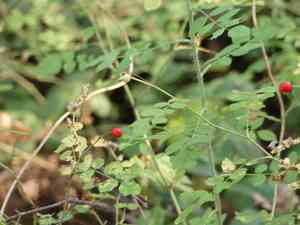
Dwarf rose (Rosa gymnocarpa)
Also known as: Dwarf Wild Rose, Wood rose, Little Wild Rose
The shrub you're referring to is the Dwarf rose (*Rosa gymnocarpa*). This evergreen shrub grows quickly and attracts birds, bees, butterflies, and caterpillars with its fragrant spring roses, which can be pink, lavender, purple, or red. It thrives in a range of light conditions, from full sun to shade, and is frost-tolerant.
In This Article
Attributes of Dwarf rose
Lifespan
Perennial
Plant Type
Shrub
Plant Height
30 cm to 1.5 m
Spread
1.8 m to 2.5 m
Leaf Color
Green
Flower Size
2.5 cm to 4 cm
Flower Color
Pink Purple Red
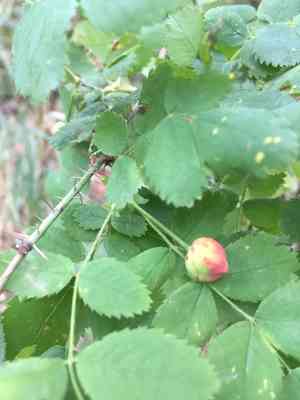
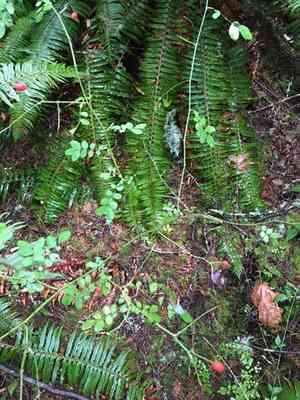
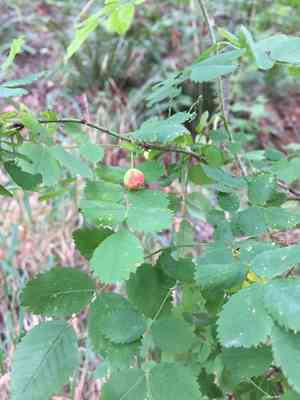
Images of Dwarf rose
Quickly Identify Dwarf rose
1
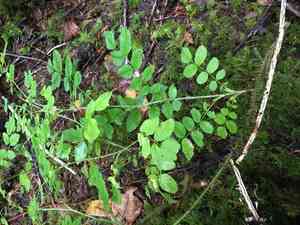
To identify Rosa gymnocarpa, look for a small rose shrub up to 1.5 meters tall with compound leaves composed of 5-9 leaflets. The flowers are typically pink, about 2-3 cm in diameter, and have a sweet fragrance. The hips are smooth and purplish, without the hairy covering found on most rose hips.
Scientific Classification of Dwarf rose
Phylum
Vascular plants
Class
Dicotyledons
Order
Rosales
Family
Rose
Genus
Roses
Species
Dwarf rose
Planting and Growing of Dwarf rose
Care Difficulty
Easy
Watering Schedule
Every 2 days
Sunlight Requirements
Partial sun
Sunshine Duration
6-10 hours
Ideal Temperature
60-75℉
Soil Type
Potting Mix, Peat Mix
Soil pH
5.5-7
Fertilizer Type
Balanced
Pruning Season
Spring, Summer
Pruning Area
Branches, Leaves
Pruning Frequency
2 times a year
Repotting Season
Spring
Pot Type
Plastic, Ceramic
 How to Water Dwarf rose?
Rosa gymnocarpa, also known as the Baldhip Rose, prefers moderate watering. Watering should be thorough but not excessive, approximately 500 ml per session, ensuring the soil is evenly moist but not soaking wet. This approach mimics its natural habitat where the plant receives adequate hydration without waterlogging.
What are the symptoms of an underwatered Dwarf rose?
›
What should I do if my Dwarf rose is not getting enough water?
›
What are the symptoms of an overwatered Dwarf rose?
›
How to save an overwatered Dwarf rose?
›
 What Are the Sunlight Requirements for Dwarf rose?
Rosa gymnocarpa prefers partial shade to full shade. Ideal light conditions will enhance its growth, prevent leaf burn, and foster vibrant blooms, ensuring a thriving plant.
More About Sunlight Requirements Techniques→
How much light does Rosa gymnocarpa need?
›
What are the best solutions to achieve ideal lighting for this plant?
›
What benefits come from giving Rosa gymnocarpa ideal lighting?
›
 What Is the Ideal Temperature Range for Dwarf rose?
Rosa gymnocarpa thrives best in environments where the temperature ranges between 60°F to 75°F. This range supports optimal photosynthesis and growth rates while minimizing stress on the plant. Maintaining this range ensures robust flowering and healthy foliage.
 What Soil is Best for Dwarf rose?
Rosa gymnocarpa thrives in well-drained soil that prevents waterlogging. Proper drainage is crucial to avoid root rot and to ensure healthy growth. This enables roots to access air and nutrients effectively. This rose species prefers soil with moderate fertility. Excessive nutrients can lead to lush foliage with fewer blooms, so balanced nutrient levels support optimal flowering without overly vigorous growth. A soil that retains moisture while not being overly saturated is ideal for Rosa gymnocarpa. Consistent moisture helps in maintaining turgor pressure, essential for the plant’s vigor and healthy appearance.
 How to Fertilize Dwarf rose?
Rosa gymnocarpa prefers a balanced approach to fertilization. When using liquid fertilizers, ensure to dilute them to half the strength recommended on the package to prevent root burn. For slow-release fertilizers, apply a small handful per plant, evenly spaced around the root zone, to encourage even nutrient uptake throughout the growing season.
 How to Prune Dwarf rose?
Ensure you have sharp and clean pruning shears, gloves to protect your hands, and if necessary, a small saw for thicker branches. Using the correct tools makes clean cuts which heal faster and reduce the risk of plant diseases. Begin by removing dead, damaged, or diseased wood thoroughly as these can harbor pests and diseases. Look for any crossing branches that might rub and create wounds, and thin out the center of the plant to allow for better air circulation.
More About Pruning Techniques→
 How to Propagate Dwarf rose plant?
1
Choose healthy and disease-free branches from the parent Rosa gymnocarpa plant. This ensures that your cuttings or seeds are capable of developing into robust plants.
2
Using pruning shears, cut a section of about 6-8 inches from a mature yet flexible stem. Ensure to include a few leaves and nodes, as these are vital for root formation and photosynthesis.
3
Bend a low hanging branch to the ground and cover part of it with soil while securing it with a pin or stone. Over time, roots will form and the new plant can be severed from the parent.
 How to Repot Dwarf rose plant?
1
Rosa gymnocarpa requires repotting when you notice roots emerging from the drainage holes, slow growth, or poor water retention in the soil. These signs indicate that the plant's root system has expanded and needs more space to thrive.
2
Select a pot that is one size larger than the current one, with ample drainage holes. A proper-sized pot prevents overwatering and provides enough room for root expansion which is crucial for the plant's healthy growth and flowers.
3
Opt for a well-draining, organic-rich soil mix suitable for roses. Such soil provides essential nutrients and allows air circulation around the roots, preventing rot and promoting robust growth.
Learn More About Dwarf rose Diseases
Anthracnose
Bacterial Leaf Spot
Black Spot
Chemical Injury
Crown Gall
Damping-off
Downy Mildew
Drought Stress
Fusarium Wilt
Gray Mold
Leaf Curl
Leaf Spot
Mosaic
Nutrient Deficiency
Nutrient Toxicity
Powdery Mildew
Root Rot
Root-knot Nematode
Rusts
Sooty Mold
Spider Mites
Temperature Stress
Thrips Damage



