How to Prune Dwarf rose?
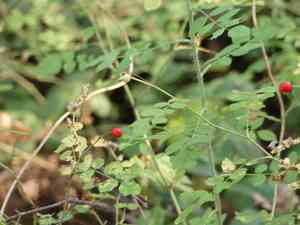
This small, untamed rose variety flourishes with careful trimming to preserve its form and enhance air circulation. Trim dwarf rose during late winter or early spring, prior to the emergence of new shoots. Eliminate any lifeless or ailing wood, reduce congested branches, and shorten excessive growth. Trimming stimulates flowering and fosters a strong, dense structure. Sanitize implements after each cut to avert the dissemination of pathogens. Consistent trimming guarantees a thriving, lively plant with ongoing floral presentations.
Advantages of Trimming Dwarf Rose?
Advantages of Trimming Dwarf Rose?
Trimming dwarf rose promotes more abundant flowering, stimulates vigorous development, and helps maintain its desired form, ensuring the plant's compact elegance is preserved while optimizing its overall health.
Optimal Period for Pruning Dwarf Rose?
Optimal Period for Pruning Dwarf Rose?
Pruning or trimming dwarf rose is best performed in late winter or early spring because during these periods, the plant is typically in its dormant state. Trimming before new growth begins helps prevent the plant from expending energy on branches that will be removed. This timing also ensures that pruning wounds heal quickly without stressing the plant, reducing the risk of disease and pest entry. Pruning in late winter just before spring growth starts allows gardeners to shape the plant effectively and encourages a burst of new growth that will bear flowers. Since dwarf rose blooms on the current year's growth, this timing optimizes the flowering potential without removing buds set the previous season. This schedule helps maintain the health, vigor, and aesthetic shape of dwarf rose, ensuring it continues to grow and bloom effectively within its growth cycle.
Required Tools for Pruning Dwarf Rose?
Bypass Pruners
Perfect for making clean cuts on dwarf rose's smaller stems due to their curved, scissor-like action, which encourages healthy regrowth.
Pruning Saw
Essential for cutting through dwarf rose's thicker branches that exceed half an inch in diameter, which bypass pruners cannot manage.
Long-Handled Loppers
Offer extended reach and leverage, which can be useful for accessing dwarf rose's higher branches without harming the plant structure.
Gloves
Crucial for protecting hands from dwarf rose's thorns during the pruning process.
Pruning Sealer
Optional for sealing larger cuts on dwarf rose to prevent disease and promote faster healing.
How to Prune Dwarf Rose
Clean tools
Before beginning, sterilize pruning shears with alcohol to prevent the spread of diseases to dwarf rose.
Remove diseased material
Cut away any diseased leaves and branches from dwarf rose by making clean cuts at a 45-degree angle a few millimeters above a healthy bud or well into healthy wood to eliminate all diseased tissues.
Eliminate dead material
Remove all dead branches, withered leaves, and withered flowers from dwarf rose to promote healthy growth and better airflow, cutting back to a healthy part of the stem or branch.
Thinning
Thin out dwarf rose by selectively cutting back crowded branches to a main stem or outward facing bud, which encourages light penetration and air circulation.
Shape plant
Shape dwarf rose by trimming any long, unruly branches to maintain its natural form, ensuring the overall appearance is balanced and aesthetically pleasing.
Common Pruning Errors with Dwarf Rose
Over-pruning
Removing too much growth in one session can stress dwarf rose, hindering its overall health and ability to flower.
Improper cuts
Making cuts that are jagged or at improper angles can create entry points for disease and pests.
Neglecting tools
Not using clean, sharp pruning tools can damage dwarf rose's branches and increase the risk of infection.
Pruning live wood
Unnecessary cutting of healthy, live wood can reduce dwarf rose's vigor and flower production.
Common Pruning Advice for Dwarf Rose
Selective thinning
Remove only the most crowded branches to improve air circulation and light penetration, which are essential for dwarf rose's health.
Cutting angle
Make cuts at a 45-degree angle, about 1/4 inch above an outward-facing bud to encourage outward growth.
Rejuvenation pruning
For older dwarf rose plants, occasionally remove older canes to ground level to encourage new, more vigorous growth.
Deadheading
Regularly remove spent flowers to promote continuous blooming throughout the growing season.



