How to Transplant California wildrose?
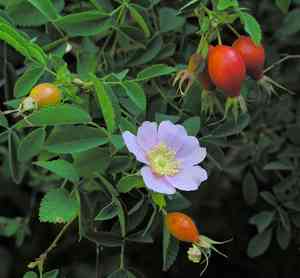
The optimal period for transplanting california wildrose is during the revitalizing warmth of early to mid-spring, allowing sufficient time for root development prior to summer. Select a location that receives abundant sunlight and possesses well-draining earth. For superior results, ensure consistent hydration following the move, yet prevent excessive saturation.
What Preparations are Needed Before Transplanting California Wildrose?
What is the Ideal Time for Transplanting California Wildrose?
The best time to move california wildrose is at the start of spring, typically early to mid-spring. This timing allows the strong roots of california wildrose to settle in mild weather, benefiting from soil moisture and cooler temperatures that support growth. Moving california wildrose as spring begins not only takes advantage of longer daylight but also aligns with its natural growth cycle, leading to vigorous development. Choose this period of renewal for transplanting to give california wildrose a strong start in its new spot!
How Much Space Should You Leave Between California Wildrose Plants?
When transplanting your california wildrose, position each plant 5-6 feet (1.5-1.8 meters) apart. This provides ample room for growth and encourages better air circulation, which contributes to the plant's health.
What is the Best Soil Mix for California Wildrose Transplanting?
Prepare the soil for your california wildrose by using a loamy, well-draining mix. To give your plants a good start, incorporate a slow-release granular fertilizer before planting.
Where Should You Relocate Your California Wildrose?
Select a sunny or partially shaded spot to transplant your california wildrose. This plant thrives in sunlight but can tolerate some afternoon shade. Ensure the chosen location receives 6-8 hours of sunlight daily.
What Equipments Should You Prepare Before Transplantation California Wildrose?
Gardening Gloves
To safeguard your hands from any thorns on the california wildrose and when handling soil.
Shovel or Spade
These are necessary for digging the new planting hole and for lifting the california wildrose from its original spot.
Garden Trowel
Useful for gently loosening the soil around the roots during the removal process.
Larger Container or a Wheelbarrow
These tools can assist in transporting the california wildrose plant from one place to another.
Organic Mulch
This is needed to cover the soil after transplanting, which helps retain moisture.
Gardening Fork
To carefully loosen the soil beneath the root ball.
Watering Can or Hose
They are used to water the california wildrose during and after transplantation.
How Do You Remove California Wildrose from the Soil?
How Do You Remove California Wildrose from the Soil?
From Ground: Start by watering the california wildrose to moisten the soil. This makes removal easier without harming the root system. Next, dig a circle around the california wildrose using a fork or shovel, remembering that a wider circle preserves more of the root system. Carefully work a spade under the root ball to lift the plant from its initial location. From Pot or Seedling Tray: Water the pot thoroughly before removing the plant; this will simplify the process. Tip the pot sideways, hold the california wildrose at its base, and gently pull. If it doesn't slide out, tap the sides or bottom of the pot to loosen the soil and root mass.
Step-by-Step Guide for Transplanting California Wildrose
Preparation
Water the california wildrose thoroughly before starting the transplanting process. This will minimize stress on the plant during the procedure.
Digging a Hole
Excavate a hole that is twice as wide and as deep as the root ball of the california wildrose.
Placing the Plant
Position the california wildrose in the hole, ensuring the top of the root ball is level with the soil surface. Avoid planting california wildrose too deeply, as this can lead to root rot.
Backfilling the Hole
Refill the hole with soil, gently firming it around the base of the california wildrose to eliminate any air pockets.
Watering
Water the california wildrose thoroughly after planting to help settle the soil. Use a soft spray to prevent washing away the soil.
How Do You Care For California Wildrose After Transplanting?
Mulching
Apply a layer of organic mulch around the california wildrose to help retain soil moisture and suppress weeds.
Providing Support
If the california wildrose is tall or fragile, it may initially require staking for support. This protects it from strong winds or heavy rain.
Regular Care
Closely observe the california wildrose for the first few weeks. Look for signs of stress such as wilting leaves or a lack of new growth.
Pruning
If the california wildrose shows signs of stress, consider pruning to reduce the amount of plant material the roots need to sustain.
Troubleshooting Common Issues with California Wildrose Transplantation.
What's the prime time to transplant california wildrose?
The ideal transplanting period for california wildrose is from S1 to S2. This is when the plant is dormant, promising the best recovery after transplant.
What is the right spacing for california wildrose during transplanting?
When transplanting california wildrose, ensure they are spaced approximately 5-6 feet (1.5 -1.8 meters) apart. This spacing prevents overcrowding and encourages healthy growth.
Why are my transplanted california wildrose plants wilting?
Wilting indicates that california wildrose might not be getting enough water. After transplant, ensure you water sufficiently to keep the soil consistently moist but not waterlogged.
What type of soil is suitable for california wildrose transplanting?
California wildrose thrives best in well-drained, fertile soils. While they can tolerate various soil types, they prefer slightly acidic to neutral pH levels.
Can I transplant california wildrose in the shade?
California wildrose prefers sunny locations. If transplanted in the shade, it can survive but will not bloom as profusely. Aim for a balance of sun and shade.
Why are my transplanted california wildrose plants not flowering?
Poor flowering could be due to insufficient sunlight or incorrect transplant season. Ensure adequate sun exposure and transplant during S1-S2 for optimal blooms.
What special care should I take when transplanting california wildrose?
When transplanting california wildrose, minimize root disturbance, water thoroughly after transplanting, and maintain an optimal spacing of about 5-6 feet (1.5 -1.8 meters).
Should I prune california wildrose while transplanting?
Pruning is not essential during transplanting. However, you can remove dead or unhealthy branches to ensure a smoother plant transition.
How deep should I plant california wildrose while transplanting?
Dig a hole twice the width of california wildrose's root ball but no deeper than its height. This provides ample space for the roots to spread.
Are there any pests or diseases I should watch for after transplanting california wildrose?
California wildrose is generally resistant to serious pests and diseases. However, monitor for common issues like powdery mildew and aphids, especially after transplanting.



