How to Prune California wildrose?
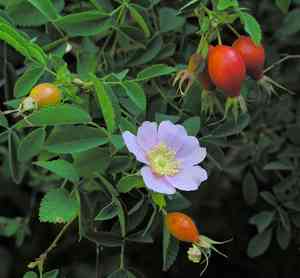
The california wildrose, a indigenous shrub recognized for its aromatic pink blossoms and gracefully arching branches, greatly thrives with appropriate trimming. Essential methods involve removing aged wood to stimulate fresh development and sculpting the plant for a neat aesthetic. The most effective time for pruning is in late winter to early spring, preferably right before new shoots emerge. For california wildrose, it's crucial to avoid excessive pruning, as this can diminish its floral display. Pruning not only sustains the plant's health and vitality but also accentuates its inherent form.
Advantages of Trimming California Wildrose
Advantages of Trimming California Wildrose
Trimming california wildrose is crucial for promoting a more abundant flowering season, maintaining an appealing form, and stimulating robust growth by eliminating dead or diseased wood, thereby enhancing the plant's overall vitality.
Optimal Time for Trimming California Wildrose
Optimal Time for Trimming California Wildrose
Trimming california wildrose in late winter or early spring can encourage strong, healthy new growth as the plant emerges from dormancy. This timing allows for the removal of any dead or damaged wood before the plant's rapid spring growth phase. Furthermore, since california wildrose flowers on new wood, pruning during these seasons ensures that its blooming potential is not diminished. Late winter pruning also facilitates quick wound healing without the risk of frost damage. Pruning before dormancy aids in better resource allocation, leading to more vigorous foliage and a prolific bloom season.
Required Tools for Trimming California Wildrose
Bypass Pruners
Perfect for making clean, precise cuts on the live stems of california wildrose. Bypass pruners operate like scissors, reducing the likelihood of crushing stems and promoting healthier regrowth.
Loppers
Suitable for cutting thicker stems and branches of california wildrose that are too large for bypass pruners. Their long handles provide increased leverage for cleaner, easier cuts on mature wood.
Pruning Saw
Essential for removing old, dead, or exceptionally thick branches that exceed the capacity of loppers. A pruning saw enables effective management of california wildrose's size and shape without causing damage.
Gloves
Protective gloves are indispensable when trimming california wildrose to prevent injury from thorns. They should be durable and allow for good dexterity while using pruning tools.
Pruning Shears
For light trimming and shaping of california wildrose, especially for deadheading spent blooms to encourage continuous flowering throughout the growing season.
Disinfectant
To prevent disease transmission, it is vital to clean cutting blades with disinfectant between cuts, particularly when moving from an infected area to a healthy one.
How to Trim California Wildrose
Assessment
Carefully examine california wildrose to identify diseased leaves, withered leaves, dead branches, diseased branches, and spent flowers.
Sanitation
Using disinfected, sharp pruning shears, begin by gently removing any diseased and withered leaves from california wildrose to prevent disease spread.
Deadwood Removal
Trim dead branches from california wildrose by cutting at a 45-degree angle, approximately 1/4 inch above a healthy outward-facing bud or another branch junction to encourage healthy growth.
Healthy Cuts
Remove any diseased branches from california wildrose by making cuts into healthy tissue below the affected areas to ensure diseases do not persist.
Rejuvenation
Cut back withered flowers on california wildrose to just above the first set of healthy leaves to encourage repeat blooming and prevent the plant from expending energy on seed production.
Common Trimming Errors with California Wildrose
Excessive Pruning
Removing too much foliage from california wildrose can stress the plant, weaken its structure, and reduce its blooms. Aim to remove no more than one-third of the overall growth to maintain the plant's health and vigor.
Cutting Too Close
Cutting branches too close to the main stems of california wildrose can damage the collar or create wounds susceptible to pests and diseases. Ensure a short stub of a few millimeters is left when removing branches.
Leaving Too Much
Leaving too long of a stub when cutting can lead to deadwood and potential entry points for disease. Make clean cuts at a 45-degree angle above outward-facing buds.
Uneven Cuts
Making jagged or uneven cuts can harm california wildrose by hindering proper healing and making the plant more vulnerable to disease. Use sharp pruning tools for clean cuts.
Ignoring Diseased Wood
Failing to remove dead, diseased, or damaged wood can lead to further deterioration of california wildrose's health. Always prune away this material to promote healthy growth and reduce the risk of disease spread.
Pruning Without Disinfecting
Not disinfecting pruning tools between cuts, especially when removing diseased material, can spread pathogens to healthy parts of california wildrose or to other plants. Clean tools with a solution of bleach or alcohol before moving to another area.
Neglecting Shape
Ignoring the natural shape of california wildrose during pruning can result in a less aesthetically pleasing and potentially unhealthy plant. Prune to enhance the plant's natural form and encourage airflow.
General Trimming Advice for California Wildrose
Sharp Tools
Use sharp, clean pruning shears or loppers for california wildrose. This ensures precise cuts that heal quickly, minimizing the risk of disease.
Cut Angle
Make cuts at a 45-degree angle for california wildrose, about 1/4 inch above an outward-facing bud or leaf node. This promotes outward growth, improving air circulation and shaping the plant.
Canes Removal
Identify and remove any canes that are dead, diseased, or damaged to maintain the health of california wildrose. Also, remove any canes that are crossing or rubbing against others to prevent damage and disease.
Thin Center
Thin out the center of california wildrose to allow more light and air to penetrate the middle of the plant, which helps prevent fungal diseases and promotes vigorous growth.
Bottom Up
Start trimming california wildrose from the base and work upwards, focusing first on the oldest and least productive canes. This encourages the growth of new, healthy canes from the base.
Moderate Pruning
While shaping california wildrose, aim to strike a balance between maintenance and allowing the plant to grow naturally. Moderate pruning encourages more blooms and maintains plant health without overdoing it.
Tool Maintenance
Regularly maintain and disinfect your pruning tools to reduce the spread of diseases in california wildrose. Clean your tools with alcohol or a household disinfectant after each use.



