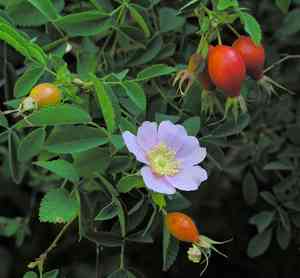
California wildrose (Rosa californica)
Also known as: California Wild Rose, California Rose
The shrub you're thinking of is likely the California lilac (Ceanothus spp.), a fragrant flowering plant native to the northwestern United States and California. Known for its vibrant blue or purple flower clusters, this ornamental shrub is admired for its beauty and its resilience in drought conditions. It thrives in well-drained soils and is a popular choice for water-efficient gardens.
In This Article
Attributes of California wildrose
Lifespan
Perennial
Plant Type
Shrub
Plant Height
2 m
Spread
1.8 m to 3 m
Leaf Color
Green
Flower Size
4 cm
Flower Color
White Pink Red
Images of California wildrose
Quickly Identify California wildrose
1
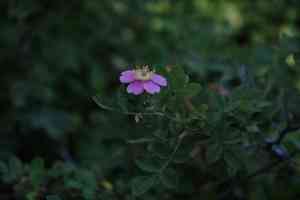
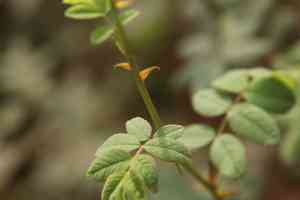
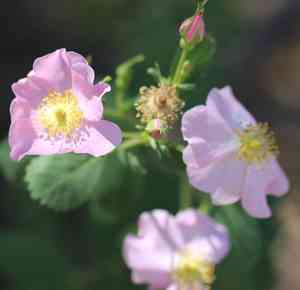
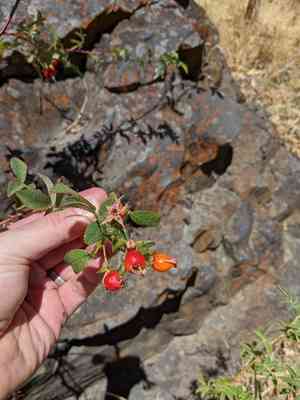
Rosa californica can be identified by its compound leaves that are pinnate with 5-9 leaflets, single pink flowers, and red hip fruits. The plant also features prickles along its stems.
Scientific Classification of California wildrose
Phylum
Vascular plants
Class
Dicotyledons
Order
Rosales
Family
Rose
Genus
Roses
Species
California wildrose
Planting and Growing of California wildrose
Care Difficulty
Easy
Watering Schedule
Every 4 days
Sunlight Requirements
Full sun
Sunshine Duration
4-6 hours
Ideal Temperature
60-75℉
Soil Type
Potting Mix, Peat Mix
Soil pH
6.5-7.5
Fertilizer Type
Balanced
Pruning Season
Spring, Summer
Pruning Area
Branches, Leaves
Pruning Frequency
2 times a year
Repotting Season
Spring
Pot Type
Ceramic, Plastic
 How to Water California wildrose?
For Rosa californica, the watering principle is to ensure the soil remains consistently moist but not waterlogged. Water until the top inch of soil is thoroughly soaked, which should take approximately 500 milliliters of water per session.
What are the symptoms of an underwatered California wildrose?
›
What should I do if my California wildrose is not getting enough water?
›
What are the symptoms of an overwatered California wildrose?
›
How to save an overwatered California wildrose?
›
 What Are the Sunlight Requirements for California wildrose?
Rosa californica thrives in full to partial sun environments. This lighting ensures the production of healthy foliage and abundant flowers, contributing to the plant's overall visual appeal and vitality in gardens.
More About Sunlight Requirements Techniques→
What is the best type of sunlight for Rosa californica?
›
How can I ensure Rosa californica gets sufficient light?
›
What benefits does ideal light provide to Rosa californica?
›
 What Is the Ideal Temperature Range for California wildrose?
Rosa californica thrives best within a temperature range of 60°F to 75°F. This range provides an optimal environment for the rose's metabolic processes, promoting healthy growth and abundant flowering. Consistent temperatures in this range help ensure that the plant's cellular activities and physiological functions operate efficiently, fostering resilience against pests and diseases.
 What Soil is Best for California wildrose?
Rosa californica thrives in soil that drains well, preventing waterlogging which can lead to root rot. A well-drained soil supports healthy root growth and promotes the plant's ability to absorb nutrients efficiently. This rose prefers fertile soil, rich in organic matter, which enhances plant growth by providing essential nutrients. Fertility improves the plant's bloom quality and ensures vibrant foliage. Maintaining consistent moisture levels is key for Rosa californica, as it is not drought-tolerant. Moist soil conditions help sustain the plant during dry spells and promote lush growth.
 How to Fertilize California wildrose?
When fertilizing Rosa californica, apply a balanced liquid fertilizer at half the manufacturer's recommended strength. This ensures the plant receives the nutrients it needs without overwhelming its roots, which can be sensitive to excessive feeding. A good rule is 1 tablespoon per gallon of water during the growing season.
 How to Prune California wildrose?
Begin by identifying and cutting back any dead or diseased branches down to their base. This prevents the spread of disease and opens up the plant to more air circulation. Shape the Rosa californica by selectively cutting back overgrown shoots to maintain its naturally arching form. This allows light to penetrate the inner parts, stimulating more vigorous blooming. If size is an issue, reduce the height by pruning the tallest canes by up to one-third. This helps manage the size of the bush without adversely affecting flowering potential.
More About Pruning Techniques→
 How to Propagate California wildrose plant?
1
Collect seeds from mature Rosa californica hips once they are ripe. It is important to allow the hips to fully mature on the plant to ensure that the seeds within are fully developed.
2
Take cuttings from healthy, disease-free stems during early spring. Cut sections around 6-8 inches long just below a node, and remove any flowers, buds, or leaves from the lower half.
3
For division, carefully dig up the plant avoiding root damage. Separate the plant into sections ensuring each has a good portion of roots, and replant immediately in a prepared area.
 How to Repot California wildrose plant?
1
Repotting Rosa californica is necessary when you notice roots emerging from the drainage holes or the plant appears to be root-bound. Early spring or fall is ideal for disturbing the plant the least, allowing for ample recovery time.
2
Selecting an appropriate pot for Rosa californica involves picking one with drainage holes that is slightly larger than the current pot. This prevents waterlogging and ensures room for root growth, promoting healthy development.
3
Use a loamy, well-drained soil mix for repotting. This type of soil holds sufficient moisture while preventing excess water retention, reducing the risk of root rot and providing an optimal growing environment.



