How Much Sunlight Do California wildrose Need?
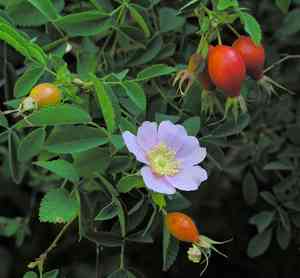
1
California wildrose flourishes optimally with over six hours of direct sun each day.
2
California wildrose can endure some shade, though full sun exposure is preferable.
3
Adequate light promotes vigorous blooms and overall plant vitality.
The Importance of Sunlight for California Wildrose
Photosynthesis and Development
Sunlight serves as the primary energy source for California wildrose. Through photosynthesis, the plant utilizes solar energy to convert carbon dioxide and water into glucose and oxygen. This glucose fuels growth and acts as a fundamental building block. Consequently, sufficient sunlight directly leads to robust development and overall health for your California wildrose.
Blooming and Reproduction
For California wildrose, sunlight is vital for blooming and reproduction. Adequate light ensures the production of abundant and vibrant flowers. These blossoms are crucial not only for the plant's reproductive cycle but also for their aesthetic appeal. A well-illuminated spot will allow your wildrose to flower optimally, attracting beneficial pollinators like bees.
Required Sunlight for California Wildrose
Ideal Sunlight Duration
For optimal growth and flowering, California wildrose needs over 6 hours of direct sunlight daily. This period of full sun promotes healthy foliage, strong stems, and a profusion of blooms. While California wildrose can endure partial sun, receiving about 3-6 hours of light, it's best to position it in a full sun location for the most vibrant outcomes.
Seasonal Light Fluctuations
Like all plants, California wildrose experiences seasonal changes in sunlight. During summer, with longer days, the plant benefits from extended periods of full sun, fostering vigorous growth and prolific blooming. In winter, sunlight is less intense and days are shorter, which may slow the wildrose's growth. To compensate, ensure the plant is in the sunniest available spot during colder months.
Optimal Planting Sites for California Wildrose
Selecting the Right Garden Spot
When choosing a location for California wildrose in your garden, select an area that receives ample sunshine throughout the day. An open space, free from tall trees or structures that could cast shadows, is perfect. A south-facing garden or open yard typically provides the most consistent sunlight, ensuring your wildrose gets the energy it needs for healthy growth and blooming.
Daily Sunlight Exposure
Understanding your garden's sunlight exposure pattern can help in correctly positioning your California wildrose. Ensure the plant receives the most intense mid-day and afternoon sun, typically from 10 AM to 4 PM. By monitoring the sunlight throughout the day, you can pinpoint the best spot to maximize exposure.
Signs of Insufficient or Excessive Sunlight in California Wildrose
Symptoms of Light Deficiency
A California wildrose not getting enough sunlight may show several signs. Yellowing leaves, elongated growth, and reduced flowering are common indicators. If you notice your plant's leaves becoming pale or if it appears unusually stretched, it might need more light. Move the plant to a brighter location to resolve these issues.
Symptoms of Light Overexposure
Conversely, too much direct sunlight can also cause problems. Brown, crispy leaves, and scorched spots indicate overexposure. If your California wildrose looks burnt or its leaves have singed edges, consider providing some partial shade during the hottest part of the day, especially in peak summer months.
Adjusting Sunlight Levels for California Wildrose
Utilizing Partial Shade
If your garden's sunlight is too strong, consider using partial shade solutions to protect your California wildrose. Lightly shaded structures or shade cloth can help diffuse harsh sunlight, ensuring the plant still gets sufficient light without the risk of sunburn. Partial shade is particularly useful during scorching summer months when the sun's intensity peaks.
Transplanting Advice
If you need to move your California wildrose to a sunnier location, do so carefully. Transplanting is best done in the early morning or late afternoon when the sun is less intense. Water the plant thoroughly before and after moving it to minimize transplant shock. Gradually acclimating it to its new spot can help reduce stress, ensuring it adapts smoothly to the new light conditions.



