How to Transplant Lady banks's rose?
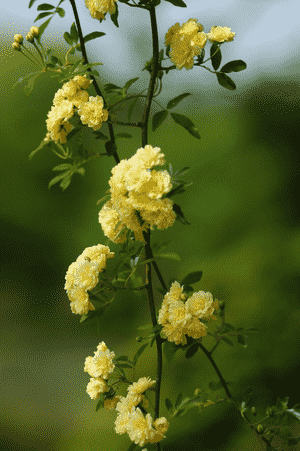
The perfect period for relocating lady banks's rose is during the revitalizing early to mid-spring, which guarantees robust development. Select a site that receives full sun or partial shade and features soil that drains effectively. To achieve optimal outcomes, ensure consistent watering and allocate sufficient room for this attractive perennial.
What Preparations are Needed Before Transplanting Lady Banks's Rose?
What is the Ideal Time for Transplanting Lady Banks's Rose?
The optimal period to relocate lady banks's rose is during the transition from winter cold to spring warmth. Experience shows that performing this in early spring promotes vigorous development. A friendly reminder: do not miss the early-to-mid spring window, as this timeframe offers favorable weather conditions that lady banks's rose will appreciate for a fresh start post-transplantation. Plant at this time for a garden filled with vibrant, healthy lady banks's rose throughout the year.
How Much Space Should You Leave Between Lady Banks's Rose Plants?
For optimal outcomes, position your lady banks's rose plants 6-10 ft (1.8-3 meters) apart. This will provide sufficient room for their branches to expand and create a stunning floral display in your garden!
What is the Best Soil Mix for Lady Banks's Rose Transplanting?
Prepare the soil for your lady banks's rose by incorporating a well-draining soil blend rich in organic matter. Add a foundational fertilizer such as compost or aged manure to enhance nutrients, and ensure the soil pH ranges between 6.0 and 6.5.
Where Should You Relocate Your Lady Banks's Rose?
Select a sunny location in your garden for transplanting lady banks's rose. It flourishes in full sun or partial shade, but guarantee it receives at least 6 hours of daily sunlight for the most vibrant and robust growth!
What Equipments Should You Prepare Before Transplantation Lady Banks's Rose?
Spade or Shovel
These tools are used for excavating the plant from its original spot without harming the root ball.
Gardening Gloves
To safeguard your hands while handling soil and the plant.
Wheelbarrow or Container
For moving the plant from its initial position to the new site. A shallow, wide container is best for lady banks's rose to accommodate its spreading root system.
Watering Can or Hose
For hydrating the plant before and after planting.
Mulch
To aid in moisture retention, suppress weed growth, and maintain a consistent soil temperature following transplantation.
How Do You Remove Lady Banks's Rose from the Soil?
How Do You Remove Lady Banks's Rose from the Soil?
From Ground: Thoroughly water the lady banks's rose plant a day prior to removal to help moisten the soil. Use your spade or shovel to dig a circle around the plant approximately 12 inches deep and wide to ensure the root ball remains intact. Then, gently dig beneath the root ball and lift it, making sure to keep as much soil around the roots as possible.From Pot: If the lady banks's rose is in a pot, water it thoroughly the day before removal. Tilt the pot sideways or upside down while supporting the plant at its base and tap the bottom to dislodge the root ball. Be gentle and avoid pulling or straining the stems.From Seedling Tray: Carefully separate the young lady banks's rose seedlings by gently teasing apart the root ball. It's beneficial to water the tray first to reduce root damage. Cradle the seedling in your hand, ensuring to support the stem and root ball during removal.
Step-by-Step Guide for Transplanting Lady Banks's Rose
Preparation
Prepare the transplanting hole before extracting the lady banks's rose from its initial location. The hole should be twice as wide as the root ball and of equal depth. Loosen the soil at the bottom and sides of the hole for easier root penetration.
Positioning
Place the lady banks's rose in the new hole, ensuring it is level with the surrounding ground to prevent water accumulation. Gently spread out the roots if the plant was grown in a pot.
Backfilling
After positioning the lady banks's rose, fill the hole halfway with native soil. Then, water thoroughly before filling the remaining hole with soil. This helps eliminate air pockets in the soil. Tamp down gently, but do not stomp or heavily compact the soil around the plant.
Mulching
Finally, apply a 2 to 3-inch layer of mulch around the transplanted lady banks's rose, leaving a few inches of space around the stem to prevent rot.
How Do You Care For Lady Banks's Rose After Transplanting?
Watering
Keep the soil around lady banks's rose consistently moist but not waterlogged for the initial weeks following transplantation. This aids in establishing a strong root system.
Pruning
In the early growing seasons, pruning might not be necessary. However, once the plant is established, a light trim to maintain its shape is beneficial.
Pests and Disease
Monitor lady banks's rose for common pests like aphids and signs of diseases such as black spots on leaves. Early detection can help prevent significant impacts on plant health and growth.
Protection from Extreme Weather
Shield lady banks's rose from harsh weather conditions, especially in the first few days after transplanting. This helps the plant acclimate to its new environment.
Troubleshooting Common Issues with Lady Banks's Rose Transplantation.
What's the appropriate time to transplant lady banks's rose?
The ideal period to move lady banks's rose is during early to mid-spring. The fresh, mild weather conditions are perfect for its new growth.
How far apart should I space lady banks's rose during transplantation?
Ensure to provide lady banks's rose with a spacing of approximately 6-10 feet (1.8-3 meters). This allows the plant ample room to spread and develop.
What preparations do I need to make before transplanting lady banks's rose?
Prepare your planting hole with compost and well-draining soil. It should be deep and wide enough for lady banks's rose's root ball, assisting its establishment.
How to properly dig up lady banks's rose for transplantation?
Excavate a wide circle around lady banks's rose, ensuring you do not damage the roots. Aim to keep as much of the root ball intact as possible.
What size should the new hole be for lady banks's rose transplantation?
The new hole should be twice as wide and as deep as lady banks's rose's root ball. This provides roots ample space to spread and establish.
How should I care for lady banks's rose after transplantation?
Provide lady banks's rose with frequent irrigation, but avoid waterlogging. Monitor its development, looking for any signs of transplant shock, such as wilting or yellowing.
Why is my transplanted lady banks's rose wilting or looking unhealthy?
This could be due to transplant shock. Consistent watering, mulching, and protection from severe weather can help lady banks's rose recover.
Should I prune lady banks's rose before or after transplantation?
Wait until the lady banks's rose establishes in its new location before considering pruning, which helps stimulate new growth and maintains the plant's shape.
Can I enrich the soil for lady banks's rose after transplantation?
Absolutely! Mulching and adding compost periodically around lady banks's rose helps improve soil fertility, retain moisture, and keep roots cool.
How does lady banks's rose react to sunlight after transplantation?
Lady banks's rose prefers full sun to partial shade. However, protect it from the intense afternoon sun for the first few weeks post-transplantation.



